
Which Way To Face Fan In Window
Alright, friend, pull up a chair. Got your coffee? Good. Because we need to talk about something profoundly important, yet surprisingly vexing: which way to face that window fan. It’s a summer dilemma as old as, well, fans and windows, right? You’re standing there, fan in hand, sweat beading, and suddenly you’re in a philosophical debate with yourself. In? Out? What’s the magic move?
Seriously, it feels like it shouldn't be that complicated, but here we are. Is it an art? A science? A bit of both, seasoned with a healthy dose of "let's just try it and see"? I'm leaning towards the latter, with a dash of intuition.
Blowing Air IN: The Welcome Wagon
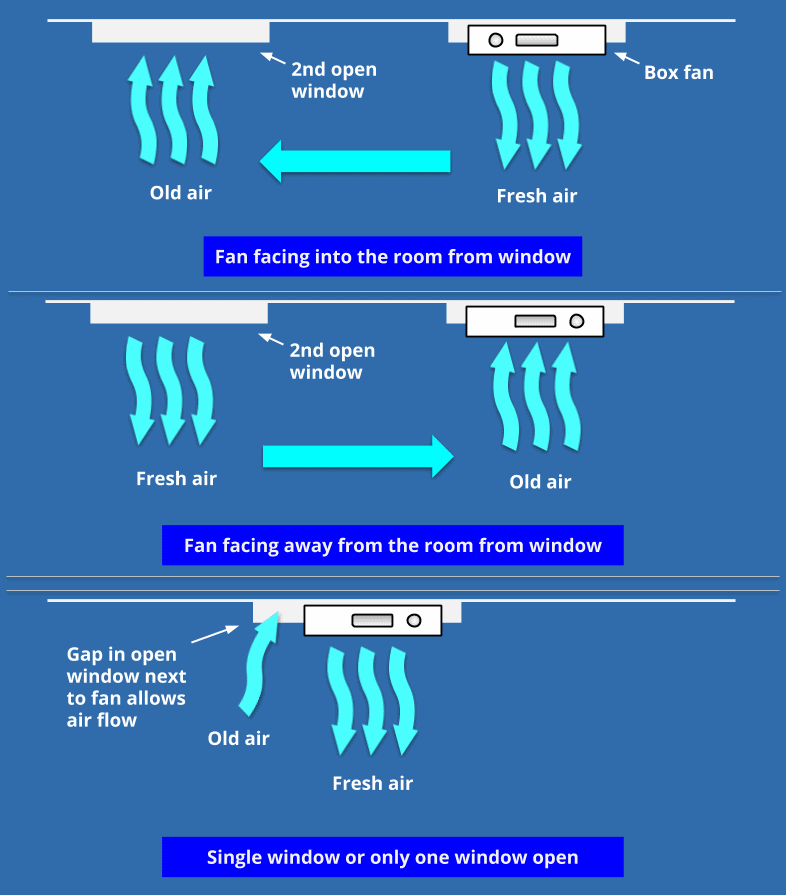
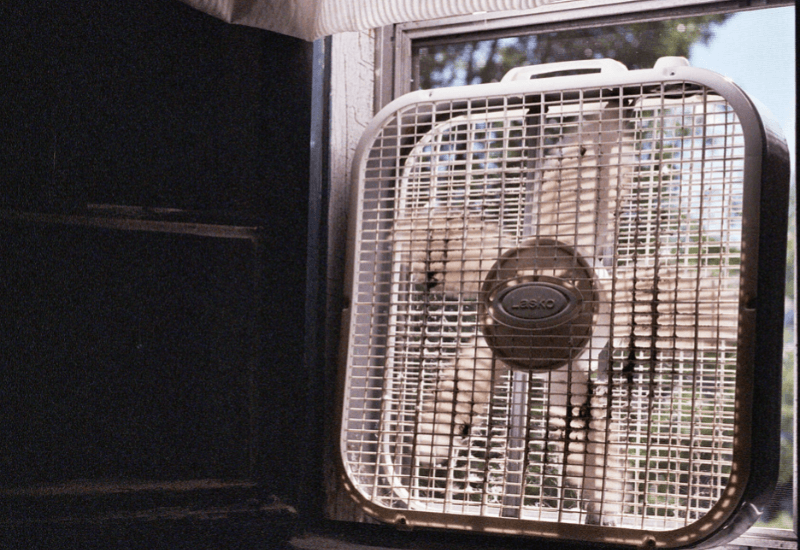
Okay, let's kick things off with the fan facing inward. This is your "bring the outside in" strategy. You plop that fan on the sill, blades angled to scoop up all that lovely external air and whoosh it directly into your room. It’s like your personal wind machine, right?
Must Read
When does this shine? Primarily, when the air outside is cooler than the air inside. Think about those glorious summer evenings! The sun dips, and that sweet, crisp breeze starts to whisper. That's your cue! Set the fan to intake, and let it ferry all that refreshing coolness right into your stuffy abode.
It feels great, doesn't it? Like the room can finally breathe. You get a direct blast of fresh air, which is fantastic for clearing out staleness. Plus, it creates a bit of positive pressure, gently nudging older, warmer air out through other openings. It’s a subtle air exchange, a gentle persuasion.
But, a word to the wise: timing is key here. If you blast air in when it’s still scorching outside, you’re just inviting a convection oven experience. Nobody wants that. You’re literally just pushing hot air around. And, if you're prone to allergies, beware! An intake fan is basically a giant, enthusiastic pollen delivery service.
Blowing Air OUT: The Eviction Notice
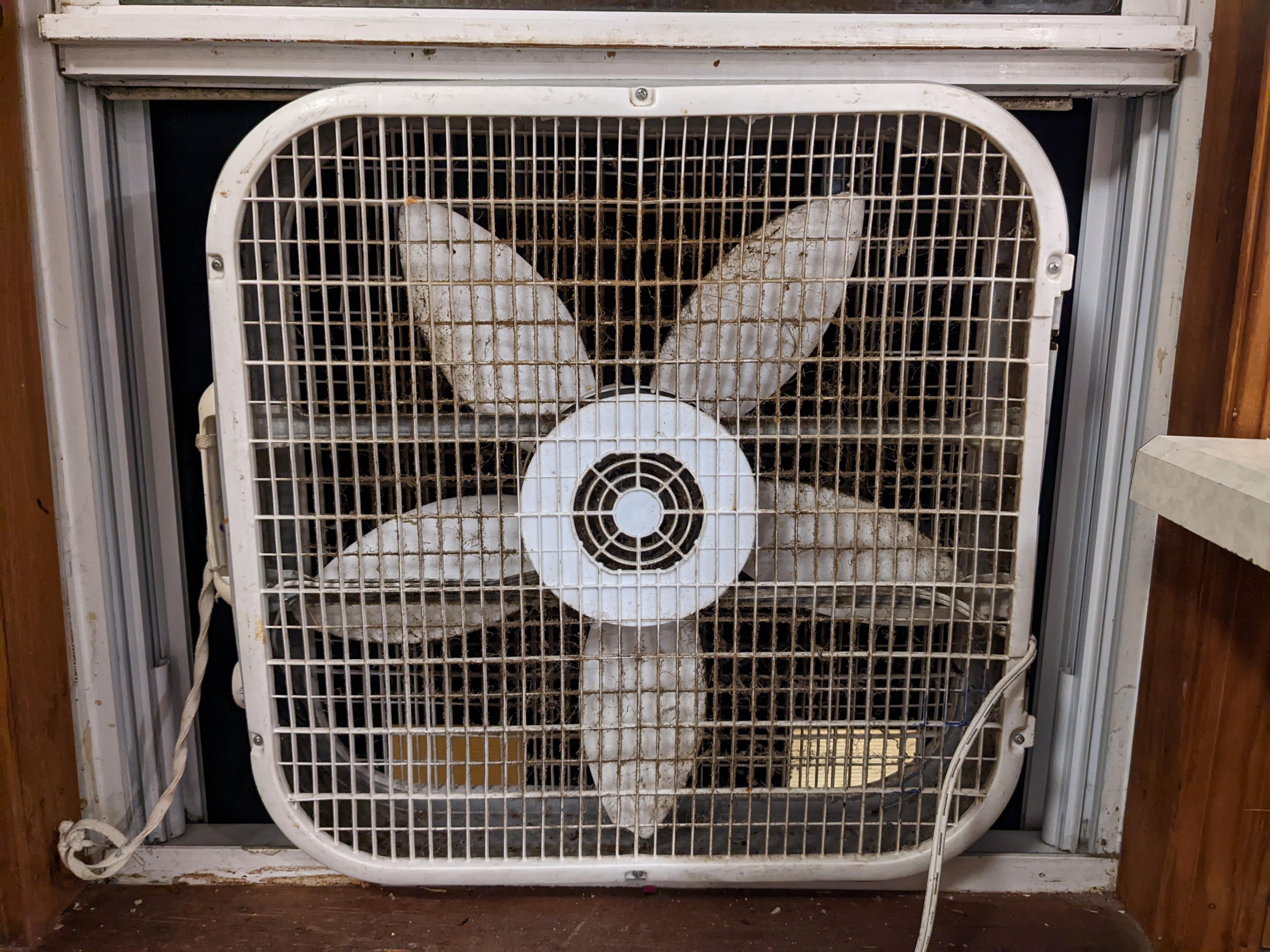
Now, let's flip the script. Imagine that fan turned around, blowing air outward. This is your "get that hot air out of my house, NOW" maneuver. You’re not trying to bring anything in; you’re on a mission to expel. Think of it as your room’s personal bouncer, politely but firmly showing the hot air the door.
This is your go-to move when your house feels like a sauna. During the blazing afternoon, when the sun has been relentlessly baking your walls, the air inside can become thick, stagnant, and just plain oppressive. That's when you aim the fan outward. Its job is to suck all that misery right out of your space, creating a gentle vacuum.
As it pushes hot air out, it creates negative pressure. This then encourages cooler air (hopefully from a shaded side of your house, or another open window) to be drawn in to replace it. It’s a really effective way to remove accumulated heat, odors from cooking, or even that lingering humidity after a long shower. It’s like giving your house a big, deep, exhaling sigh of relief.
The beauty of this method is that you’re actively removing the problem, not just circulating it. It's often the most effective way to cool a room down quickly when the outside temperature is still high. But remember, for it to work its magic, you need to provide some other opening for replacement air to enter. Otherwise, you're just straining the fan against a vacuum.
So, What's the Play? The Grand Strategy!
Okay, so we’ve got our two main players. When do you deploy which one? It’s not about one being inherently "better," it’s about context, my friend. It's all about playing the temperatures!
Hot Daytime Hell? --> EXHAUST!
If it's the middle of the day, and your indoor thermometer is doing a happy dance because it's so warm, face that fan out. Get rid of the heat that's already built up. Seriously, don't try to pull in more hot air. That's just masochistic.

Glorious Evening Cool-Down? --> INTAKE!
As soon as the outdoor temp drops below your indoor temp, usually in the evening or overnight, spin that fan around and face it in. Let that beautiful, refreshing air flood your space. Maximize the natural cooling potential! This is peak comfort-seeking behavior.
The Pro Move: Cross-Ventilation Symphony!
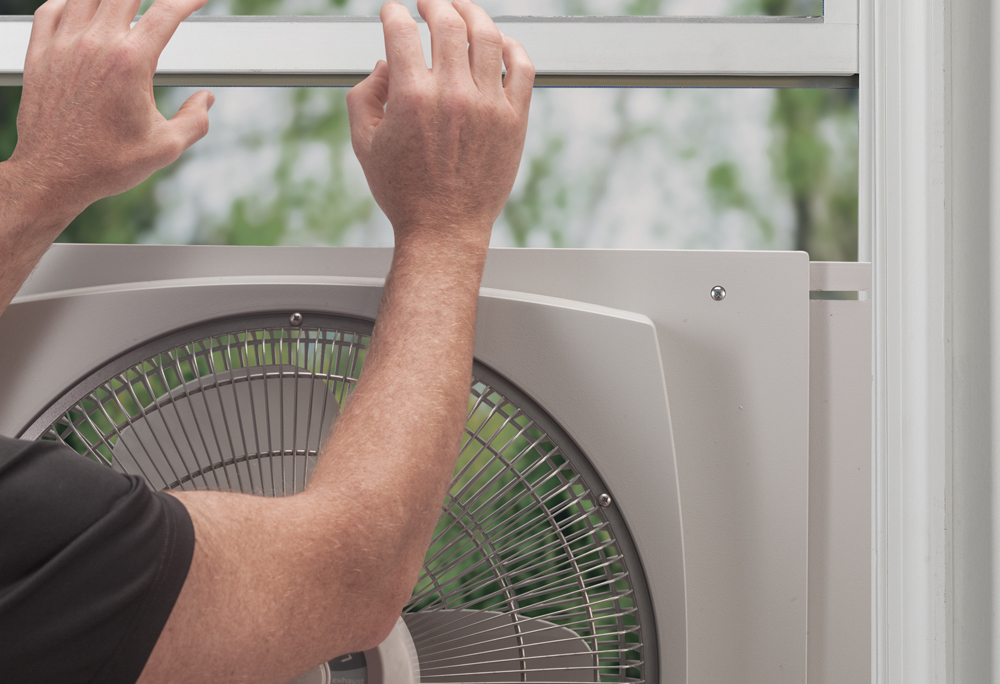
Want to be a true fan-facing guru? Combine them! If you have multiple windows, put an exhaust fan in one window (ideally on the warmest side of the house) and an intake fan in another (on a cooler, perhaps shaded side). This creates a magnificent, powerful airflow. You're actively pulling stale air out while simultaneously pushing fresh air in. It’s a whole-house air change, and it feels absolutely divine. Like your house is breathing with purpose!
Little Tips & Tricks for the Win
A few last thoughts to seal the deal. Always, always open other windows or doors. A fan, whether intake or exhaust, works best when it has partners in crime. It needs an entry point for air or an exit point for air. Otherwise, it's just pushing against a wall, metaphorically speaking.
And hey, don't be afraid to experiment. Your house has its own quirks. What works perfectly for your neighbor might be just "meh" for you. Listen to your intuition. Feel the air. Adjust. It's not brain surgery, it's just finding your personal comfort zone.
So, the next time you're standing there, fan in hand, ponder no more. You're armed with knowledge! Go forth and conquer that summer heat, one perfectly positioned fan at a time. And maybe, just maybe, treat yourself to another coffee for a job well done.