
Which Way Should Your Fan Blow In The Summer
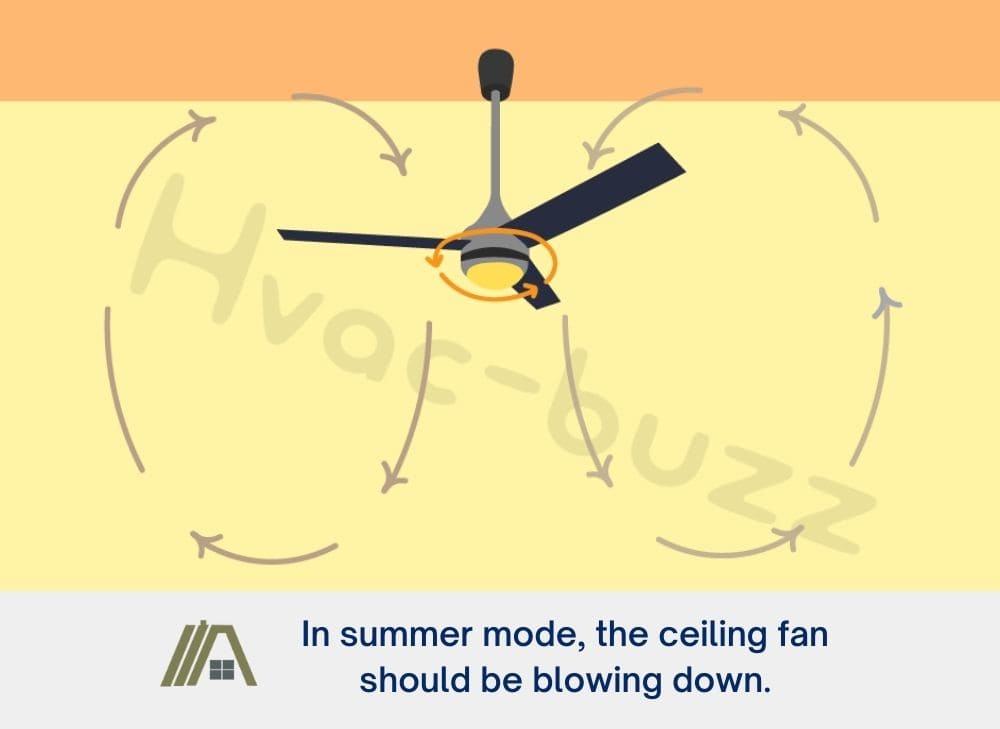
Summer. Ah, summer. The season of sunshine, ice cream, and...intense debates about which way your fan should blow. It's a question that divides households. A topic whispered in hushed tones at barbecues. A veritable fandemic of opinions!
The Conventional Wisdom (and Why It's Wrong)
Everyone knows the answer, right? In the summer, your fan should blow downwards. It pushes cool air around! It creates a refreshing breeze! It's what your dad always did. It's what the internet tells you! Case closed.
Except… I disagree. Vehemently. I think it’s a conspiracy. A lie we’ve all been conditioned to believe. Prepare yourselves, because I'm about to drop a truth bomb so hot, it'll melt your popsicle:
Must Read
Upward airflow is the superior summer fan setting.
Hear Me Out (Before You Unfriend Me)
Okay, okay. I see those skeptical faces. You’re picturing dust bunnies raining from the ceiling. You’re imagining a vortex of swirling chaos. But trust me on this. It's about playing the long game. It's about understanding the subtle art of air circulation.
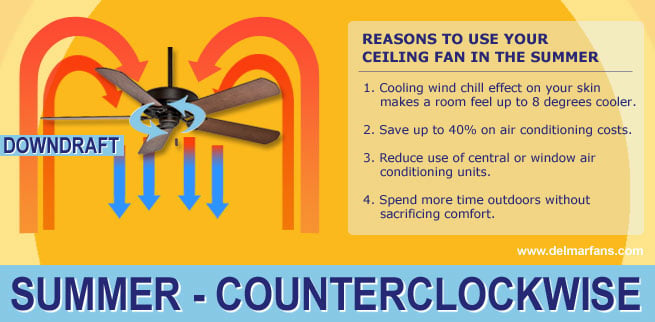
Think about it. Hot air rises, right? It's science! Downward airflow just pushes that hot air around the room. You’re basically living in a convection oven. You might as well just preheat to 350 and throw in a pizza.
But upward airflow? Now we're talking. Upward airflow pulls that hot air up towards the ceiling. It creates a subtle suction that helps to draw cooler air from lower in the room, creating a more consistent temperature throughout.

It’s not about feeling an immediate blast of arctic air. It’s about gently nudging the thermal dynamics in your favor. It's like playing chess with your thermostat. You're thinking several moves ahead.
The "But What About the Breeze?" Argument
Yes, I know. The downward airflow creates a more noticeable breeze. It feels like you're standing in front of a gentle waterfall of coolness. But is that breeze actually cooling you down, or is it just masking the underlying problem of trapped hot air?
Think of it like this: a downward-blowing fan is like putting a bandage on a broken leg. It covers up the problem, but it doesn’t actually fix it. An upward-blowing fan, on the other hand, is like getting the leg set properly. It’s a longer-term solution that addresses the root cause of the discomfort.

Plus, let’s be honest. Sometimes that downward breeze is just too much. It dries out your eyes. It makes your papers fly around. It gives you a constant low-grade headache. Upward airflow is gentler. More sophisticated. More...Zen.
The Unpopular Truth
I know I'm fighting an uphill battle here. The downward-airflow dogma is deeply ingrained in our culture. But I urge you, my friends, to try it. Just once. Set your fan to blow upwards and see what happens. Give it a few hours. Experiment with different speeds. You might be surprised.

You might even join the ranks of the enlightened. The few. The proud. The upward-airflow believers. We are a small but dedicated group. We are the rebels. We are the fan revolutionaries! We are… probably just overthinking this whole thing.
But seriously, try it. You might just find that you prefer it. And if you don't, well, you can always switch it back. No harm done. But at least you'll know that you've dared to question the conventional wisdom. You've dared to fandangle with destiny.
And that, my friends, is something to be proud of.