
Which Way Should The Fan Turn
:max_bytes(150000):strip_icc()/ceiling-fan-rotate-direction-1907533-v4-5ba94e6346e0fb002576cebf.png)
Hey there, comfort-seeker! Ever stood under a ceiling fan, staring up like it holds the secrets to the universe, and wondered, "Which way should this thing actually be spinning?" You're not alone, my friend. It's a question that has plagued homeowners, apartment dwellers, and anyone trying to avoid sweating through their favorite PJs since the dawn of… well, fans!
Let's demystify this whirlwind of confusion. It’s actually pretty simple once you know the trick. Think of your fan as a seasonal shapeshifter, ready to optimize your comfort all year round.
Ceiling Fans: The Original Air Wizards
Your ceiling fan is arguably the most common culprit for this head-scratching dilemma. But fear not, we're about to turn you into a fan-direction guru!
Must Read
Summer Fun: Counter-Clockwise for Coolness!
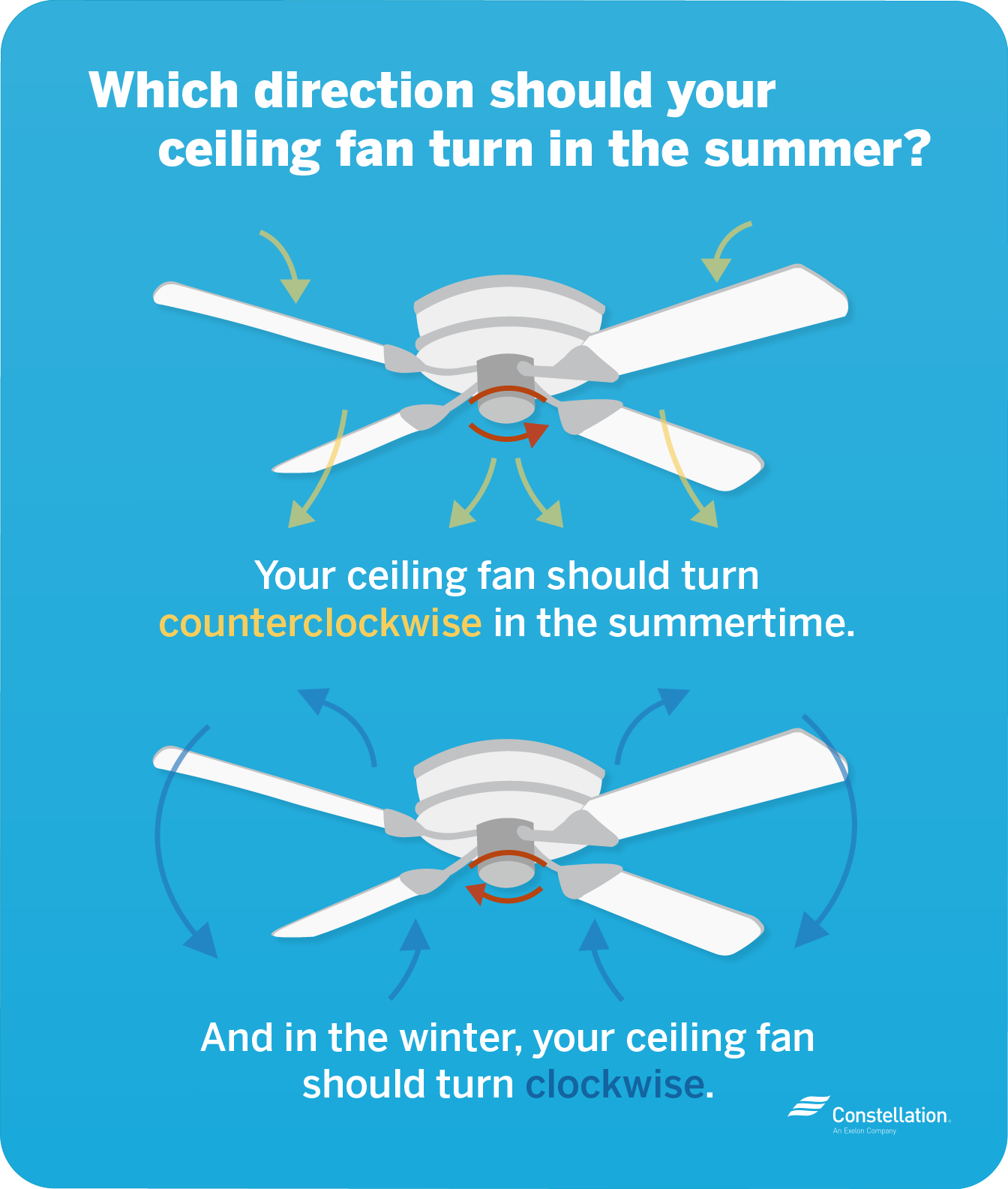
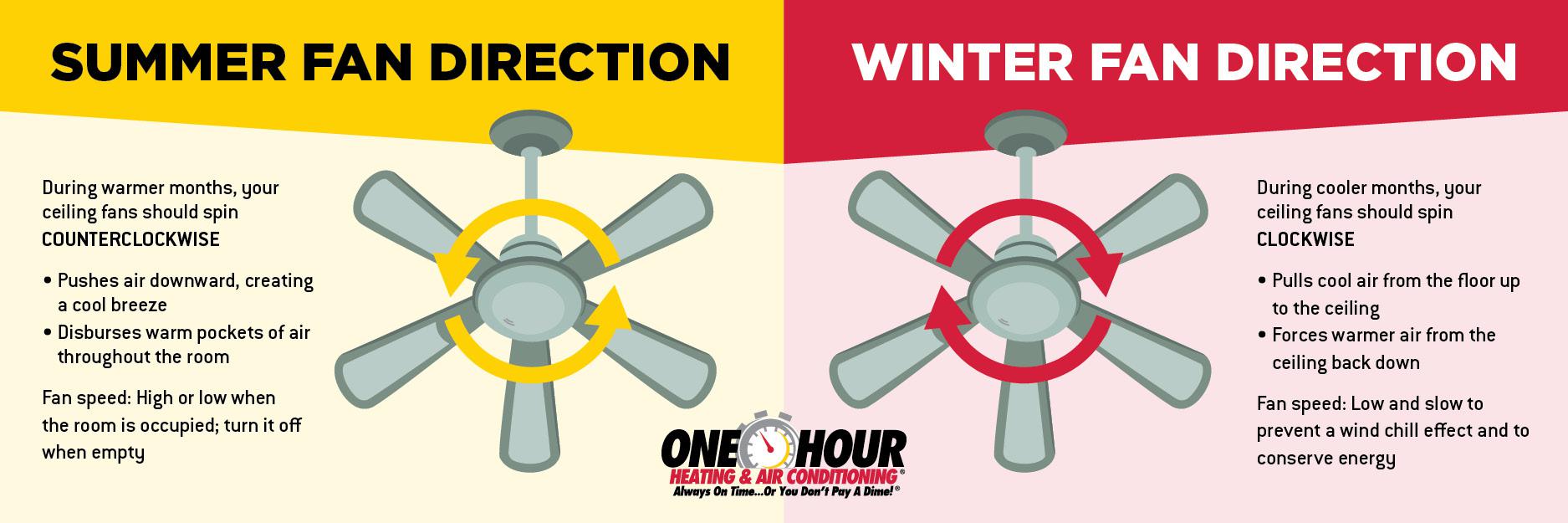
When the sun is blazing and you're dreaming of ice cream, you want your ceiling fan to spin counter-clockwise. Imagine standing underneath it, looking up. The blades should be moving from left to right. Why this particular dance move?
When spinning counter-clockwise, the blades are designed to push air straight down onto you. This creates a lovely little breeze, or what we scientifically call the "wind chill effect." It makes you feel cooler, even if the room temperature hasn't actually dropped. It's like your own personal superhero, creating a cool force field around you! (No capes required, though you're welcome to wear one if it enhances the experience).
![Ceiling Fan Directions for Summer vs Winter [Infographic]](https://airflowacademy.com/wp-content/uploads/2021/06/Ceiling-fan-direction.jpg)
So, during those steamy months, remember: counter-clockwise = cool breeze on your skin!
Winter Warm-Up: Clockwise, But Gentle!
Now, when the leaves are falling and you're reaching for that cozy blanket, your fan has a different job. You want it to spin clockwise. Again, if you're looking up, the blades should be moving from right to left.
When spinning clockwise, the fan gently pulls air up towards the ceiling. This is crucial because hot air naturally rises. By pulling it upwards, your fan helps to circulate that warm air that's been chilling out (pun intended!) at the ceiling and pushes it down along the walls. This creates a subtle updraft that redistributes warmth throughout the room without creating a chilling draft. Think of it as a quiet, unassuming hero, silently spreading coziness.
The key here is to run it on a very slow speed. You don't want a hurricane in your living room; just a gentle, consistent churn. So, for winter comfort: clockwise, slow speed = warm air circulation!
Pro Tip: Most ceiling fans have a little switch on the motor housing (often a tiny toggle) that changes the direction. Don't be afraid to poke around – just make sure the fan is off before you do!
Box Fans & Standing Fans: The Versatile Nomads
These trusty, portable pals are a bit simpler, but their direction still matters for maximum impact.

Direct Cooling: Point it At Ya!
If you're hot and just need a blast of air, well, this one's a no-brainer: point the fan directly at yourself! Let that breezy goodness wash over you. It's the most straightforward way to get immediate relief.
Room Circulation: The Air Traffic Controller
But what if you want to cool down the whole room or get rid of stale air? That's where you become an air traffic controller for your living space!
- To exhaust hot air: Point the fan towards an open window or door to push the hot, stuffy air outside. This works wonders on those sweltering evenings.
- To bring in fresh air: Place the fan facing inward from an open window or door, drawing cooler outside air into the room.
- Cross-ventilation Champion: Use two fans! Place one fan blowing air out of a window on one side of the room, and another fan blowing air in through a window on the opposite side. This creates an amazing cross-breeze. You'll feel like you've unlocked a secret level of home comfort!
For these portable fans, it's all about airflow direction. Think about where the stale air is and where you want the fresh air to go. You're basically directing the wind!
Bathroom Exhaust Fans: Always Out!
This one's super easy. Bathroom and kitchen exhaust fans are designed with one mission: to pull moist air, steam, and odors OUT of your home. They don't have a directional switch like ceiling fans because their job is always to ventilate outwards. So, don't worry about trying to reverse this one – it knows its purpose!
The Takeaway: Comfort is King (or Queen!)
Ultimately, the "right" way for your fan to turn is whichever way makes you feel most comfortable. Experiment a little! Feel the breeze, check the air movement, and trust your instincts. There's no wrong answer if you're feeling cooler or cozier as a result.
So next time you glance up at that spinning marvel, you'll know exactly what's what. You've got the power to harness the wind (indoors, at least) and create your perfect personal climate. Go forth and fan wisely, my friend! May your breezes be cool, your warmth be gentle, and your comfort levels be off the charts. You've totally got this!