
Which Way Should The Fan Spin

Ah, the humble fan. A whirring guardian of comfort, a gentle breeze-maker, and, for many, a source of a surprisingly profound question: Which way should it spin? It’s a riddle as old as time, or at least as old as the invention of the ceiling fan.
You’re not alone if you’ve ever stood beneath a spinning ceiling fan, squinting slightly, and wondering if it’s truly doing its job. Is it pushing air down to cool you, or subtly pulling it up to make the room feel just right?
The Great Summer Spin: A Downward Delight
Let’s start with the most common scenario: a sweltering summer day. The sun beats down, and you crave that instant relief. This is when most of us want the fan to be our personal wind machine.
Must Read
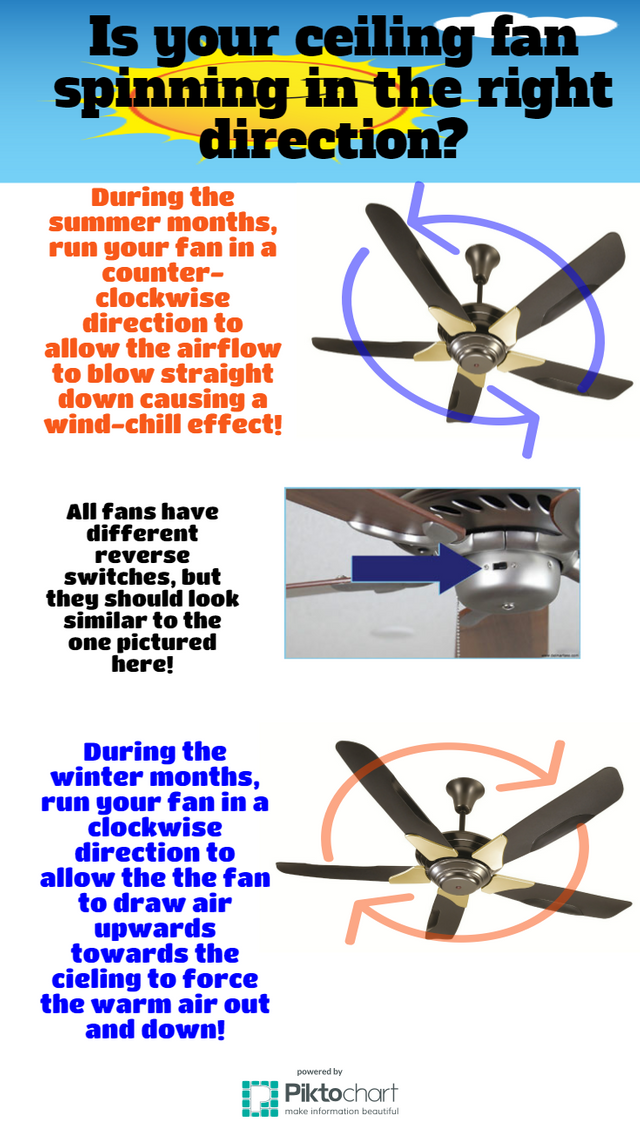
For summer, the blades should typically spin counter-clockwise. This creates a powerful downdraft, pushing air straight down onto you. It’s like having your own private, refreshing breeze.
Imagine lounging on the sofa, a good book in hand, and feeling that steady, cool current. It’s not just moving air; it's a small act of rebellion against the heat. Your fan, a true hero, delivers comfort straight to your skin.
Many remember childhood summers, falling asleep to the rhythmic hum of a fan. The gentle sway of the blades created a hypnotic effect, a promise of cooler dreams. It’s a sensory memory, often tied to ice cream and long, lazy days.
The "Ahhh" Moment
That first blast of cool air is an unmistakable feeling. It’s the instant sigh of relief, the immediate drop in perceived temperature. Your fan isn't just circulating air; it’s circulating pure joy.
Some people swear they can tell the difference the moment a fan is set correctly. They stand directly underneath, closing their eyes, a subtle smile spreading across their face. They've found their zen moment.
"The fan is more than a machine; it's a summer companion, a silent protector against the heat."
It's fascinating how a simple mechanical device can evoke such strong, positive feelings. It's a testament to the power of comfort in our daily lives. The fan becomes an essential character in our summer stories.
The Subtle Winter Whir: An Upward Embrace
But what happens when the temperatures drop? Does your fan become obsolete? Not at all! This is where the fan reveals its clever second trick, often overlooked but equally delightful.
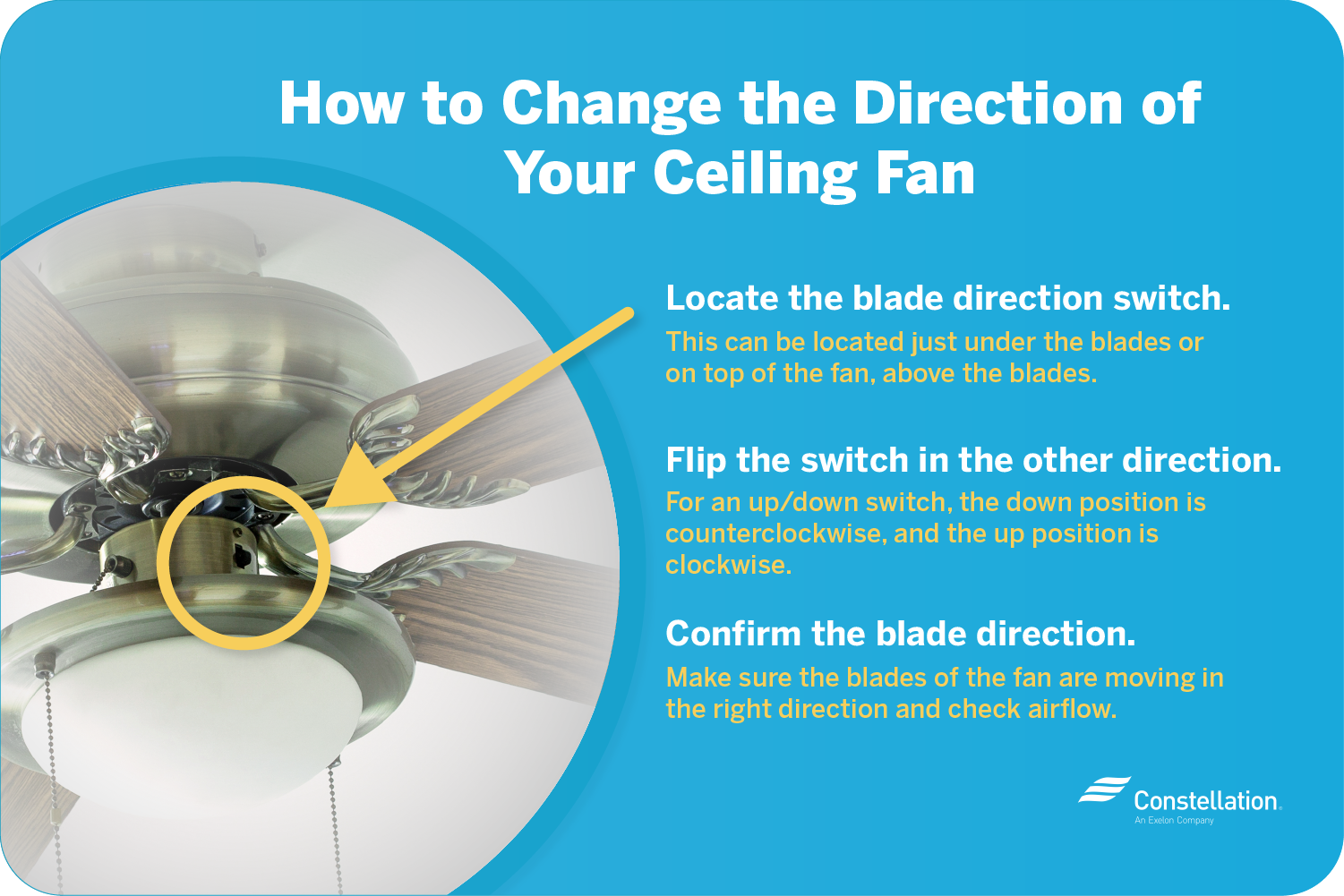
In winter, you want your ceiling fan to spin clockwise. This seemingly counter-intuitive direction creates an updraft. It gently pulls the cooler air near the floor upwards, pushing the warmer air (which naturally rises) back down the walls.
The result isn't a blast of warmth, but rather a more even distribution of heat. It subtly circulates the air, preventing those chilly pockets near the floor. It's about efficiency and cozy warmth, not direct cooling.
Think of it as a quiet, unseen helper, making your heating system work smarter, not harder. It’s the unsung hero of energy saving, keeping you snug without you even noticing its subtle work.
The Cozy Comfort Zone
This winter setting is less about an immediate sensation and more about overall ambient comfort. You might not feel a direct breeze, but you’ll feel the warmth hugging the room more evenly. It creates a truly cozy atmosphere.
Families often debate this setting, with one member insisting on feeling a breeze, even in winter, and another arguing for optimal heat distribution. It’s a charming, recurring discussion in many homes.

Perhaps someone’s grandmother always insisted on a fan, even on the coldest days, claiming it “kept the air moving.” She knew the secret, long before anyone discussed thermodynamics in casual conversation.
It’s a gentle reminder that sometimes the most effective solutions are the least dramatic. The fan, quietly doing its job, makes your home a haven from the biting cold.
The Universal Remote Control Dilemma
So, how do you change the direction? It’s usually a small switch on the fan’s motor housing. You might need a step stool and a good pair of eyes, which adds a touch of adventure to the task.
Sometimes, modern fans have a magical button on their remote control. This removes the physical exertion, but adds a new layer of mystery: "Which button does what, again?"
The quest for the directional switch often becomes a comical ritual. Someone bravely climbs up, dusts off the blades, and makes the momentous flip. Then everyone waits, eyes on the fan, for the verdict.
It's a small domestic adventure, often accompanied by playful banter and shared anticipation. The fan, in its stillness, holds the promise of either refreshing coolness or comforting warmth, waiting for its command.
"That little switch holds the power to transform your entire room's comfort level. It’s a tiny gatekeeper of atmospheric delight."
And then there are those rare moments when you forget which way it was spinning before. Was that clockwise or counter-clockwise? A moment of delightful confusion ensues, adding to the fan's playful mystique.
![Ceiling Fan Directions for Summer vs Winter [Infographic]](https://airflowacademy.com/wp-content/uploads/2021/06/Ceiling-fan-direction.jpg)
Beyond Ceiling Fans: The Personal Breeze
Of course, not all fans hang from the ceiling. There are desk fans, box fans, tower fans, and even tiny handheld marvels. Their purpose is usually more straightforward: point and cool.
But even with these simpler fans, there’s a personal touch. Do you aim it directly at your face for maximum impact? Or do you angle it to create a gentle, ambient flow across the room?
Some people love the direct hit of a powerful box fan, even reveling in the gentle buffet of papers on their desk. Others prefer a more diffused, less intrusive air movement.
The fan becomes an extension of our personal comfort zones. It's a tool we use to craft our ideal microclimate, whether we're working, sleeping, or simply relaxing.
The Fan as a White Noise Machine
Beyond air movement, many fans serve another crucial role: providing soothing white noise. The steady hum can mask street sounds, creaks, and even a snoring partner.
For some, the sound of a fan is synonymous with sleep. It's a comforting auditory blanket, a consistent drone that lulls them into slumber. It’s almost a lullaby.
This is where the fan becomes more than just a cooling device. It transcends its primary function to become a silent guardian of peaceful sleep, a true household hero.
The memory of a fan whirring in the background of a childhood bedroom is often a potent, comforting one. It’s a sound that promises safety and the sweet embrace of dreams.
The Enduring Charm of the Fan
Ultimately, the question of which way the fan should spin is less about strict scientific rules and more about personal preference. What feels good to you?
Some people love a strong breeze year-round, while others cherish the subtle circulation. There's no wrong answer, only what brings you the most comfort and joy.
The fan, in all its simplicity, offers a wonderful metaphor for life's little choices. Sometimes, the best way forward isn't dictated by rigid rules, but by what makes you feel best.
So next time you look up at your spinning ceiling fan, give it a little nod. It’s working hard, in whatever direction, to make your space a little more comfortable.
It's a humble appliance, yes, but one that brings an unexpected amount of delight, debate, and discovery into our homes. And that, truly, is something to spin about.