
Which Way Should The Ceiling Fan Turn In Winter

Okay, folks, let's dive into the thrilling world of ceiling fan direction! Yes, you read that right. Thrilling. Maybe I'm exaggerating. But it's definitely more interesting than watching paint dry. Unless you’re really into watching paint dry. Then, this might be a close second.
We're talking about something that affects your comfort levels all winter long. And it's as simple as flipping a switch. Seriously! Are you ready to unlock the secret to a cozier, warmer home?
The Great Fan Direction Debate
Every year, as the temperatures plummet, the same question arises: Which way should my ceiling fan turn? It’s a query that sparks debates around dinner tables. It leads to hushed whispers in the hardware store. It even pops up on social media accompanied by dramatic memes. It’s practically a holiday tradition!
Must Read
For many, the answer is a resounding, confident, and completely misguided… “Counter-clockwise!” But hold on. Before you jump on the counter-clockwise bandwagon, let's explore why this might be the wrong turn (pun intended!) for winter.
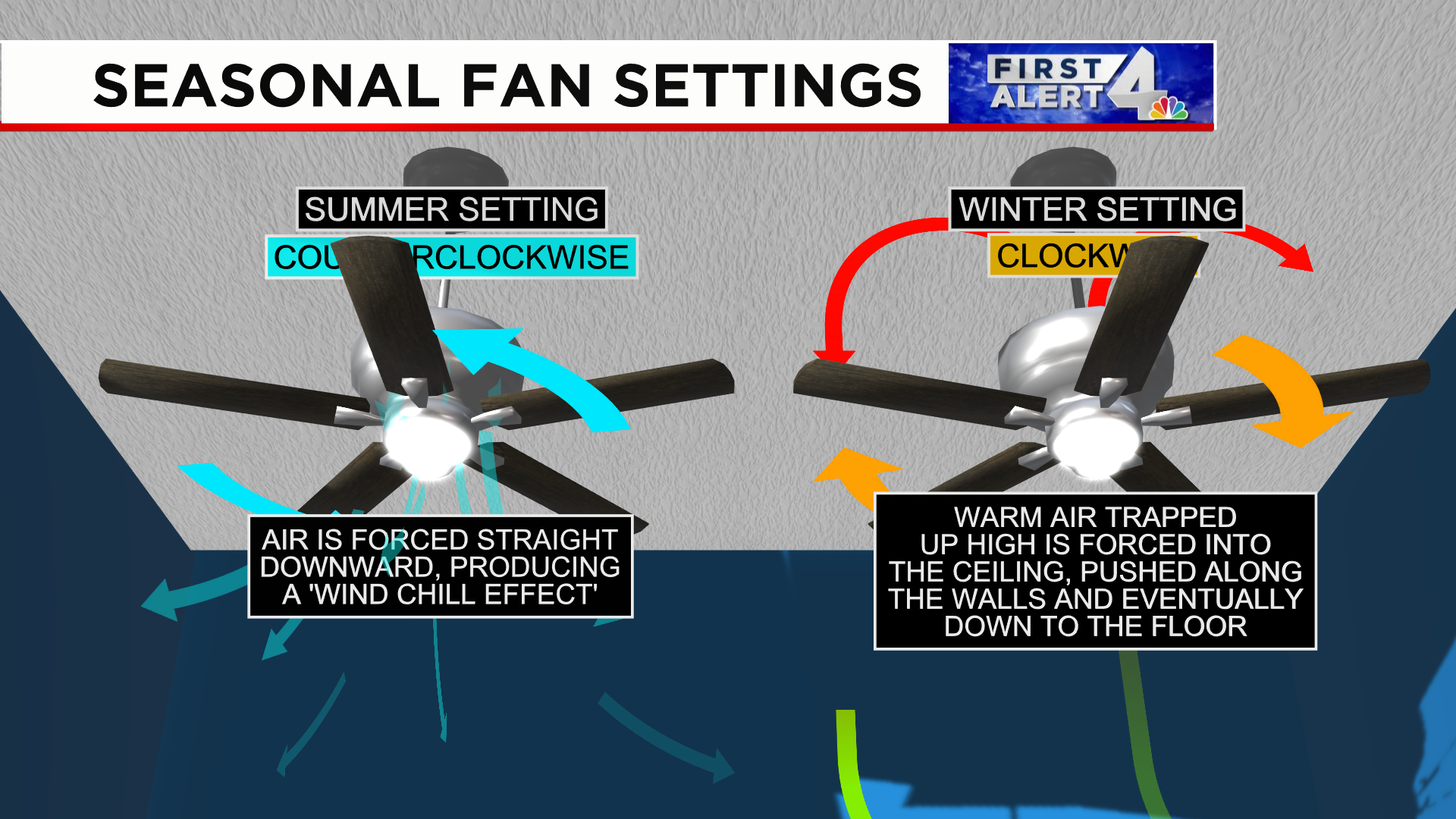
The summer setting, counter-clockwise, is what most of us are familiar with. We want that breezy, cool air circulating directly beneath the fan. It's like a personal air conditioner, banishing sweat and stickiness with every rotation. Summer is all about that downward draft. But winter? Winter needs a different strategy.
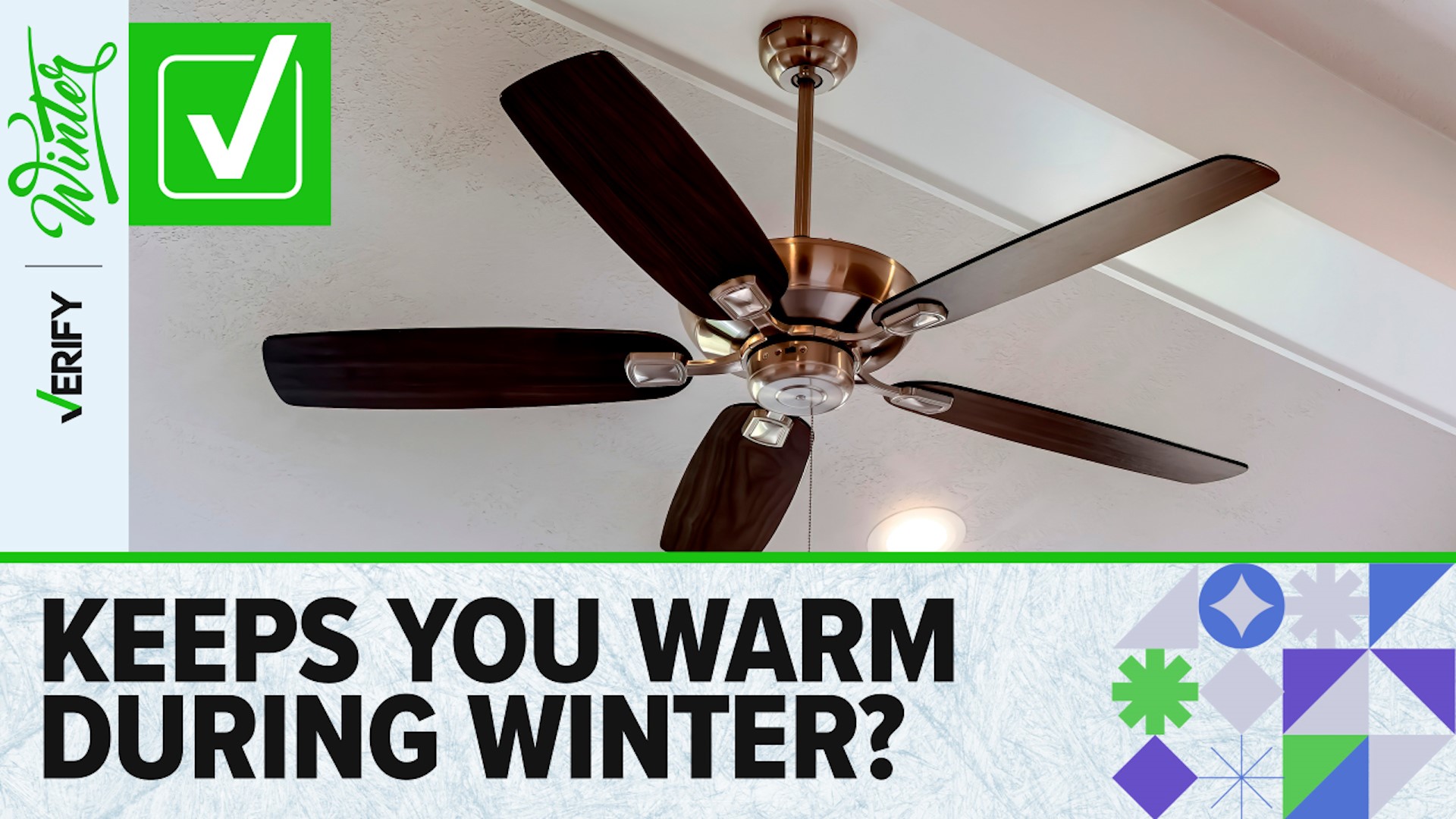
Why Clockwise is Your Winter Buddy
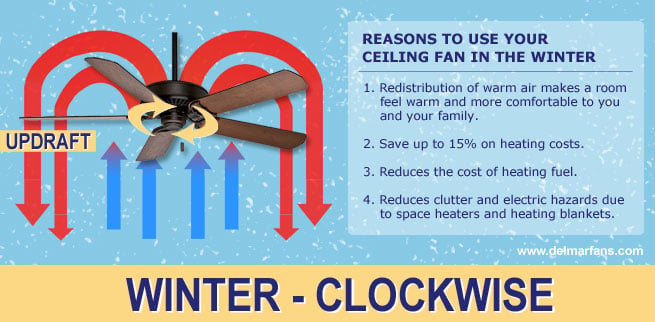
Think about it. Hot air rises. It's basic science. That warm, comfy air generated by your furnace, fireplace, or space heater heads straight for the ceiling. It's up there partying, while you're down below shivering. Not fair, right?
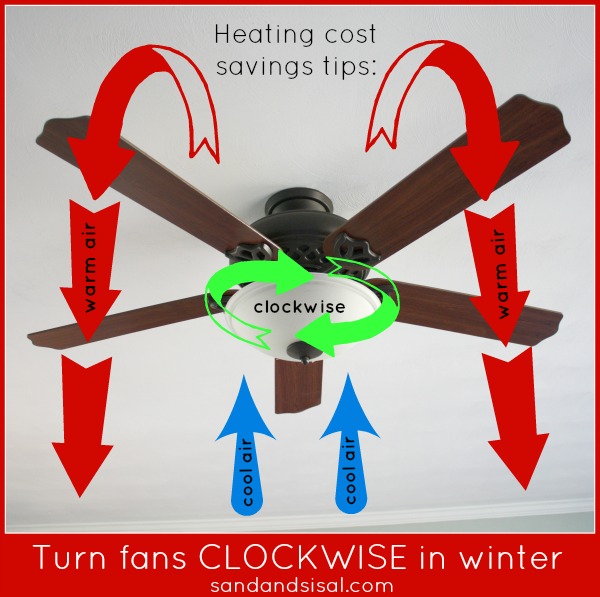
Here’s where the clockwise direction comes to the rescue! By switching your fan to run clockwise (usually at a low speed), you gently push that trapped warm air down from the ceiling. It's not creating a wind chill effect like in the summer. Instead, it's redistributing the existing warm air, making the entire room feel cozier. Imagine that - no more cold feet!
It’s like having a tiny, air-moving superhero working silently above you, combating the forces of heat stratification. All you have to do is flip the switch. Seriously, it's that easy!
Finding the Magic Switch
Now, where is this magical switch that controls the fate of your winter warmth? Usually, it's located on the fan motor housing itself. Look for a small slide switch. It might be labeled with arrows or simply say "forward/reverse." If you can't find it, consult your fan's manual. And if you threw out the manual years ago (we've all been there), a quick online search for your fan model should do the trick.
Important note: Make sure the fan is completely stopped before flipping the switch. Changing direction while the blades are spinning could damage the motor. We don’t want a ceiling fan rebellion on our hands!
The Low-Speed Secret
We touched on this earlier, but it's worth repeating: Use a low speed. The goal isn't to create a hurricane in your living room. It's to gently circulate the air. A low speed ensures that you're getting the benefits of warm air redistribution without the uncomfortable wind chill effect. You want a cozy hug, not a frosty blast.
Think of it like this: you're baking a cake. You don't crank the oven to the highest setting and hope for the best. You use a moderate temperature to ensure even baking. Similarly, a low fan speed ensures even warmth distribution.
Experiment and Enjoy!
The best way to determine the optimal fan direction and speed for your home is to experiment. Try different settings and see what feels the most comfortable. Pay attention to how the temperature feels in different parts of the room. You might even want to grab a thermometer to get scientific about it! (Okay, maybe not that scientific.)
Ultimately, finding the right ceiling fan direction for winter is a simple yet effective way to improve your home's comfort and potentially save on energy costs. It's a small change that can make a big difference. So, go ahead, flip that switch! Become a ceiling fan direction master. Your toes will thank you.
And next year, you can be the one confidently explaining the wonders of clockwise rotation to your bewildered family and friends. You'll be a hero. A winter comfort guru. All thanks to the humble ceiling fan.