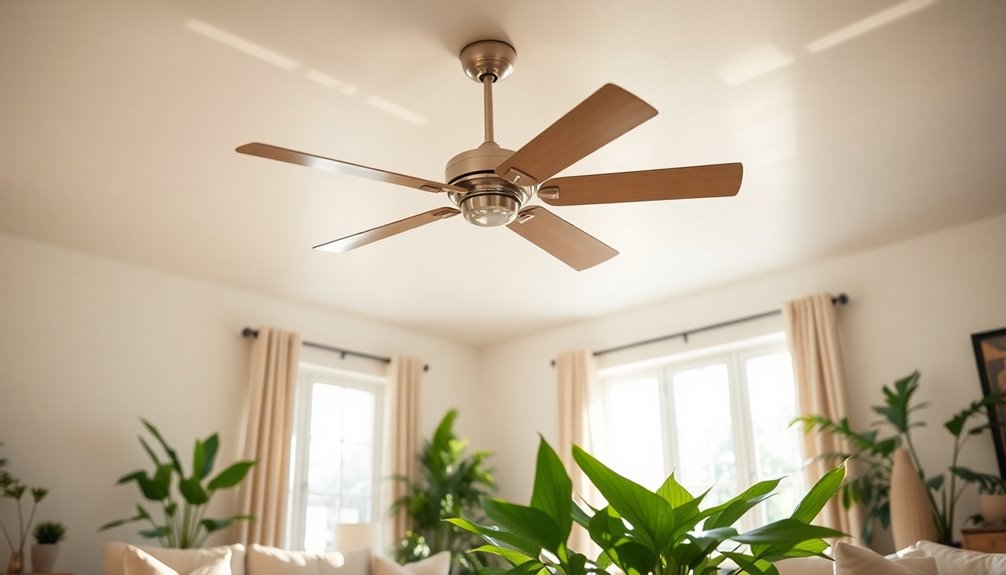
Which Way Should The Ceiling Fan Go In The Summer

Ever stood under a ceiling fan in the sweltering summer heat, feeling like a wilted daisy, and wondered, "Is this thing even working?" You're not alone. It’s a question that plagues households from cozy cottages to sprawling suburban estates. And the answer, my friends, involves a little bit of science, a whole lot of common sense, and maybe a dash of inter-family debate.
The Great Ceiling Fan Conspiracy (Or, a Mildly Annoying Question)
Think about it. How many times have you simply switched on the ceiling fan without giving its direction a second thought? Probably most of the time. We're busy people! We're juggling work, kids, hobbies, and the eternal quest for a decent parking spot at the grocery store. Who has time to ponder the rotational mysteries of a ceiling fan?
But here's the thing: that seemingly insignificant detail can actually make a noticeable difference in your comfort level. And the direction you want that fan spinning depends on the season.
Must Read
Summer Lovin': Counter-Clockwise is the Key
In the summer, you want your ceiling fan to spin counter-clockwise when you're looking up at it. Imagine you're standing directly below the fan. If it's spinning to the left, you're in business!
Why? Because counter-clockwise rotation creates a delightful downdraft. This isn't some fancy scientific term; it just means the fan is pushing air down towards you. This breeze helps evaporate perspiration, making you feel cooler. It's like your own personal, mini-hurricane of comfort. Think of it as the fan giving you a gentle, breezy hug – one that actually helps you survive July.
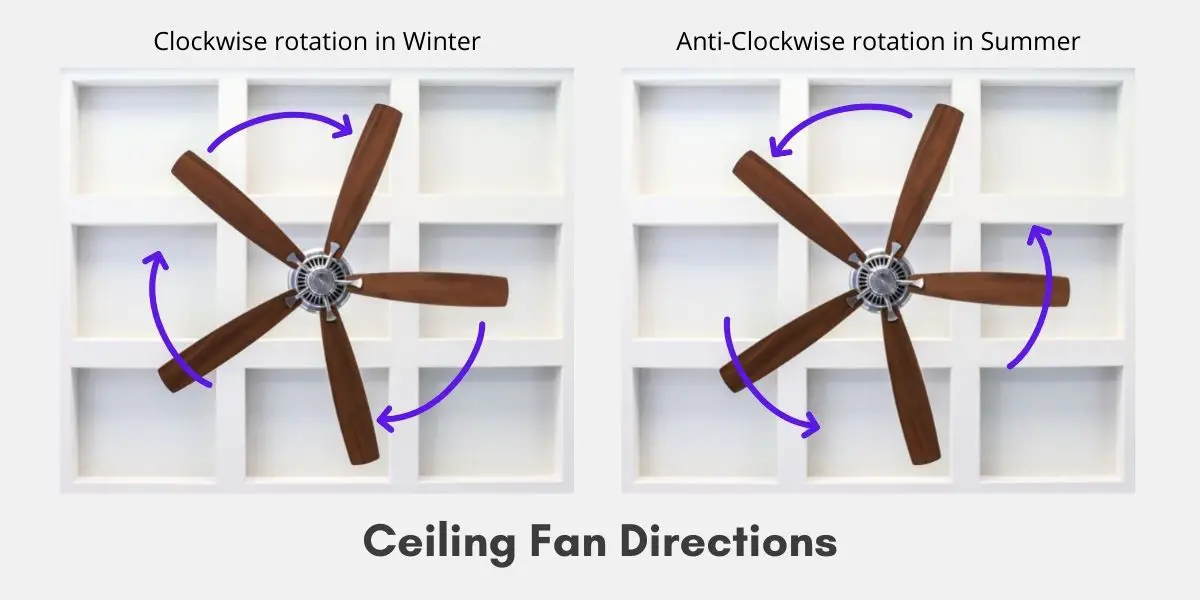
It's not actually lowering the room's temperature, mind you. It's more of a sensory illusion. But in the dog days of summer, a little illusion can go a long way. My grandma used to say, "If it feels cool, it is cool!" And Grandma always knew best.
Now, a word of caution: make sure your fan is actually spinning in the correct direction. Sometimes, they're sneaky. If you're not feeling a breeze, even after cranking up the speed, take a closer look. The switch that controls the fan's direction is usually located on the motor housing. It might be a tiny, unassuming little switch, but it holds the power to transform your summer from sweltering to slightly less sweltering.
:max_bytes(150000):strip_icc()/ceiling-fan-rotate-direction-1907533-v4-5ba94e6346e0fb002576cebf.png)
The Eternal Debate: A Family Affair
Of course, the question of ceiling fan direction can sometimes spark surprisingly heated debates within families. Uncle Joe insists the fan works best in a clockwise direction, regardless of the season. Little Susie swears the counter-clockwise breeze is making her hair frizz. And Mom just wants everyone to stop arguing and enjoy the air conditioning.
It's okay. Family debates are part of the charm of summer. Just remember to approach the situation with a sense of humor and a willingness to compromise. Maybe you can agree to alternate directions every other day. Or perhaps you can simply designate certain rooms as clockwise zones and others as counter-clockwise havens. The important thing is to find a solution that keeps everyone relatively happy (and relatively cool).

And if all else fails, you can always resort to a good old-fashioned ice cream bribe. A little chocolate can go a long way in smoothing over even the most heated ceiling fan disputes.
More Than Just a Breeze: A Little Bit of Ceiling Fan Wisdom
So, the next time you find yourself sweating under a ceiling fan, remember the summer secret: counter-clockwise is your friend. Embrace the downdraft. Revel in the illusion of coolness. And most importantly, don't let the direction of your ceiling fan become a source of family drama. After all, summer is a time for fun, relaxation, and maybe just a little bit of strategic breeze management.
And who knows? Maybe one day, Dr. Ceiling Fan will get a Nobel Prize. But until then, you can just enjoy the cool air, and know you are using your fan in the correct direction.