
Which Way Should Ceiling Fans Turn In Winter
Okay, folks, gather 'round the digital fireplace! Let's talk about something vital to surviving the winter months without turning into a human icicle: ceiling fans!
The Great Ceiling Fan Conspiracy (Debunked!)
I know what you're thinking. "Ceiling fans in winter? Isn't that just blowing cold air on me even faster?" Well, my friend, that's where you're gloriously, wonderfully, delightfully wrong! It's a common misconception, a myth perpetuated by… well, probably just people who haven't discovered the secret.
Think of it this way: you're a superhero. Your nemesis? Cold, stagnant air lurking near the ceiling. Your weapon? The humble, yet mighty, ceiling fan!
Must Read
So, Which Way Does the Villain Fall? (The Direction Dilemma)
The key is to understand that hot air rises (thanks, science!). In winter, all that cozy, expensive heat from your furnace or fireplace is having a party up near the ceiling, while you're down on the floor shivering in your socks. It's like the heat is mocking you, isn't it?
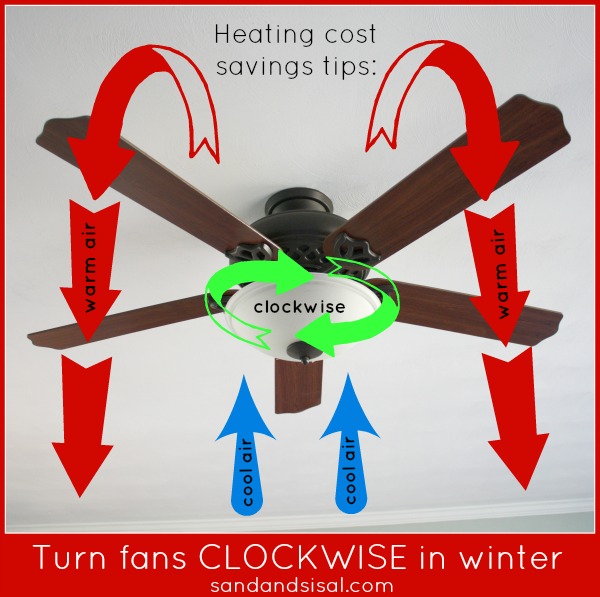
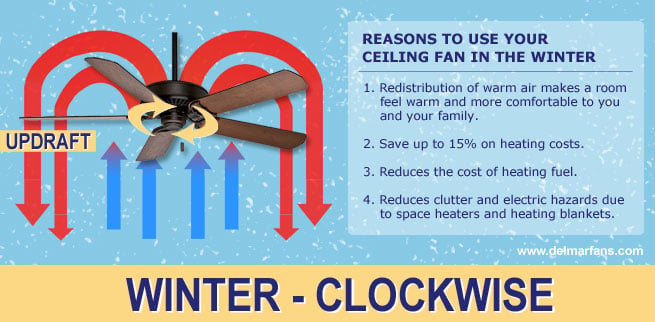
This is where our superhero fan steps in. In winter, you want your ceiling fan to turn clockwise. Yes, clockwise! I know, it sounds counterintuitive, like driving on the wrong side of the road. But trust me on this.
When your fan spins clockwise, it gently pushes that warm air accumulated near the ceiling down along the walls. It's a subtle, almost imperceptible breeze, but it redistributes the heat throughout the room, making it feel warmer and more comfortable at floor level.
Imagine a gentle, invisible waterfall of warmth cascading down the walls, enveloping you in a cozy embrace. Dramatic? Maybe. Accurate? Absolutely!
The Proof is in the Pudding (Or the Toasty Toes!)
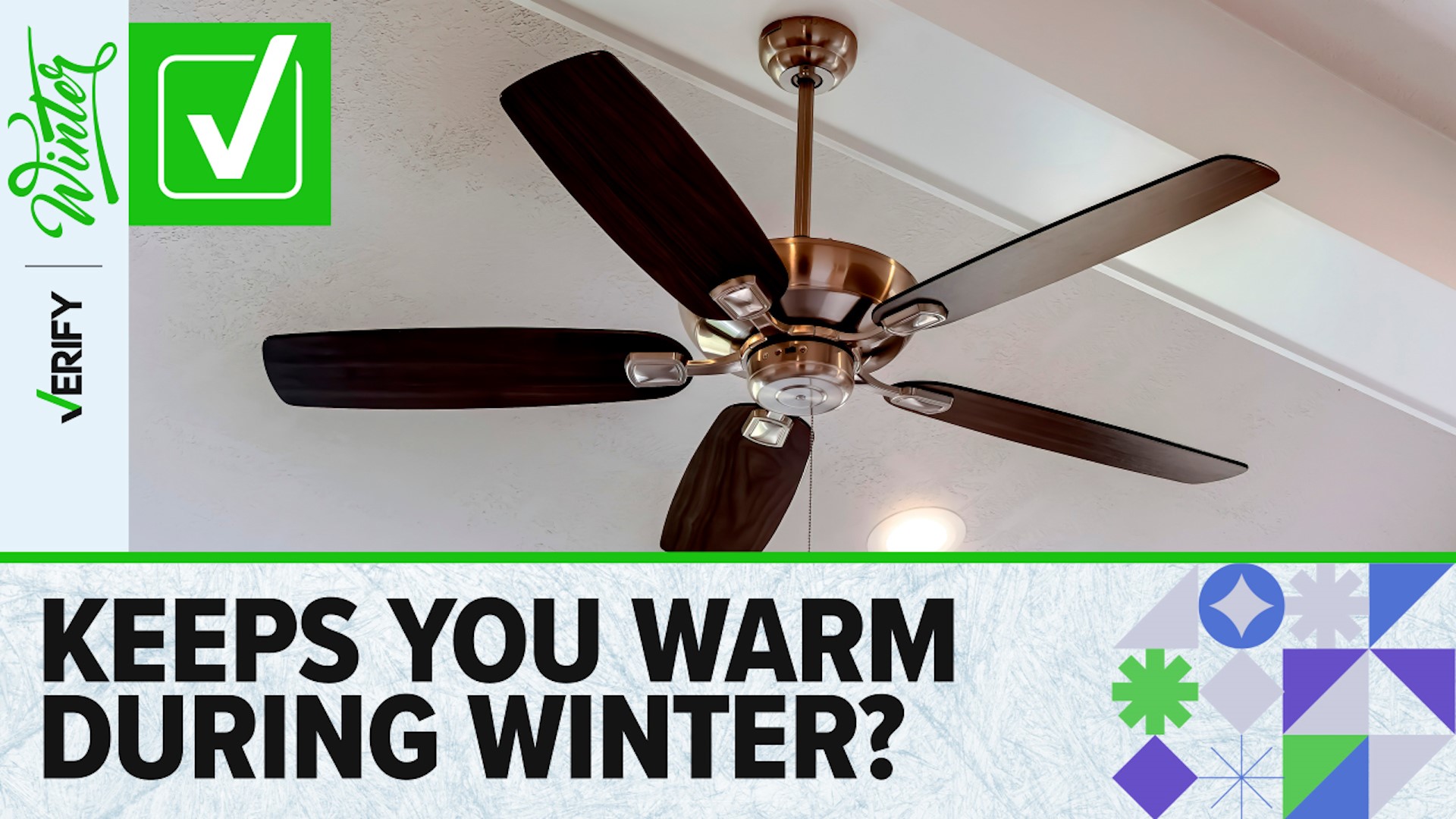
How can you be sure your fan is spinning in the right direction? Most ceiling fans have a small switch on the motor housing. This switch controls the direction of the blades. Flip it! (Make sure the fan is off first, unless you're going for a truly dramatic – and potentially dangerous – experience.)
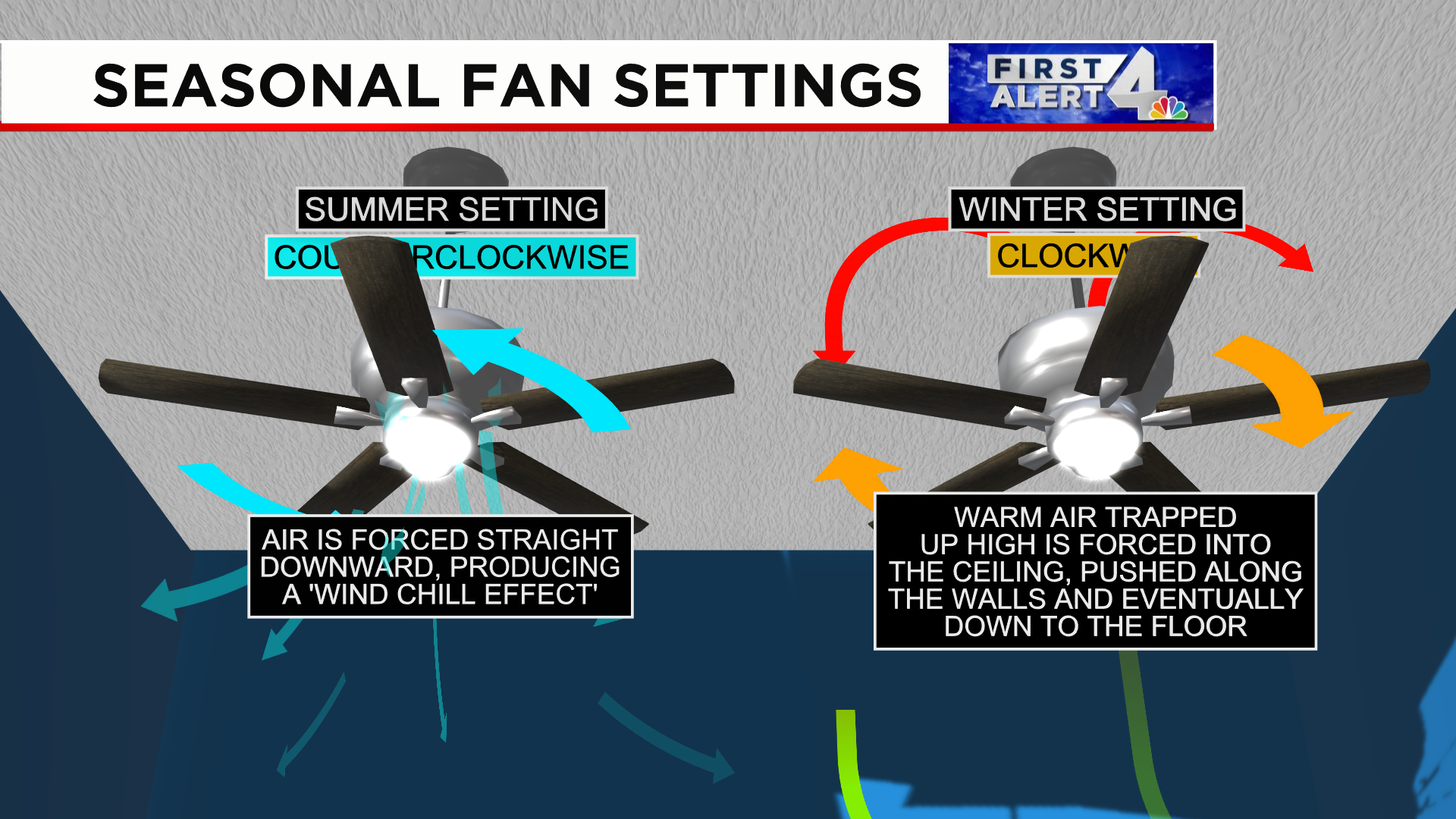
Stand underneath the fan. You shouldn't feel a strong, direct breeze. If you do, your fan is probably set to spin counter-clockwise, which is the setting for summer. (In summer, you want a direct breeze to create a cooling effect.)
If you're still unsure, try this highly scientific method: hold a feather (a small one!) near the fan. Observe its delicate dance. If it's being gently persuaded downwards, you're golden. If it's being violently swirled around like it's caught in a tornado, you need to adjust that switch.

Warning: May Cause Extreme Comfort (A Good Thing!)
The results of using your ceiling fan correctly in winter are truly astounding. You'll find yourself turning down the thermostat, saving money on your heating bill, and basking in the warm glow of your efficiently heated home. It's a win-win-win situation! (That's three wins, for those keeping score at home.)
You might even find yourself spontaneously breaking into song, perhaps a jaunty tune about the joys of balanced temperature distribution. Don't worry, it's a normal side effect. Just embrace the warmth and let the good times roll!
So go forth, my friends, and conquer the cold with your mighty ceiling fans! Remember: clockwise is the way to go. You'll be a winter comfort champion in no time!
One last thing: if you have a ceiling fan that doesn't have a reverse switch, consider getting one that does. It's an investment in your comfort, your wallet, and your overall winter sanity.
Remember the wise words of Professor Farnsworth: "Good news, everyone! By using your ceiling fan correctly, you can save energy and stay toasty warm!"
Now, if you'll excuse me, I'm going to go adjust my ceiling fan and bask in the warmth of my own genius (and my efficiently heated living room).