Which Way Should Ceiling Fan Turn In The Summer

Summer. The season of sun-drenched days, iced lattes, and… agonizing over the direction of your ceiling fan? Let's be honest, we've all been there. Staring up at those rotating blades, wondering if we're maximizing our chill factor or just wasting electricity. Fear not, dear reader! We're about to demystify the age-old question: which way should your ceiling fan turn in the summer?
The Science of Summer Breeze
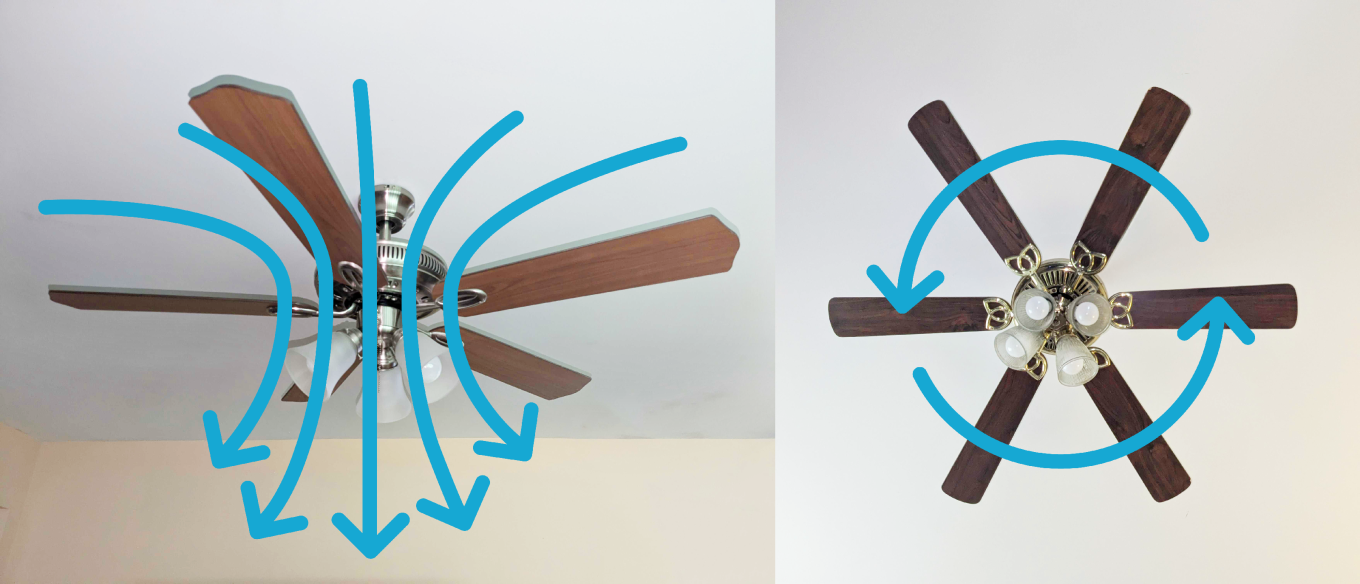
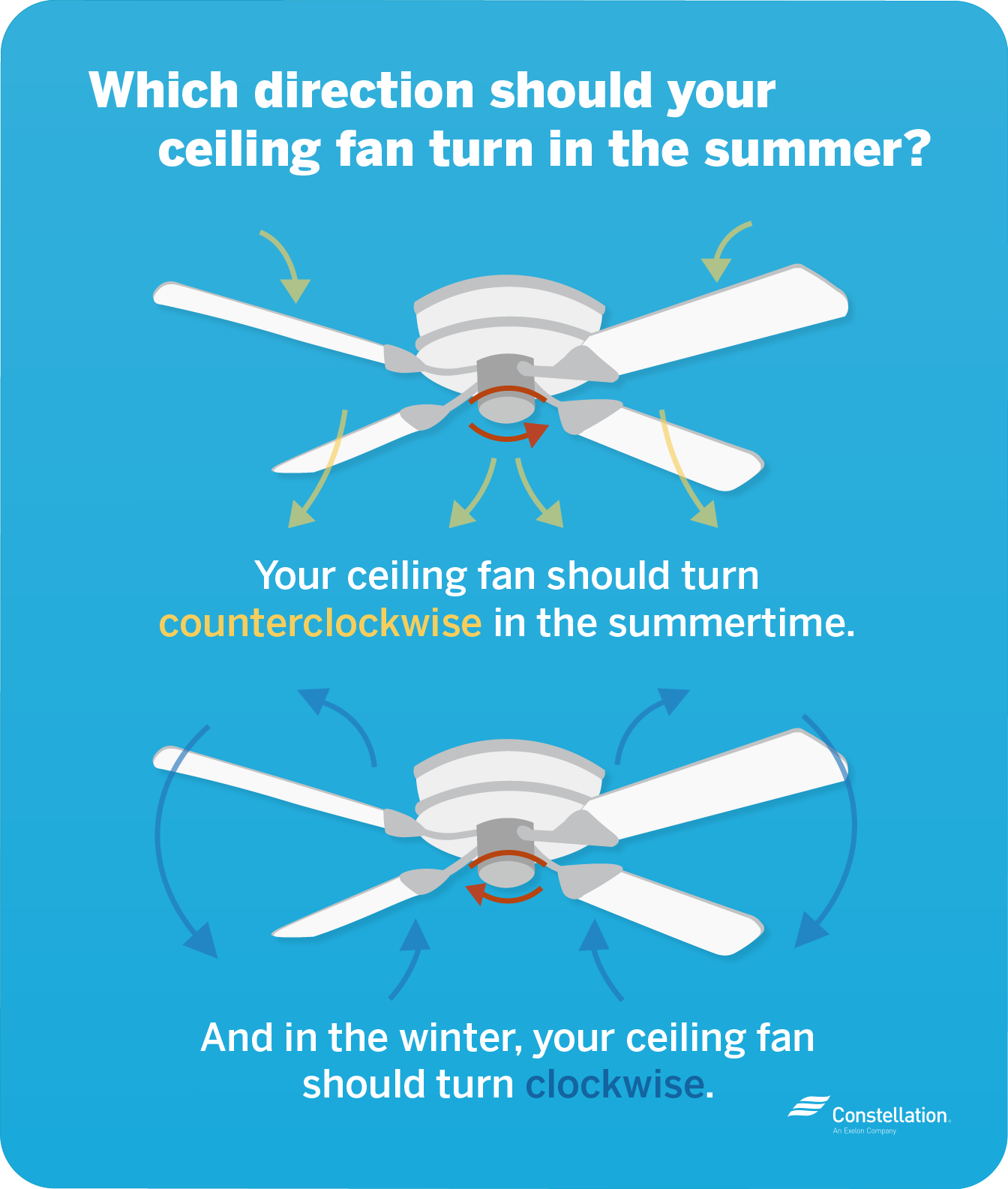
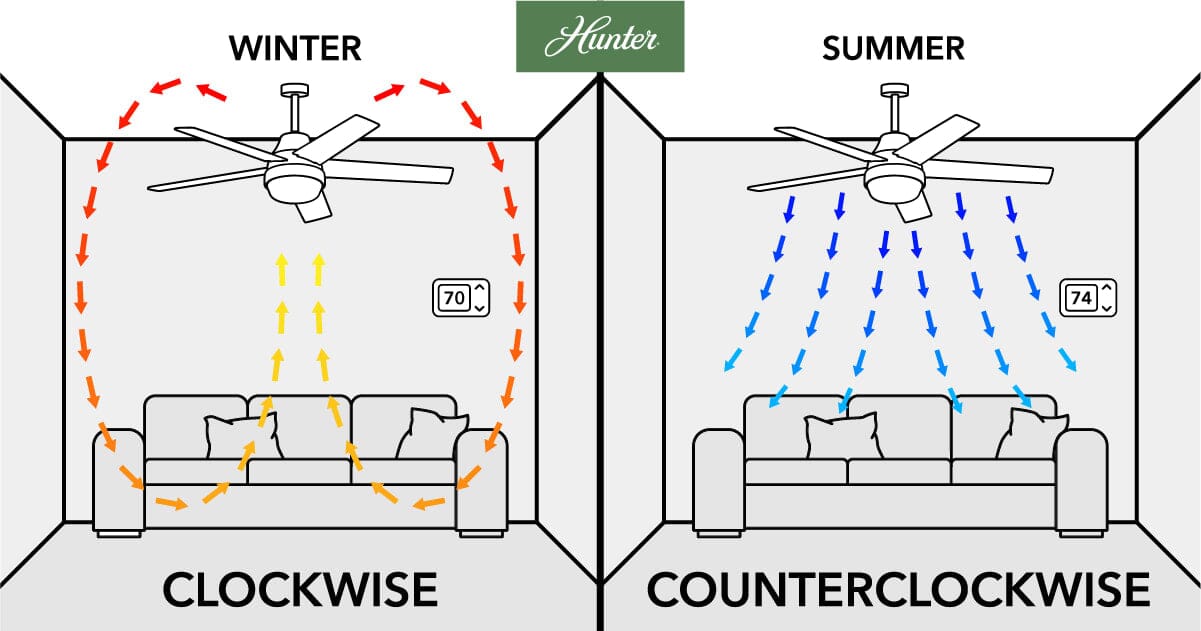
It's all about creating a downward airflow. Think of it like this: you want the fan to push air straight down, creating a gentle breeze that evaporates perspiration and makes you feel cooler. This is achieved when the fan is rotating in a counter-clockwise direction (when you're looking up at it).
Imagine you’re at a swanky rooftop bar, sipping a mojito. The slight breeze caressing your face? That’s what we’re aiming for, only without the overpriced cocktail. A counter-clockwise spinning fan mimics that gentle, refreshing sensation.
Must Read
Why Counter-Clockwise? The Practical Perks
Aside from the obvious comfort boost, getting the direction right can actually save you money. A correctly configured fan allows you to raise your thermostat a few degrees without sacrificing comfort. Studies suggest you could potentially reduce your air conditioning costs by up to 10%. That’s money you can use for… more mojitos!
Think of it as a partnership with your AC. Your air conditioner cools the air, and your fan helps circulate it more effectively throughout the room. It's a team effort, and counter-clockwise rotation is the MVP in summer.
Spotting the Switch: A Quick Guide
Most ceiling fans have a small switch located on the motor housing. It's usually a simple up/down switch that controls the direction of rotation. Before you flip the switch, make sure the fan is completely stopped. Safety first, always!
If you're unsure which direction is which, simply turn on the fan and observe. If you feel a noticeable breeze directly below the fan, you're good to go. If not, switch it up!
A Touch of Culture: Fans in History
Did you know that the earliest forms of fans date back to ancient Egypt? Royalty used handheld fans made of feathers and other luxurious materials to keep cool and comfortable. While our modern ceiling fans are a bit more utilitarian, they serve the same fundamental purpose: providing relief from the heat. From Cleopatra's elaborate fans to your basic bedroom ceiling fan, the quest for cool has been a long and fascinating journey.
The invention of the electric ceiling fan in the late 19th century revolutionized indoor comfort. It made staying cool accessible to everyone, not just the elite. So, the next time you adjust your fan's direction, remember you're participating in a time-honored tradition of seeking respite from the summer heat.
Beyond Direction: Fan Maintenance Tips
To keep your ceiling fan working efficiently, it's important to give it a little TLC. Dusting the blades regularly will prevent dust buildup and ensure optimal airflow. A clean fan is a happy fan!

Also, consider the height of your fan. It should be at least 7 feet above the floor for safety and optimal performance. If your ceilings are particularly high, you might need to use a downrod to lower the fan for better airflow.
The Takeaway: Small Changes, Big Impact
Adjusting your ceiling fan’s direction might seem like a trivial detail, but it’s a perfect example of how small, conscious choices can significantly impact our comfort and even our wallets. It's about being mindful of our environment and making simple tweaks to improve our daily lives.
So, take a moment, look up at your ceiling fan, and make sure it's spinning in the right direction. You might be surprised at the difference it makes. Now go enjoy that summer breeze, knowing you've mastered the art of the cool!