Which Way Should A Fan Turn During The Summer

The humble ceiling fan. It's not just a dusty fixture hanging above us; it's a silent director of our comfort, a behind-the-scenes player in the great summer coolness caper. But here's the million-dollar question: which way should that fan be turning to truly maximize its chill-inducing potential? It's a debate that has sparked countless family squabbles and office thermostat wars. Fear not, weary traveler, because we're here to finally set the record straight!
For the artist, the hobbyist, or even the casually curious, understanding the simple science behind fan direction can unlock a new appreciation for the environment around them. Think of it as mastering a crucial element of indoor climate control. It's not just about feeling cooler; it's about understanding airflow, energy efficiency, and creating a more comfortable, and therefore more productive, space for creative endeavors. Imagine finally conquering that pesky summer heat, allowing you to fully immerse yourself in your painting, writing, or that epic Lego build you've been putting off.
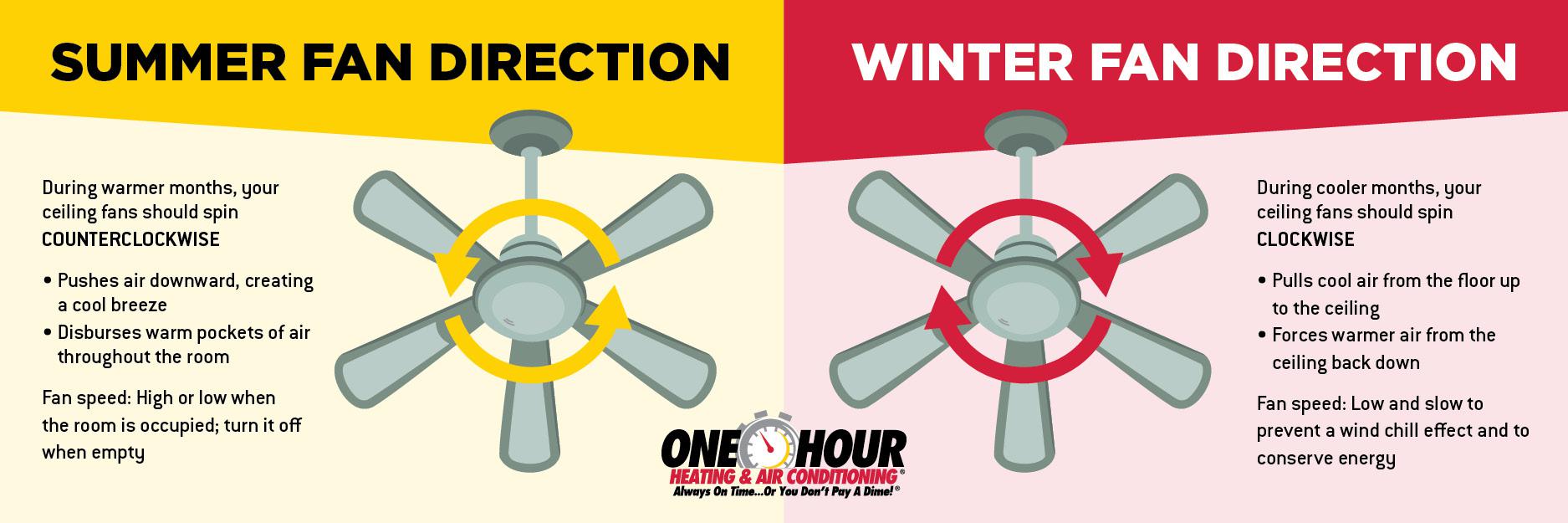
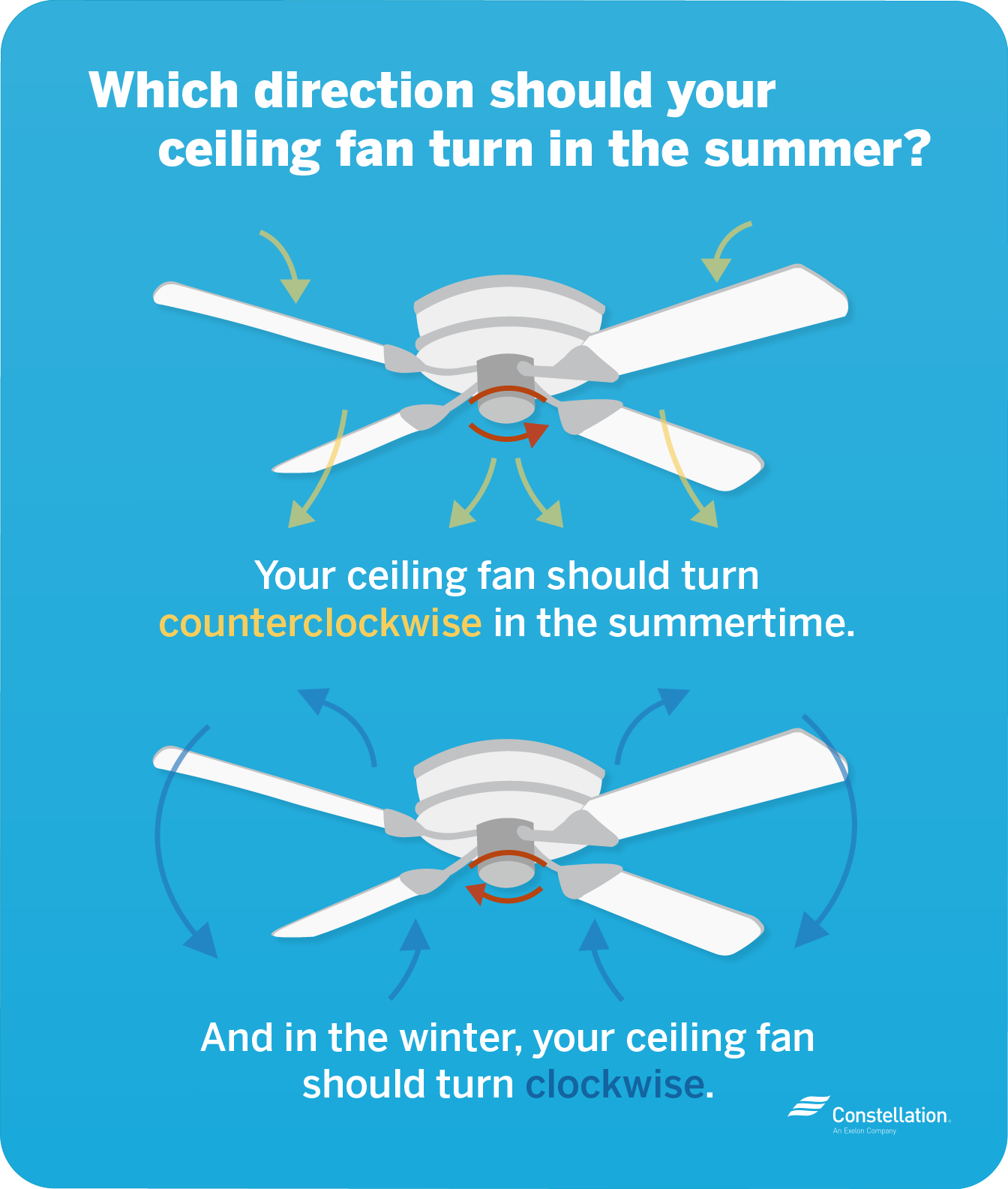
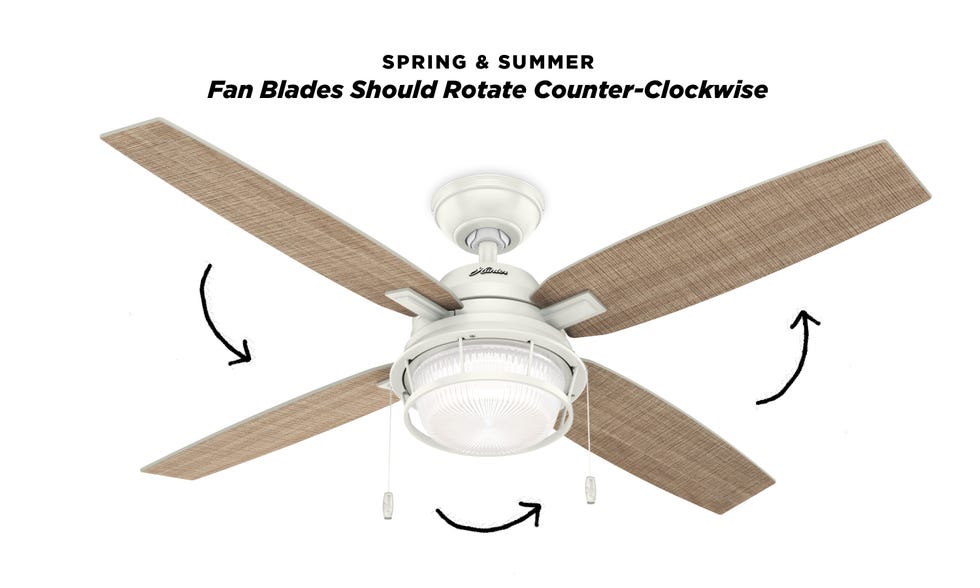
So, what's the secret? During the summer months, your ceiling fan should be rotating counter-clockwise when you're looking up at it. This creates a downdraft, which is essentially a gentle breeze blowing straight down. This breeze helps evaporate perspiration from your skin, making you feel significantly cooler. Think of it like nature's own air conditioning, only powered by electricity and a simple change in direction. Conversely, during the winter, you want the fan to rotate clockwise, creating an updraft. This helps circulate warm air that rises to the ceiling back down into the room, making your heating system more efficient.
Must Read
How to try it at home: First, locate the direction switch on your ceiling fan. It's usually found on the motor housing. Flip the switch to change the direction of rotation. Observe the fan's movement. Is it creating a noticeable downdraft? If not, try the other direction. You should be able to feel the difference within minutes. Experiment with different fan speeds. Sometimes a lower speed is all you need to feel comfortable, saving you energy and money.

Beyond the basics: Consider the size of your room. A larger room might benefit from a larger fan or multiple fans. Also, think about fan blade pitch. Blades with a steeper pitch will move more air. And finally, remember to dust your fan blades regularly. A clean fan is a more efficient fan!
Ultimately, understanding which way your ceiling fan should turn during the summer is about more than just feeling cooler. It's about taking control of your environment, optimizing energy use, and creating a space that supports your well-being and creativity. It's a simple adjustment that can make a big difference, and who doesn't enjoy a little DIY problem-solving that leads to increased comfort and a lighter utility bill? So, go ahead, flip that switch and enjoy the sweet, cool relief of a properly directed fan. You deserve it!