
Which Way Should A Fan Be Spinning In The Summer
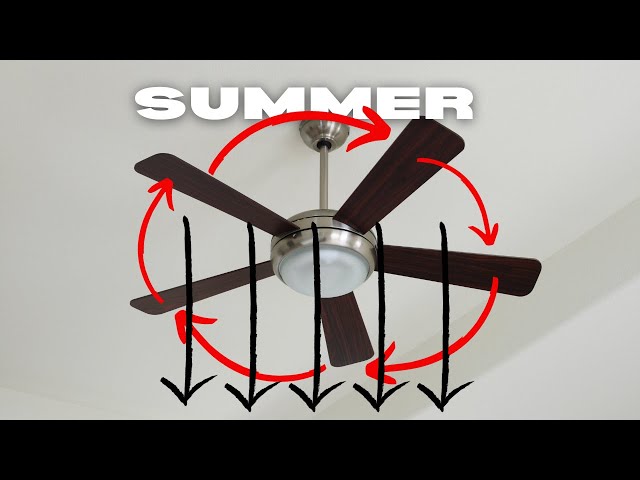
Summer. The season of sun-drenched days, backyard barbecues, and… battling the relentless heat. We crank up the AC, guzzle iced drinks, and strategically position ourselves in the path of any available breeze. But sometimes, even with all that effort, something just feels…off. Like you're not getting the most out of your cooling efforts. Have you considered your ceiling fan?
That's right, that dusty whirlybird hanging above you can be a powerful ally in your quest for comfort. But only if it's spinning the right way.
The Great Fan Direction Debate: Summer Edition
So, which way should your fan be spinning? In the summer, the answer is counter-clockwise. Think of it like this: you want the fan to push air downward, creating a refreshing breeze that directly cools your skin. This is because a counter-clockwise spin displaces the air below, creating a localized wind-chill effect. It's like having a personal air conditioner, but without the hefty electricity bill!
Must Read
Think of it like a tiny, localized hurricane of cool. Okay, maybe not a hurricane. More like a gentle tropical depression of comfort. You get the idea.
How to Check (and Change) Your Fan's Direction
Not sure which way your fan is spinning? No problem! Here’s a quick guide:

- Observe: Stand beneath your fan and watch which way the blades are rotating.
- The Switch: Look for a small switch on the motor housing of your fan. This switch controls the direction. It might be a little stiff from lack of use, so give it a firm (but gentle!) nudge.
- Test: After flipping the switch, give the fan a few minutes to get up to speed and then check the direction again. If it's still spinning the wrong way, flip the switch back.
Pro Tip: Always turn off the fan before attempting to change its direction. Safety first, friends!
Why Counter-Clockwise Works (The Science-y Bit)
The magic of a counter-clockwise fan in summer lies in its ability to create a wind-chill effect. When air moves across your skin, it helps to evaporate moisture. This evaporation process draws heat away from your body, making you feel cooler. It's the same reason why you feel a chill when you step out of the shower.
So, your fan isn't actually cooling the room (unless you have an AC connected to it, of course!). It's cooling you. It's a subtle but significant difference.

Beyond the Basics: Fan Optimization Tips
Want to take your fan game to the next level? Here are a few tips to maximize its cooling power:
- Fan Speed: Experiment with different speeds to find the sweet spot between a gentle breeze and a full-on wind tunnel.
- Room Size: Make sure your fan is appropriately sized for the room. A tiny fan in a large room won't do much.
- Combined Cooling: Use your fan in conjunction with your air conditioner. Setting your thermostat a few degrees higher and relying on the fan to circulate the air can save you energy (and money!).
- Turn it Off: Remember, the fan cools people, not rooms. Turn it off when you leave to save energy.
Think of it as mindful fan usage. Like mindful eating, but with less chewing.

A Pop Culture Pause: The Fan in Film
The humble fan has often played a silent but significant role in film. Think of the swirling ceiling fan in "Apocalypse Now," adding to the sense of claustrophobia and impending doom. Or the languid, romantic fans in classic Hollywood films, used to subtly convey emotion. Even without dialogue, the fan whispers volumes.
The Everyday Magic of a Cooling Breeze
Ultimately, the direction of your fan is a small detail. But it’s a detail that can significantly impact your comfort and well-being during the hot summer months. It's about more than just escaping the heat; it's about creating a more pleasant and enjoyable living space.
So, take a moment to check your fan. Make sure it's spinning the right way. And then, sit back, relax, and enjoy the cool, gentle breeze. Because sometimes, the simplest solutions are the most effective. And sometimes, all you need is a little bit of well-directed air to make all the difference.
![Ceiling Fan Directions for Summer vs Winter [Infographic]](https://airflowacademy.com/wp-content/uploads/2021/06/ceiling-fan-direction-for-summer.jpg)