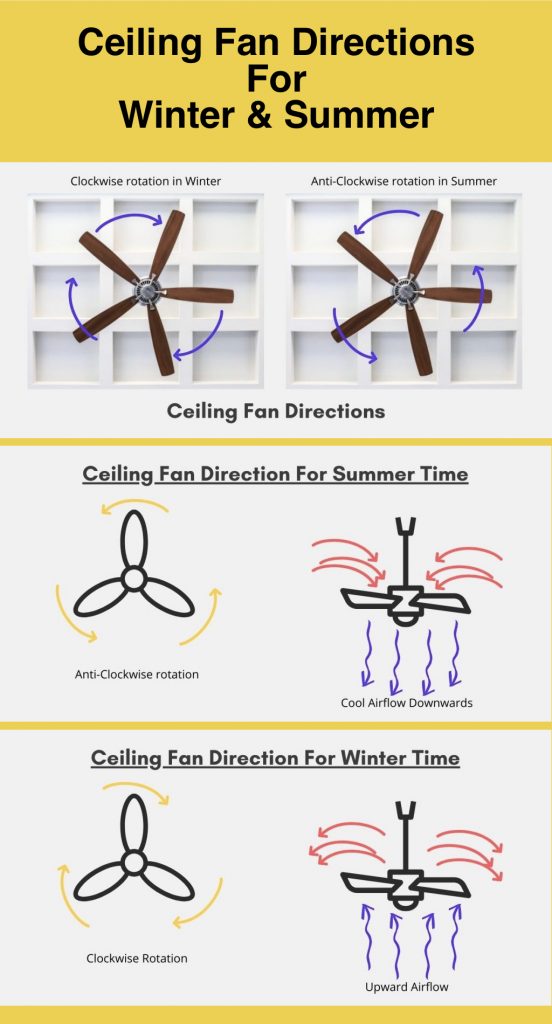
Which Way Should A Ceiling Fan Turn For Winter

Okay, picture this. It’s winter. You’re huddled under a blanket thicker than your grandma’s holiday fruitcake, convinced you’re slowly turning into a human icicle. You glance up at your ceiling fan, that dusty old thing you haven’t touched since August, and a single thought pierces the frosty fog in your brain: “Wait a minute…does this contraption even do anything in winter?”
The answer, my friends, is a resounding YES! But, and this is a big BUT, it needs to be spinning the right way. Otherwise, you're just wasting electricity and giving your fan a dizzying workout for no good reason. Think of it like trying to use a spoon as a fork – technically, you can do it, but you’ll end up with pasta sauce everywhere and a deep sense of culinary disappointment.
The Secret Life of Ceiling Fans (in Winter)
Most ceiling fans have a little switch, usually located on the motor housing, that controls the direction of the blades. This switch is the key to unlocking your fan's winter warming potential. Now, I know what you’re thinking: “Warming? Ceiling fans? Isn’t that, like, the opposite of what they’re supposed to do?”
Must Read
Well, prepare to have your mind blown! In winter, you want your ceiling fan to rotate clockwise when viewed from below. I know, it sounds counterintuitive. You're probably imagining all the hot air being sucked up into the ceiling like some kind of atmospheric vacuum cleaner. Don't worry, that's not how it works.
See, hot air rises (duh!). That's why the top floor of your house is always approximately the temperature of the sun's surface, while your basement feels like a penguin colony. The clockwise rotation of the fan gently pushes that warm air that's congregating near the ceiling back down towards the living areas. It's like giving the warm air a gentle nudge in the right direction, a friendly “Hey, you! Get down there and warm those toes!”
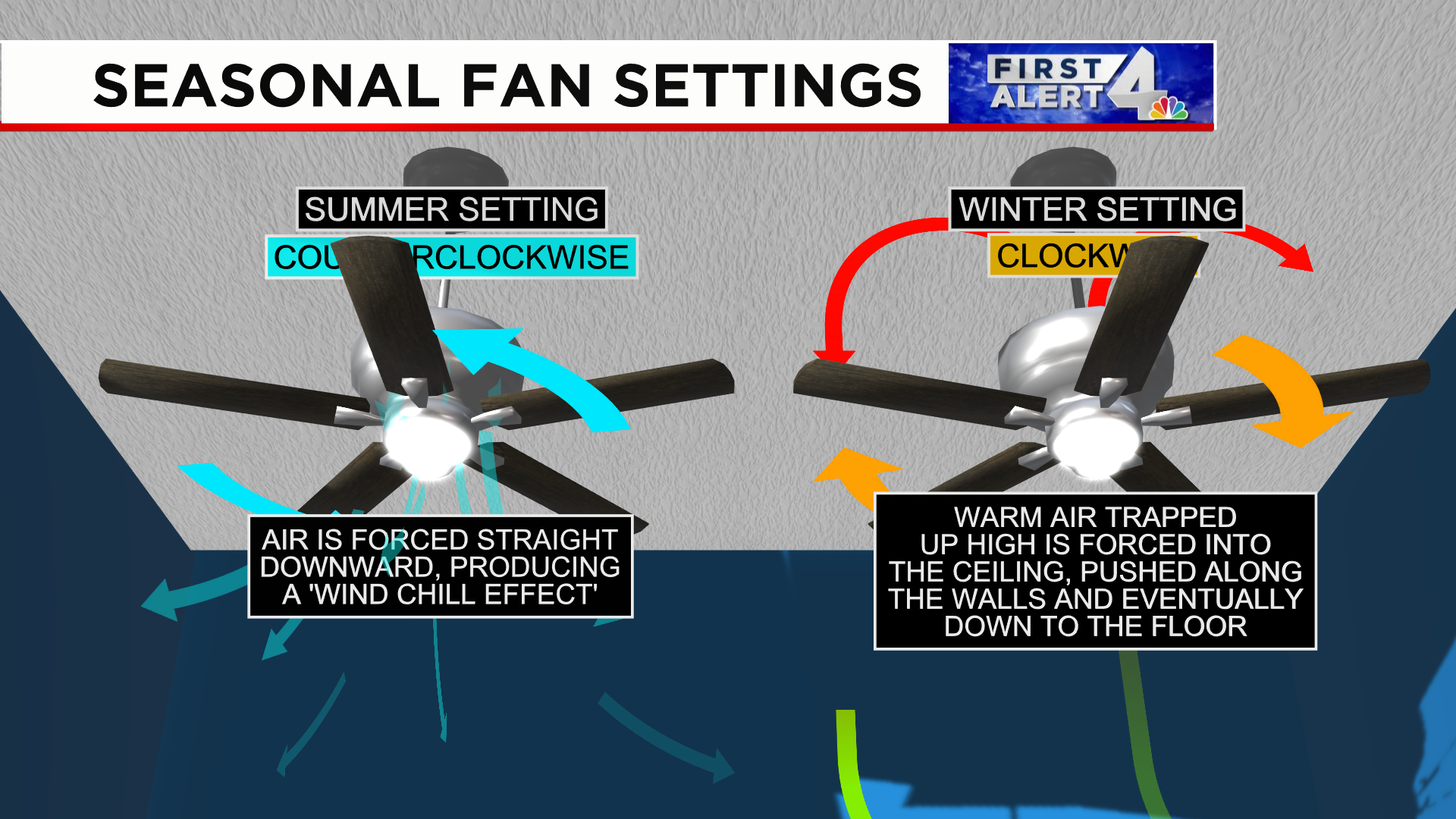
It’s a subtle difference, mind you. We're not talking about instantly transforming your living room into a tropical paradise. Think of it more as a gentle redistribution of heat. You might not notice it right away, but over time, it can help to even out the temperature in your room and potentially save you some serious cash on your heating bill. And who doesn't love saving money? Especially if it means you can buy more blankets. You can never have too many blankets.
How to Tell if Your Fan is Cooperating
Okay, so how do you actually know which way your fan is spinning? Unless you’re some kind of ceiling fan whisperer, you'll probably need to actually look at it. Stand directly underneath the fan (but please, for the love of all that is holy, turn it off first!) and observe the blades. If they’re moving in a clockwise direction, you’re golden! If not, flip that little switch, and give it another go.
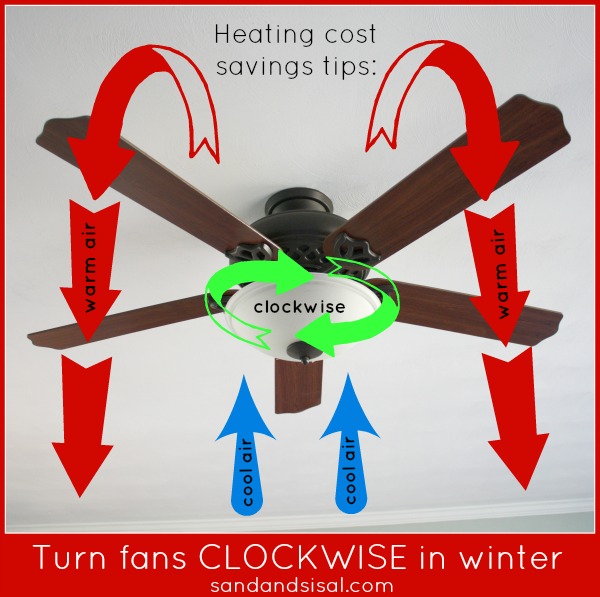
Pro Tip: If you're still not sure which way is clockwise, just remember the way a clock's hands move. Unless you're using a digital clock, in which case, you're on your own. Just kidding! Google it.
Another Pro Tip: After you switch the direction of the fan, run it on a low speed. We're not trying to create a wind tunnel in your living room. A gentle breeze is all you need to circulate that warm air. Think of it as a warm, cozy whisper, not a blustery shout.
The Thrilling Conclusion (and a Word of Caution)
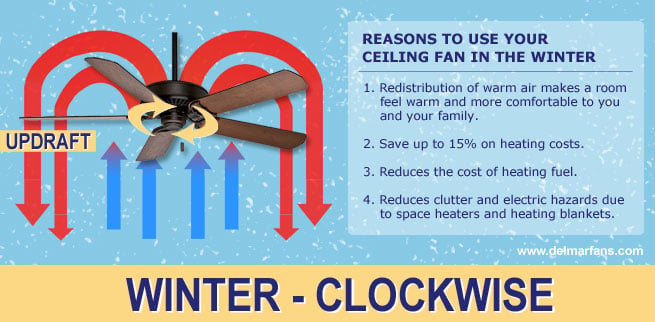
So, there you have it! The secret to maximizing your ceiling fan's winter potential. By simply flipping a switch and letting your fan spin in a clockwise direction, you can help to redistribute warm air, save money on your heating bill, and finally give your ceiling fan a sense of purpose during the colder months.
However, a word of caution: do not stand on a wobbly chair while attempting to flip the switch. Safety first, people! Instead, enlist the help of a taller friend, a handy neighbor, or even invest in a good stepladder. Your life (and your ceiling fan) will thank you for it.
And remember, even if you do everything right and your house still feels like an icebox, don't blame the ceiling fan. Sometimes, you just need a good cup of hot cocoa and a really, really big blanket. Maybe two.