
Which Way Should A Ceiling Fan Turn For Cool Air
:max_bytes(150000):strip_icc()/ceiling-fan-rotate-direction-1907533-v4-5ba94e6346e0fb002576cebf.png)
Okay, picture this: it's a sweltering summer evening, and I'm sprawled on the couch, convinced my apartment is actually a sauna in disguise. The AC is humming along (probably costing me a small fortune), but I'm still feeling like a melted popsicle. Desperate times, right? So I glance up at the ceiling fan, and a thought hits me: Am I even using this thing right? Like, is it turning the right way?
Turns out, the answer isn't as obvious as you might think. It's not just about switching it on and hoping for the best. There's a whole science, albeit a pretty simple one, behind maximizing that fan's cooling power. And guess what? It depends on the season! So, let's dive into the swirling world of ceiling fan direction and figure out how to get the most bang for your buck (and keep that AC bill from sending you into early retirement).
Summer Mode: Counter-Clockwise Coolness
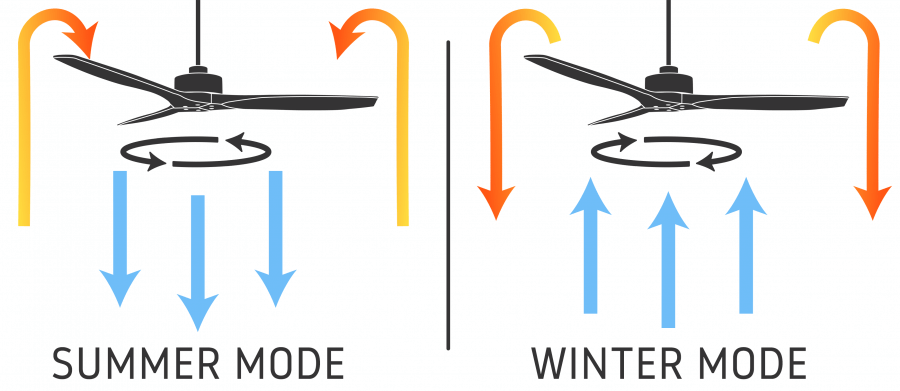
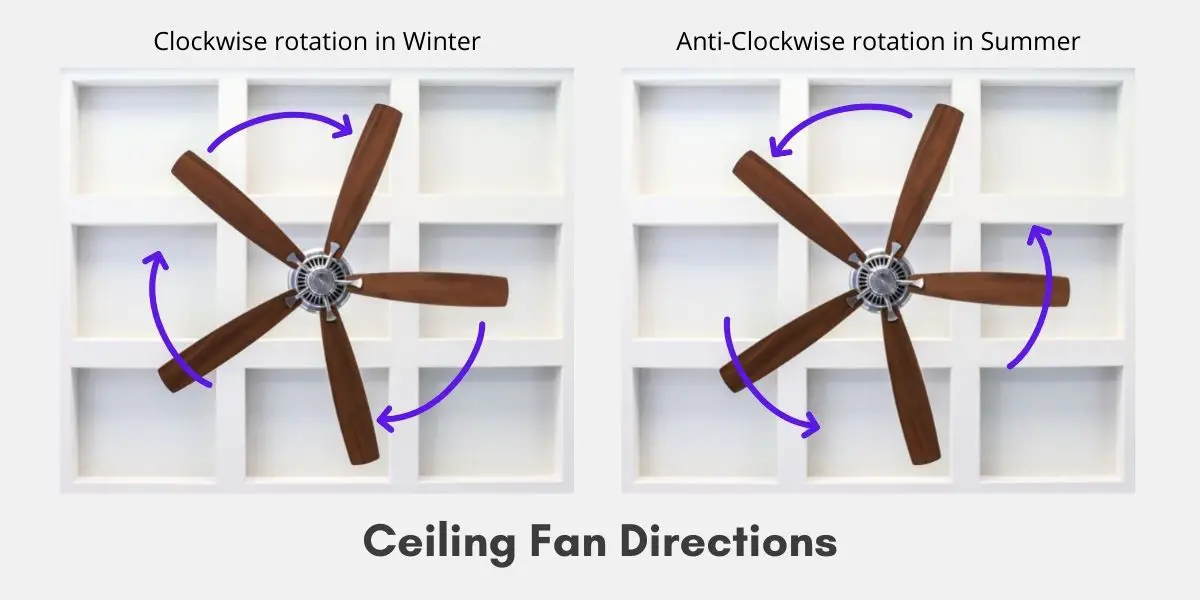
Alright, let's get the important one out of the way: summer. When you're battling heat and humidity, you want that fan rotating in a counter-clockwise direction (as you look up at it, of course – don't try to stand on your head!).
Must Read
Why? Because a counter-clockwise rotation creates a downdraft. Think of it as a gentle breeze pushing air straight down, directly onto your skin. This isn't actually cooling the air itself (sorry to break it to you), but it is helping the evaporation of sweat from your skin, which does cool you down. It’s all about that wind chill effect, baby!
Basically, it's making you feel cooler without actually lowering the temperature of the room. Sneaky, but effective! Bonus: You can usually raise your thermostat a few degrees and still feel comfortable, saving you some cash on your energy bill. Ka-ching!
Finding the right direction is usually done by looking for a small switch on the motor housing of your fan. It might be a tiny slider or a push-button. Flip it, and watch the blades change direction. (Pro-tip: make sure the fan is off when you do this! Safety first, always.)
Winter Mode: Clockwise Warmth
Okay, now let's flip the script (and the switch!) for winter. When the cold winds are howling outside, you want your ceiling fan rotating in a clockwise direction.

Wait, what? Isn't that the opposite of what we want? Yes, it is! But here’s the magic: a clockwise rotation creates an updraft. (Disclaimer: You might not actually feel an updraft.)
The idea here is to pull cool air that has settled near the floor upwards, pushing the warmer air that has risen to the ceiling back down into the living space. See, warm air rises, and in the winter, all that lovely heat from your furnace or radiator ends up camping out near the ceiling, leaving you shivering down below.
By running the fan in a clockwise direction, you're essentially redistributing the heat and making the room feel warmer overall. Again, you aren't generating any new heat, but you are making better use of the heat you already have. It's all about efficiency, my friends! Think of it as helping your heating system work smarter, not harder.

Important note: You usually want to run the fan at a low speed in winter. You don’t want a strong breeze; you just want to gently circulate the air. Otherwise, you’ll defeat the purpose and just feel cold.
So, How Do I Remember This?
Honestly, remembering which way to turn the fan can be a bit tricky. Here’s my super scientific, totally foolproof method:
- Summer: Think "Summer's downward heat needs a downdraft." (Okay, I know, it's cheesy, but it works for me!)
- Winter: Think "Winter's warmth wants to be distributed upwards to mix with the cold air at the bottom." (Even cheesier, but hey, whatever helps you remember!)
Or, you could just write it down on a sticky note and slap it on the fan. No judgment here!
The Bottom Line
Using your ceiling fan correctly can make a surprising difference in your comfort levels, both in summer and winter. So, take a few minutes to check which way it's turning, flip that little switch if necessary, and enjoy the benefits of a well-circulated room. You might just save yourself some money on your energy bills in the process. And who doesn't love that?
Now, if you'll excuse me, I'm going to go double-check my own ceiling fan. Just in case. You know, for science!