Which Way Should A Ceiling Fan Blow In Summer
Okay, let's talk ceiling fans. We've all been there, staring up at that slowly spinning contraption, wondering if it's actually doing anything. Is it a majestic distributor of cool air? Or just a dusty, decorative… propeller? And the age-old question: Which way should it actually be spinning in the summer?!
Think of your ceiling fan like a tiny, personal weather system. A slightly less dramatic, definitely quieter, and hopefully dust-free version of a hurricane. Except instead of causing widespread panic, it's supposed to make you feel...slightly less melty.
The Downward Draft: Your Summer Superhero
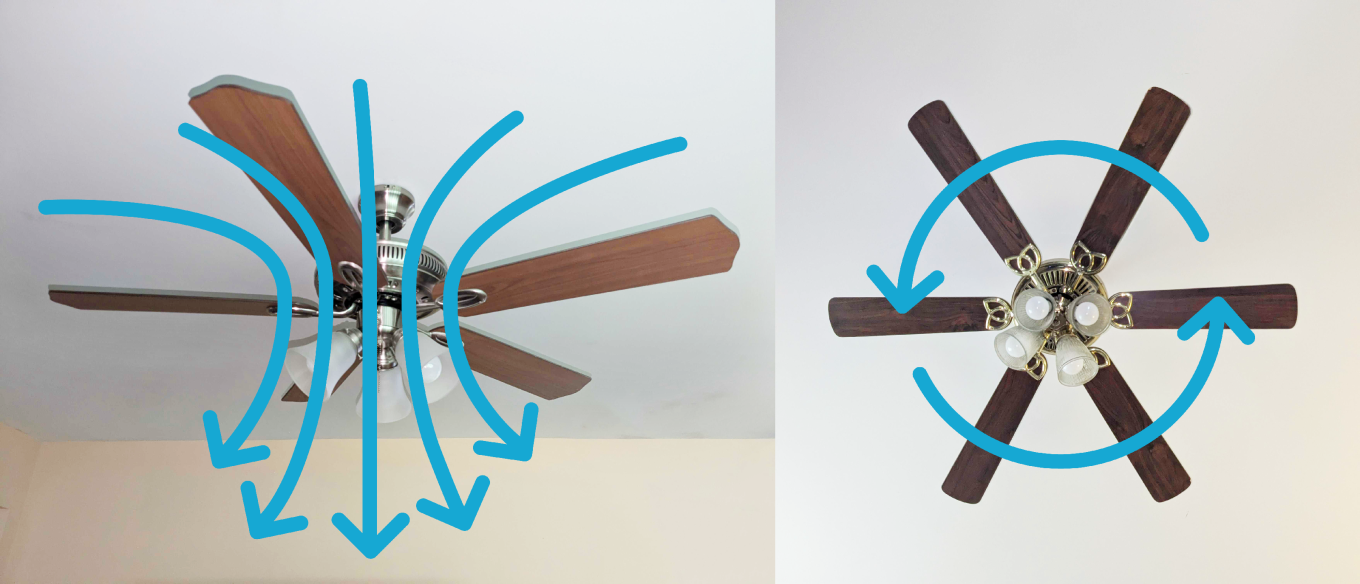
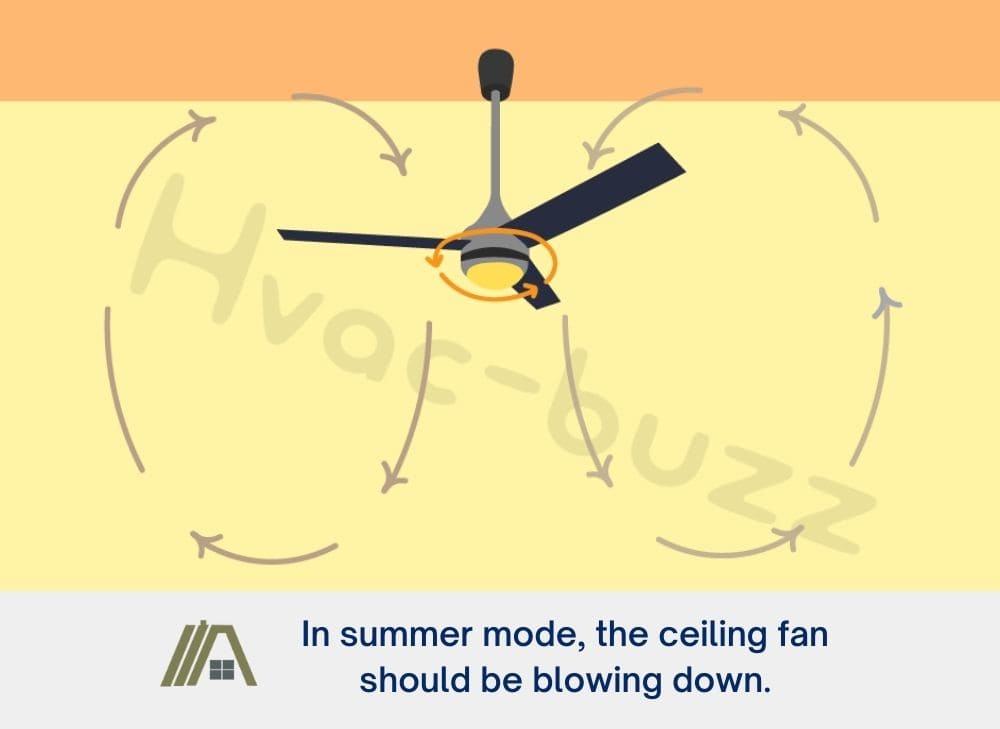
Here's the simple answer: In the summer, your ceiling fan should be spinning counterclockwise when you're looking up at it. This forces the air downward, creating a lovely breeze. This breeze doesn't actually cool the air (unless you're dealing with some seriously advanced, futuristic fan technology), but it cools you.
Must Read
Think of it like this: imagine you're fresh out of the shower on a hot day. The water evaporates, and you feel cooler, right? Well, the fan is helping your sweat evaporate faster, which creates that glorious, refreshing coolness. It's like having a tiny, tireless friend dedicated to personally fighting off your body heat.
Ever walk into a room and feel that immediate relief when the fan is blowing down? That's the magic we're talking about. It's the difference between feeling like a damp dishcloth and feeling, well, slightly less like a damp dishcloth.

Why Does Direction Matter? It's All About the "Windchill" (Sort Of)
It's not technically windchill, because windchill refers to the apparent temperature felt by exposed skin in cold weather. But the principle is similar. The moving air whisks away the layer of warm air that's right next to your skin. It's the same reason you might feel chilly standing in front of an open freezer, even though the freezer itself isn't directly touching you.
So, the counterclockwise direction creates that artificial "windchill" effect, making you feel cooler even if the actual room temperature hasn't changed. It’s all about tricking your body into thinking it's not quite as sweltering as it really is. Genius, right?

How to Check Your Fan's Direction (Because Sometimes They're Confusing)
Most ceiling fans have a little switch on the motor housing. It's usually a small slider that goes either "up" or "down," or sometimes has little arrows indicating the direction of airflow. Fiddle with it! Experiment! It's like a little puzzle, except the reward is not brainpower, but blissful coolness.
Here's a pro-tip: Stand directly under the fan. Turn it on low. Feel the air. Is it blowing down? You're good to go! Is it blowing up? Flip that switch, my friend, and prepare for a world of difference.

And if you still can't figure it out, there's no shame in consulting the instruction manual. Or, you know, YouTube. There's a video for everything these days, including the intricate art of ceiling fan direction. Don’t be afraid to ask for help. We’ve all been there.
Bonus Tip: Combine With Air Conditioning for Maximum Chill
Ceiling fans aren't miracle workers. They won't turn your stuffy attic into an arctic oasis. But, when used in conjunction with air conditioning, they can make a huge difference. Run the fan and raise the thermostat a few degrees. The fan will circulate the cool air more effectively, so you won't need to run the AC as hard. You save energy and money! It's a win-win!
So, there you have it. Ceiling fans in the summer: set them to counterclockwise (usually). Enjoy the breeze. And try not to think too much about the dust bunnies lurking on the blades. Ignorance is bliss, especially when you're trying to stay cool.