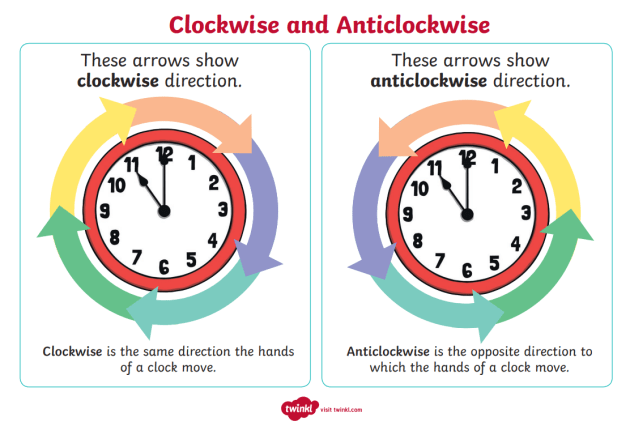
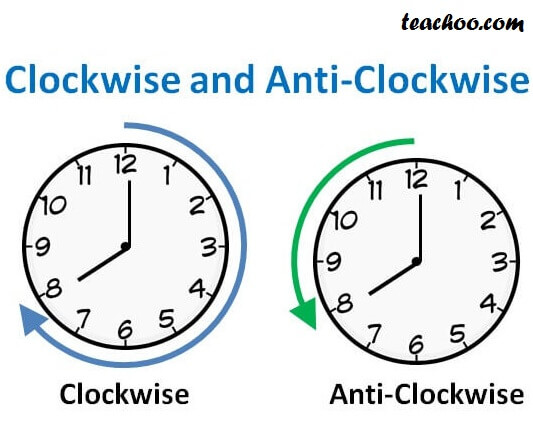
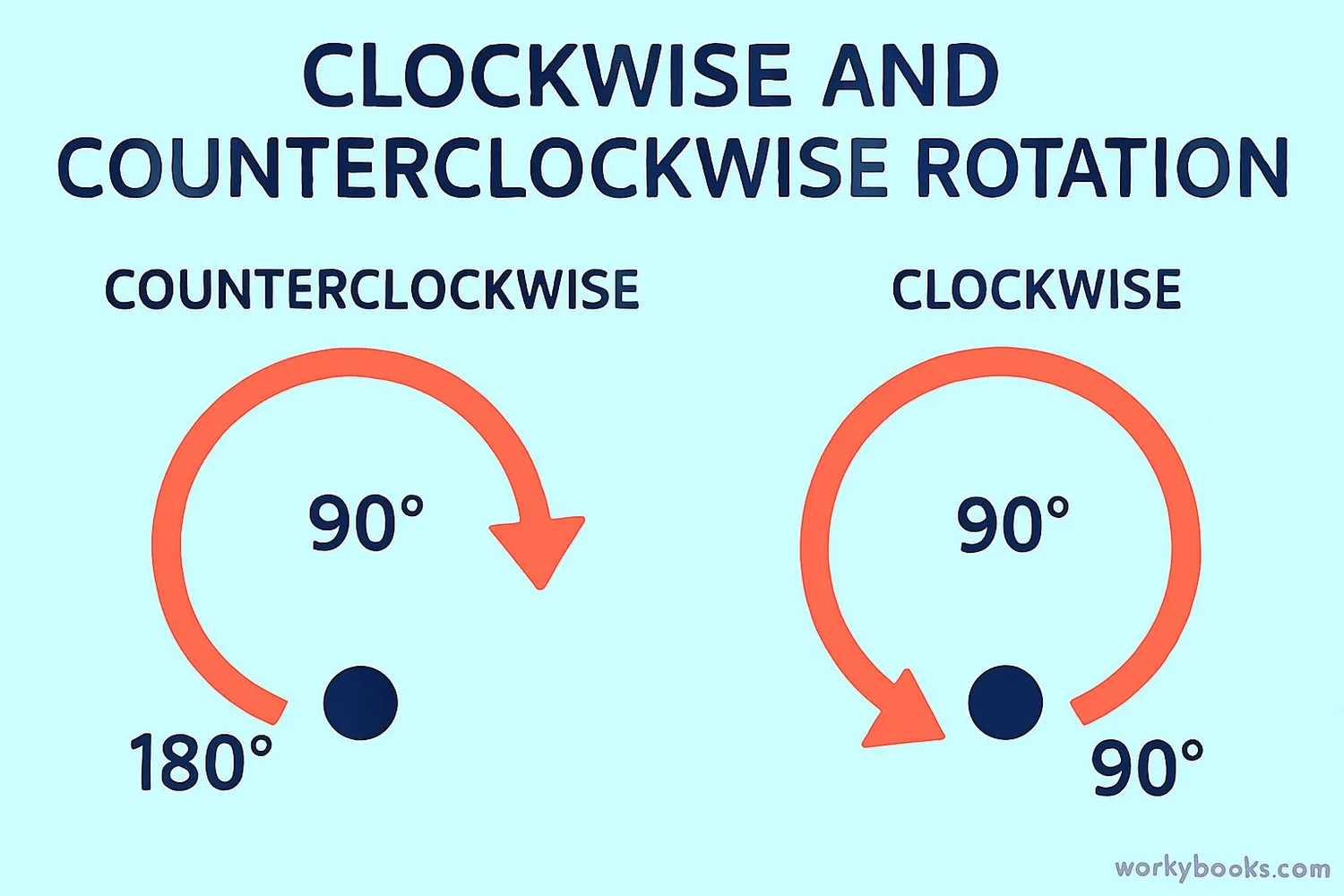
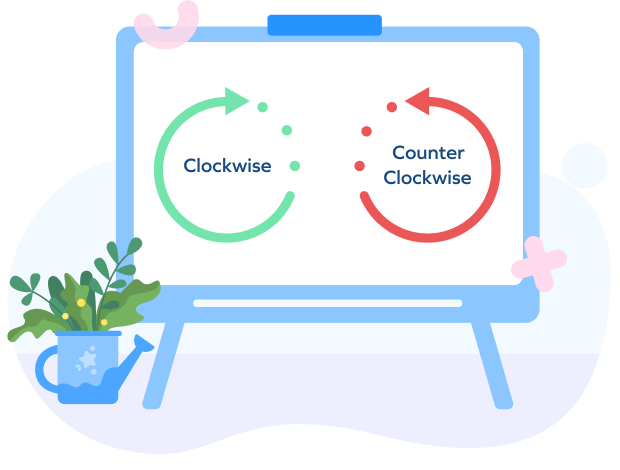
Which Way Is Counter Clock Wise
In a world that often encourages us to follow the beaten path, there's a quiet revolution brewing, one that invites us to pause, ponder, and perhaps, spin things in a different direction. We’re talking about the delightful, often surprising, philosophy of asking: Which Way Is Counter Clock Wise? It’s not about literal timepieces, but a playful metaphor for embracing alternative perspectives, challenging assumptions, and finding fresh, innovative ways to approach creativity. This mindset is gaining traction because it’s a brilliant way to unstick ourselves from creative ruts and discover genuinely unique outcomes.
The benefits of adopting this "counter-clockwise" approach are as varied as they are vibrant. For artists, it’s a powerful antidote to creative blocks, pushing them beyond their comfort zones to explore new mediums, styles, or subjects. Imagine a landscape painted from the perspective of an ant, or a portrait that defies gravity! Hobbyists find renewed passion in familiar crafts, turning traditional knitting patterns into avant-garde sculptures or reimagining classic recipes with exotic ingredients. And for the casual learner, it’s an invitation to develop critical thinking, problem-solving skills, and a healthy dose of curiosity. It teaches us that there’s rarely just one right way, opening doors to a world of personal expression and original thought.
So, what does this look like in practice? Imagine a photographer deciding to shoot a bustling city scene at night, but only focusing on the shadows, or a writer crafting a fairy tale told from the villain's perspective. In painting, it could be using only complimentary colors, or painting the background before the foreground. For a baker, it might be baking a cake inside out, or decorating it with savory ingredients. Even in everyday problem-solving, applying a counter-clockwise mindset means asking: "What if we did the exact opposite of what’s expected?" or "What’s the most unconventional solution possible?" The possibilities are endless, and the results are often delightfully unexpected, injecting a jolt of individuality into whatever you create.
Must Read
Ready to try spinning things in reverse at home? Here are a few lighthearted tips. First, try the "Flip It" challenge: take a familiar subject and literally or figuratively turn it upside down. Draw your pet with their head where their tail should be, or write a short story where the ending happens at the beginning. Second, embrace "Unconventional Tools": if you usually paint with brushes, try sponges, twigs, or even your fingers. If you sew, experiment with found objects instead of fabric. Third, "Mix and Mingle": combine two completely unrelated hobbies or concepts. Could you write a haiku about quantum physics? Or sculpt a vase out of old tech gadgets? The key is to let go of perfectionism and simply play. There’s no wrong answer when you’re deliberately going against the grain.
Ultimately, engaging with the "Which Way Is Counter Clock Wise" philosophy is profoundly enjoyable because it reconnects us with the sheer fun of discovery. It’s about breaking free from mental constraints, celebrating individuality, and discovering the sheer joy that comes from creating something truly unique. It reminds us that creativity isn't just about following rules; it's often about knowing when and how to gently break them, leading to outcomes that are not only surprising but deeply satisfying. So, go ahead – take a creative detour, explore the unconventional, and see where your counter-clockwise journey takes you!