Which Way For The Fan In Summer

Ah, summer! The sun is shining, the days are long, and the heat can sometimes feel a little... too long. When the mercury rises, many of us reach for that trusty electric fan, hoping for a much-needed breeze. But have you ever paused to wonder if you're truly getting the most out of your whirring wonder? This isn't just about feeling a gust of air; it's about understanding the subtle science of airflow to make your home a truly comfortable oasis. It's a fun, little life hack that can make a big difference in your comfort and even your energy bill, proving that sometimes, the simplest solutions are the most ingenious.
Understanding which way to point your fan is a game-changer for everyone. For beginners, it’s about learning that a fan doesn't actually cool the air itself, but rather cools you by creating a wind-chill effect or by ventilating. This simple knowledge can transform a stuffy room into a pleasant space without cranking up the AC. Families will find this invaluable for keeping living areas comfortable during the day or ensuring bedrooms are cool enough for a good night's sleep for the kids (and themselves!) without racking up huge electricity costs. Even those who consider themselves home comfort hobbyists will appreciate these nuances, allowing them to optimize their indoor climate, perhaps even combining fan usage with open windows for a perfectly orchestrated cross-breeze.
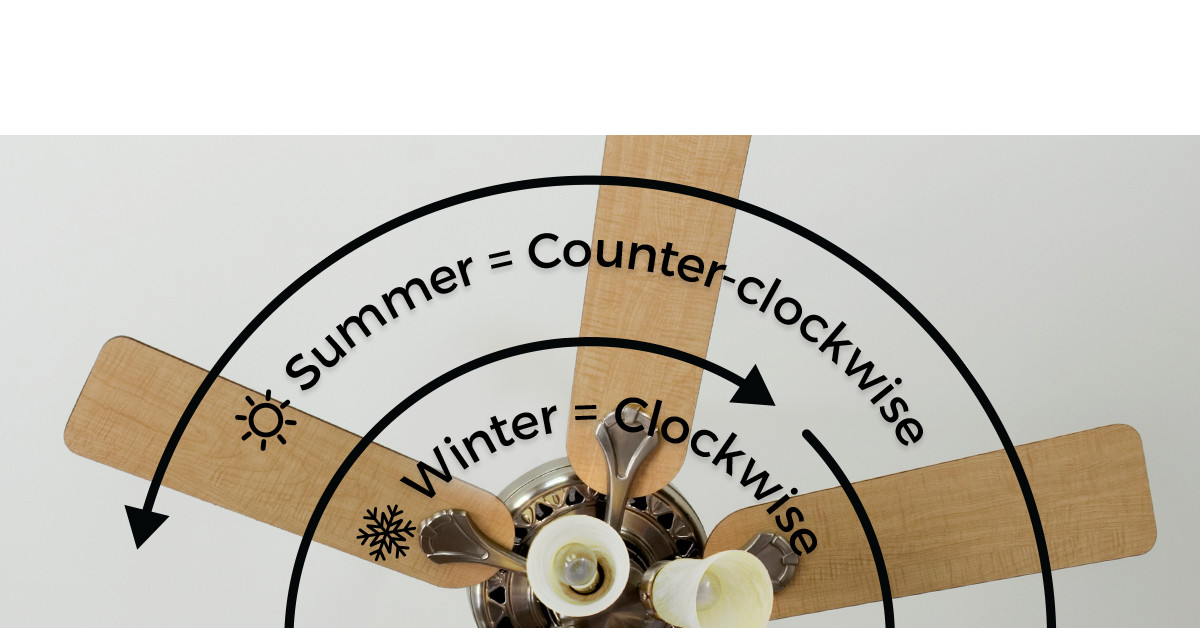
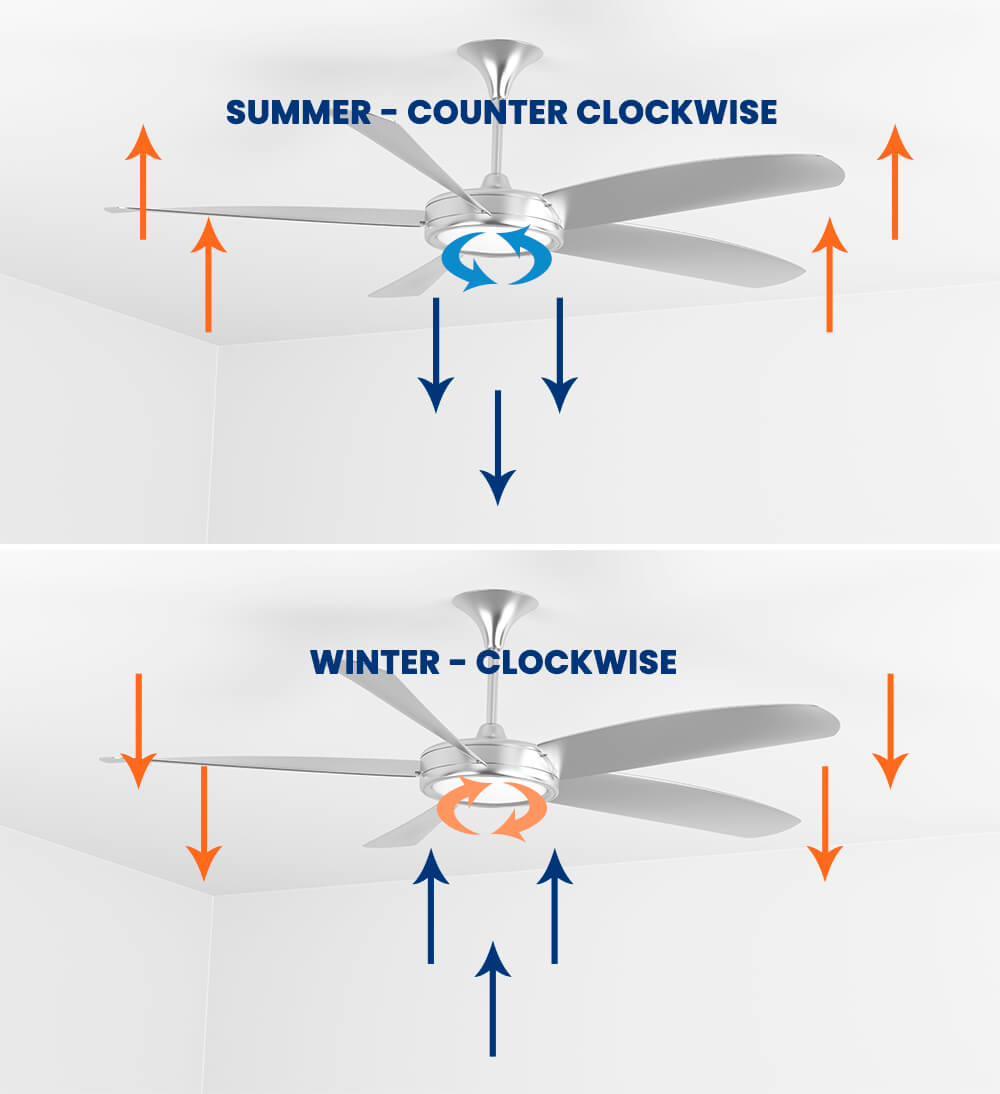
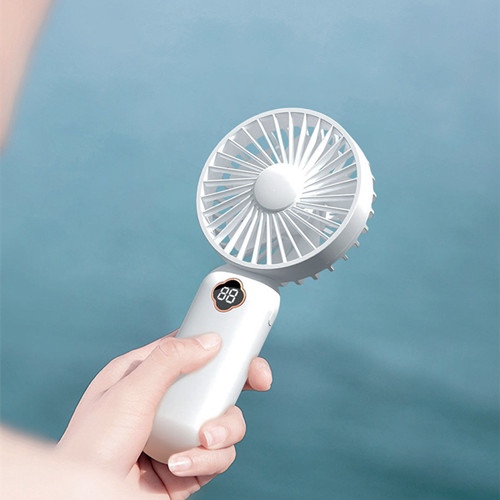
There are a few key ways to direct your fan, each with its own benefits. The most common is positioning the fan to blow air directly onto you. This creates a personal wind-chill effect, making you feel cooler as sweat evaporates from your skin. It's fantastic for individual comfort while working or relaxing. Another powerful strategy involves using a fan to exhaust hot air out of a room. Place a fan in a window, facing outwards, to push stale, warm air outside. This is particularly effective in the evenings when outside temperatures begin to drop, allowing you to draw cooler night air in through another open window on the opposite side of the room. And don't forget the versatile ceiling fan; make sure its blades are rotating counter-clockwise in summer to push air downwards and create that breezy effect!
Must Read
Ready to put these ideas into practice? Here are some simple, practical tips to get you started. Firstly, during the hottest part of the day, keep windows and blinds closed to trap cooler air inside. Once the sun starts to set and the outside temperature drops, open windows on opposite sides of your house or apartment. Then, strategically place a fan (or two!) to either pull in cooler air from the shadier, cooler side of your home or to push out warmer air from the hotter side. For an extra boost, try placing a shallow bowl of ice or a frozen water bottle in front of a fan blowing directly at you – it creates a surprisingly effective blast of chilly air. Regularly clean your fan blades too, as dust build-up can reduce efficiency.
By making these small adjustments to how you use your fans, you're not just moving air around; you're actively engineering a more comfortable living environment. It’s a wonderful feeling to harness simple physics to beat the heat, giving you a sense of control and resourcefulness. So, go ahead, experiment with your fan's direction, and enjoy a smarter, cooler, and more economical summer. You'll be amazed at the difference a little directional thinking can make!