Ah, the gentle hum and steady whir of a ceiling fan! There’s something uniquely comforting about these silent guardians of our indoor climate. As the mercury rises and the sun beats down, many of us turn to our trusty ceiling fans for that much-needed whisper of a breeze. They're more than just a decorative fixture; they're an integral part of keeping our living spaces comfortable and refreshing.
The beauty of a ceiling fan lies in its elegant simplicity and the tangible benefits it brings to everyday life. It doesn't just push air around; it creates a delightful wind-chill effect, making you feel cooler without actually lowering the room's temperature. This translates to significant energy savings, as you can often set your air conditioner a few degrees higher or even forgo it entirely on milder days. Whether it's installed in a cozy bedroom, a bustling kitchen, or a lively living room, a ceiling fan ensures that stale air is banished, replaced by a constant, gentle circulation that just feels... fresher. They are the unsung heroes of domestic tranquility, allowing us to relax, work, and sleep in greater comfort.
You’ll find these helpful devices virtually everywhere. From your own home, making movie nights on the couch more bearable and ensuring a peaceful night's sleep, to offices where they help maintain a pleasant work environment. Even on outdoor patios, specialized ceiling fans extend the usability of these spaces, turning what might otherwise be too hot an area into a delightful spot for an evening gathering. They're a simple, yet incredibly effective, tool for enhancing personal comfort in a variety of settings.
But here’s where the fun really begins – optimizing your ceiling fan for peak performance, especially during those sweltering summer months. Many people set it and forget it, unaware that their fan has a secret weapon: a switch that dictates its direction. And getting this right is the key to truly harnessing its power for comfort.
Which Way To Have Ceiling Fan Turn In Summer | Americanwarmoms.org
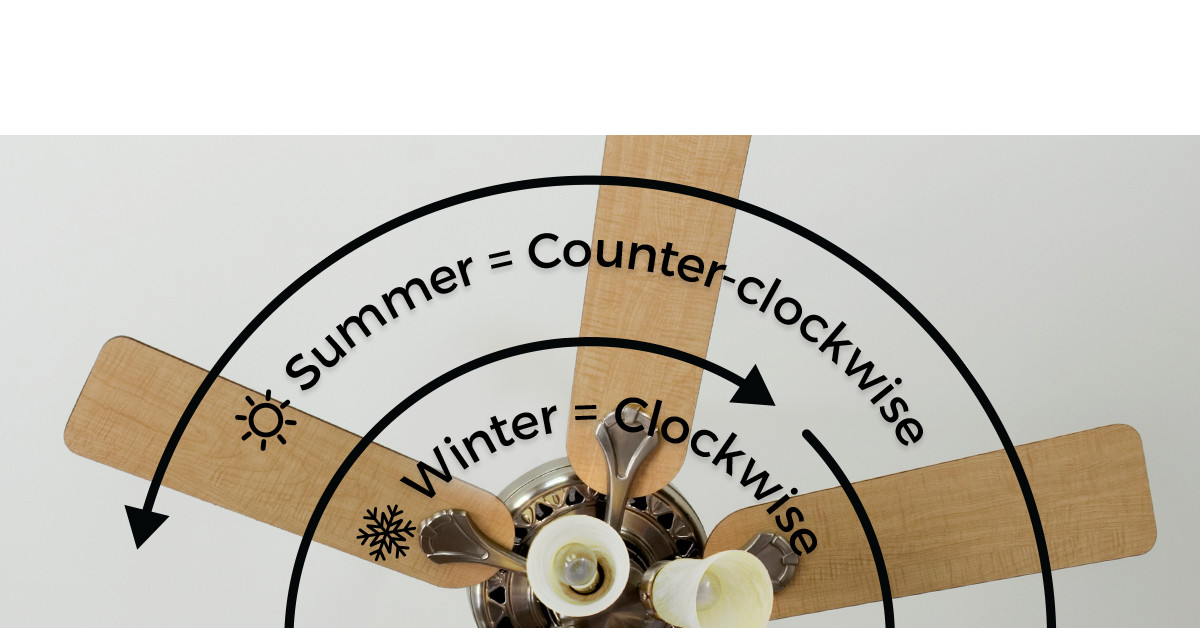
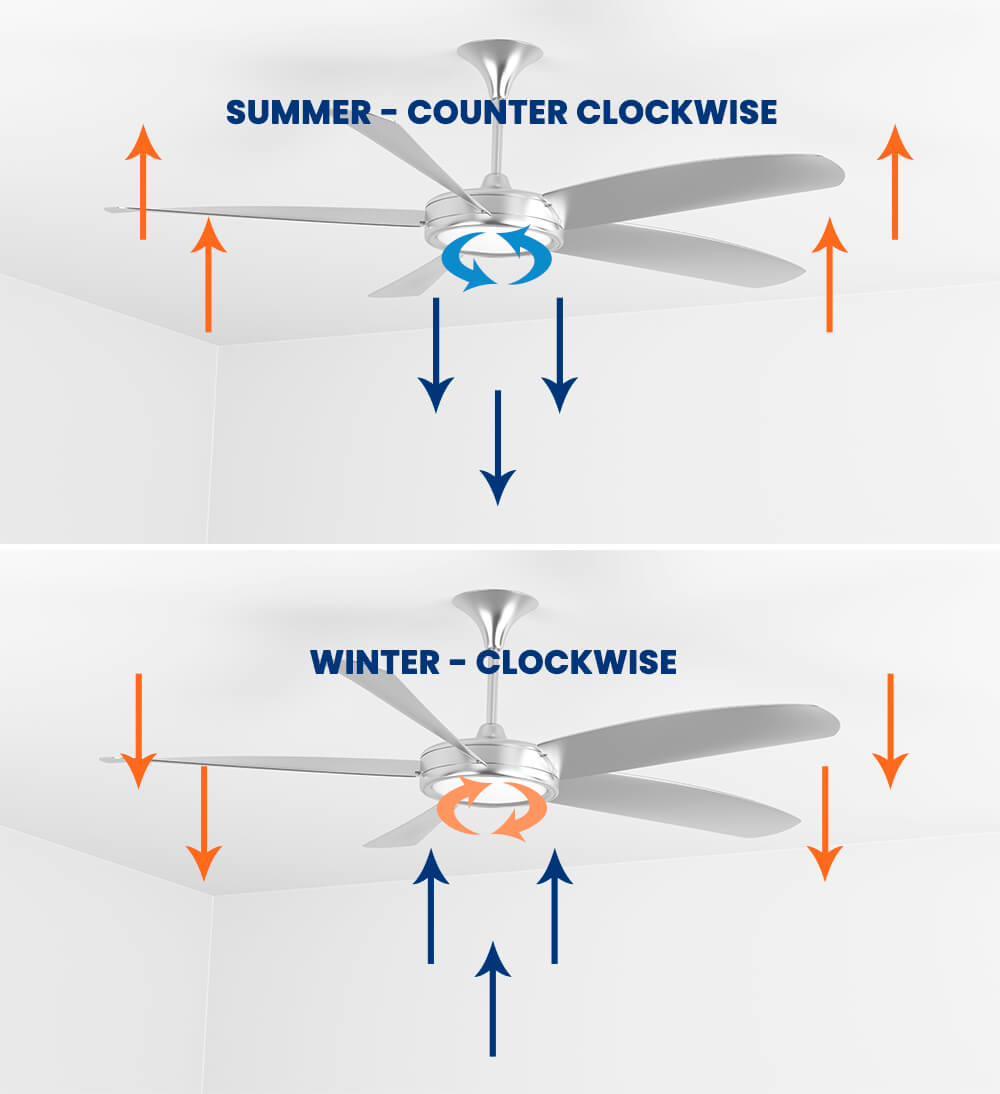
For summer, you want your ceiling fan blades to spin counter-clockwise. Imagine looking up at the fan; the blades should be moving from left to right. This creates a downward airflow, pushing cool air directly onto you and creating that glorious wind-chill effect. It’s like a personalized breeze, making you feel several degrees cooler, even if the thermometer hasn't budged. This is the most effective way to use your ceiling fan for cooling.
You’ll usually find a small switch on the motor housing of the fan itself – a little toggle that lets you change the direction. Make sure your fan is off before you flick this switch! Once you’ve set it to counter-clockwise for summer, feel free to crank up the speed for maximum breezy goodness. A higher speed means more air movement and a more pronounced cooling sensation.
Summer Ceiling Fan Direction | Americanwarmoms.org
Just for context, in the winter, you’d want your fan to spin clockwise. This pulls air upwards, drawing warmer air (which naturally rises) down along the walls and back into the living space, helping to destratify the room and redistribute heat. But for now, let's focus on defeating the summer heat!
Finally, a quick practical tip: a dusty fan is an inefficient fan. Make it a habit to regularly clean your fan blades. Dust and grime can accumulate, adding weight and potentially hindering performance. A clean fan not only looks better but also moves air more effectively and efficiently. So, go forth, check that switch, feel the breeze, and enjoy a much cooler, more comfortable summer!