
Which Way For Fan To Blow Down
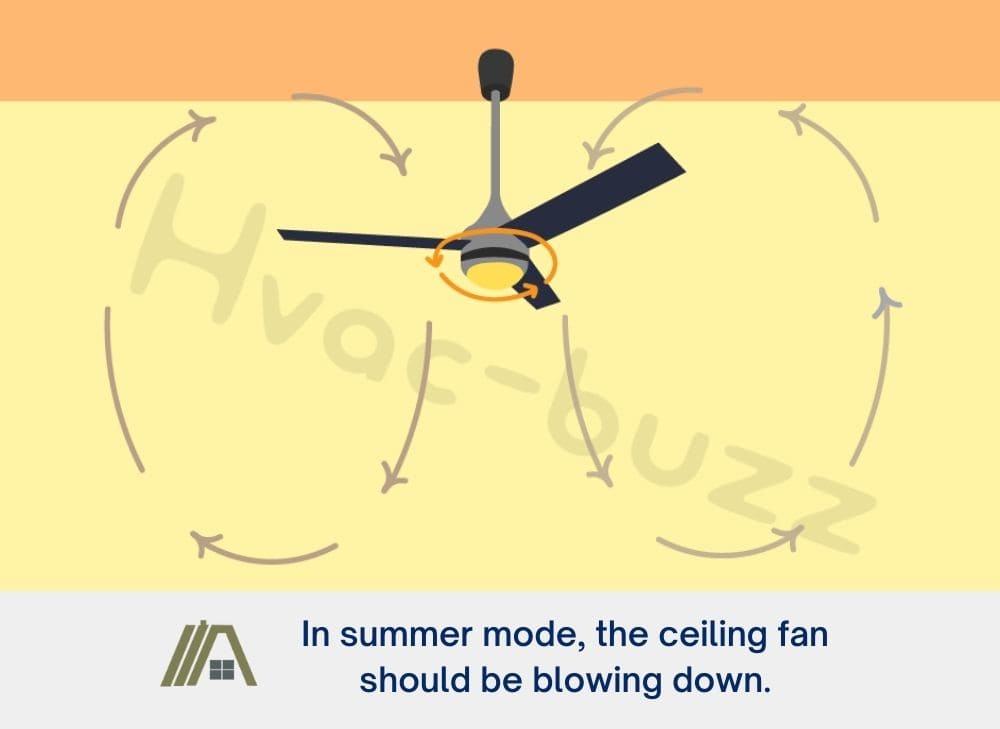
Ah, the humble fan. Our trusty sidekick in the never-ending battle against the sticky, oppressive heat. It whirs, it hums, it promises a whisper of relief.
But have you ever stopped to truly consider its deepest secret? Its ultimate purpose? The very direction of its breezy, mechanical soul?
Many folks just plop a fan down and let it do its thing. Some even point it vaguely upwards, hoping for some magical ceiling bounce, or worse, just letting it blast air across the room.
Must Read
I’m here to tell you, dear reader, that you’ve been living a lie. A comfortable, slightly-less-than-optimal lie that robs you of true cooling bliss.
It's time to talk about the truly correct, unequivocally superior way for a fan to blow. And that way, my friends, is down.
The Downward Dogma: Why Blowing Down Reigns Supreme
Imagine this: a sweltering summer day. You walk into a room, and the air just sits there, heavy and thick like a forgotten blanket. It clings to you, refusing to budge.
What you need isn't just movement; you need a decisive, authoritative gust. A blast that says, "Move aside, stagnant air! There’s a new sheriff in town, and it’s blowing downwards!"
When a fan blows down, it creates a glorious column of moving air. This column acts like a personal, invisible air conditioner, tailored just for you.
It hits your skin directly, carrying away that horrid sticky feeling. It’s focused, it’s effective, and it feels absolutely, undeniably right.
This isn't just about moving air. It's about delivering a targeted strike against your personal heat discomfort. A surgical operation of cool air.
The Ceiling Fan Conundrum
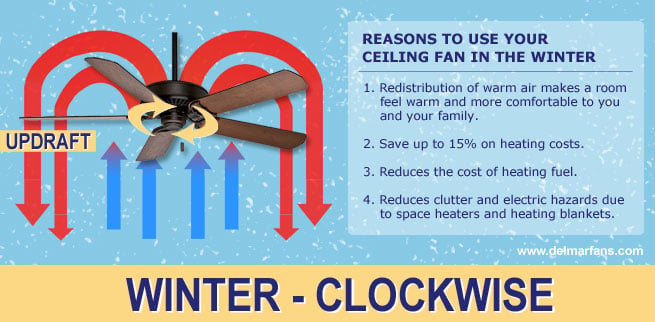
Let's tackle the biggest offender first: the ceiling fan. For eons, we’ve been told they should gently pull air upwards in summer. To “circulate” the room.
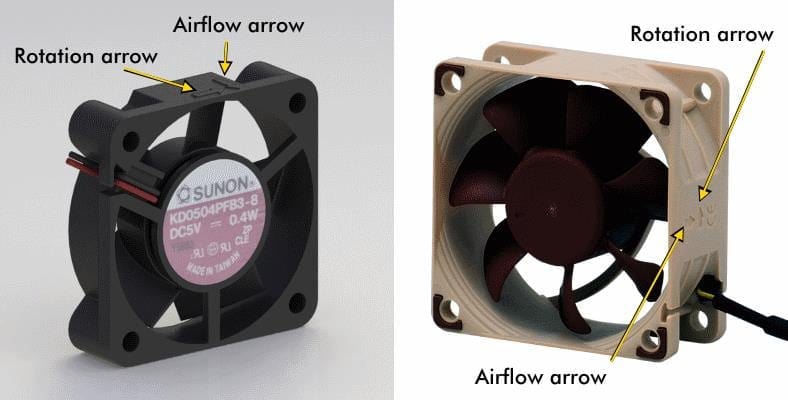
But I ask you, when has gently nudging hot air up ever made you feel genuinely refreshed? It’s like trying to cool a steaming cup of coffee by stirring it with a feather.
No, the true path to ceiling fan bliss is simple. Set those blades to push air down. Period.
“Forget the old wisdom. The new wisdom is a delightful downward draft. It’s like a cool waterfall, but without the inconvenient wetness, or the annoying splash.”
The difference is instantaneous and profound. You feel that lovely breeze wash over you, cooling your skin directly where it matters most.
It's not about merely circulating hot air; it's about making you feel better. It's about creating your personal cool zone, right where you stand or sit.
This isn't just circulation; it’s a personal air delivery system. It’s focused, it’s intentional, and it’s gloriously effective at banishing the heat.
Try it. Flip that switch. Feel the difference. The revelation is often accompanied by an audible sigh of relief. You'll wonder why you ever doubted it.
Standing Tall, Blowing Down
What about your trusty standing fan? The one that usually sits awkwardly in a corner, oscillating wildly and blasting air aimlessly across the room?
Instead of hoping its scattered breeze eventually finds you, position it strategically. Aim it so the powerful stream of air is directed downwards, towards your prime relaxation zone.

Are you on the sofa, scrolling through cat videos? Direct it towards your lap and chest. Working at a desk? Let it bathe your workspace in a refreshing cascade.
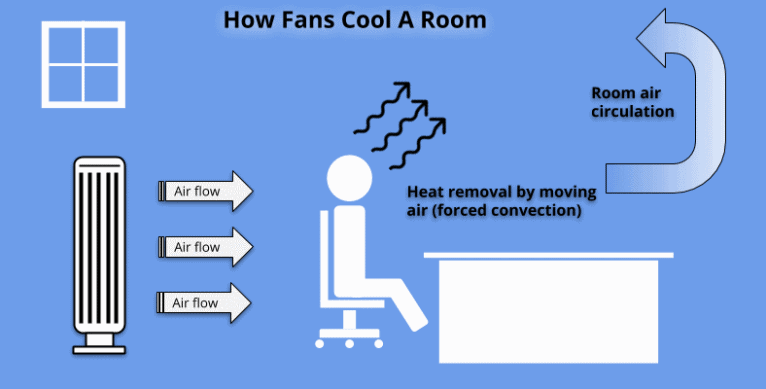
This isn't about cooling the room; it's about cooling the person occupying the room. And the most efficient way to cool a person is with a direct, downward gust.
Think of it as your personal cooling halo. A localized weather system, designed by you, for you. It’s efficient, it’s effective, and it saves energy by focusing its efforts.
No more chasing elusive breezes. The breeze comes to you, precisely where you need it, thanks to the magic of the downward blow.
The Desk Fan’s Descent
Even the smallest desk fan can join the downward revolution. Forget pointing it directly at your face, causing papers to fly, dry eyes, and that slightly alarming wind-tunnel effect.
Angle it slightly so the air brushes over your hands, then down your arms, and perhaps subtly across your chest. This creates a much more pleasant, less intrusive cool.
It’s like a miniature, personal air current, perfectly sculpted to your immediate comfort. Gentle, yet incredibly effective for those long work sessions.
The key is understanding that hot air rises. So, by pushing cooler, fanned air down, you’re creating a more comfortable layer where you actually exist.
You're not fighting physics; you're using it to your advantage. You're creating a pocket of personal comfort right where you need it most, without causing a hurricane on your desk.
This subtle, yet powerful, technique transforms a disruptive blast into a comforting caress of cool air. It’s a game-changer for desk-bound warriors.
The Logic of the Lower Layer
Some might argue, "But isn't the ultimate goal to move the hot air out of the room?" And yes, eventually. But first, the immediate, crucial goal is to make you feel cool.
By forcing air down, you create a dynamic flow at your level. This displaces the warmer, lighter air upwards, allowing it to dissipate more easily through windows or vents.
It's like pressing down on a sponge. You’re not just moving water around on the surface; you’re pushing the old, stale stuff out, making way for new sensation and true relief.
Think of it as creating a constant, personal updraft for your discomfort. A direct assault on the oppressive atmosphere around your very being.
“Don’t just waft. Don’t just circulate. Command the air. Tell it exactly where to go – straight down onto your grateful self, for maximum relief and minimal fuss.”
This isn't just about feeling a breeze. It's about feeling a purposeful breeze. A breeze that knows its job and executes it flawlessly, every single time.
The joy of a downward-blowing fan is the sheer simplicity of it. No complex algorithms, no fancy gadgets required. Just pure, unadulterated comfort delivered directly.
It’s an understanding of how air works, and more importantly, how you work. Your body craves that direct contact, that immediate sensation of relief.
Unveiling the True Breeze
Remember that glorious feeling of a fresh gust of wind hitting you on a warm day? It doesn't usually drift up from your feet; it comes at you, then often washes down over you, bringing instant relief.
That's the natural sensation we're trying to replicate, improve upon, and deliver on demand. The invigorating sweep of air that clears the cobwebs and cools the skin efficiently.
When a fan blows down, it mimics this natural phenomenon beautifully. It’s not just moving air aimlessly; it’s delivering a comforting, natural experience straight to you.
So, the next time you face a sticky room, resist the urge to point your fan aimlessly. Or worse, upwards, in some misguided attempt at "circulation" that yields little personal benefit!
Take control. Point that fan with conviction. Let it blast its glorious, cooling air down upon you. You are the target, and comfort is the mission.
You’ll feel an immediate difference. A sense of profound relief, a moment of triumph over the heat. It’s a simple shift, but a truly profound one for your well-being.
Join the movement, literally. Embrace the power of the downward blow. Your comfort will thank you, and you’ll wonder how you ever lived any other way during those hot spells.
It’s not just a fan; it’s a lifestyle choice. A choice for direct, undeniable, deliciously cool air, delivered exactly where you need it, when you need it most.