
Which Way For A Fan In Summer
Hot summer days are here, and with them, the age-old quest for coolness! While air conditioning is a luxurious escape, for many of us, the humble electric fan is our trusty companion in the battle against the heat. But have you ever stopped to wonder if you're using your fan to its absolute best potential? It’s not just about pointing it at yourself; there’s a surprising amount of science and strategy behind getting the most out of your breeze machine. Unlocking your fan's full power can make a significant difference, saving you money and keeping you much more comfortable. Let's dive into how to turn your fan from a simple air-mover into a smart cooling wizard!
Fans don't actually cool the air like an air conditioner does. Instead, they work by creating airflow, which helps our bodies cool down in a couple of key ways. Firstly, the moving air helps evaporate sweat from our skin, and as sweat evaporates, it takes heat with it, making us feel cooler. Secondly, a gentle breeze simply makes the air feel less stagnant and more refreshing. The biggest benefit? They're incredibly energy-efficient compared to AC, making them a fantastic choice for those looking to stay cool without breaking the bank or taxing the grid.
So, which way should it go? It largely depends on the temperature inside your home versus outside. Let’s talk about strategy number one: bringing cool air in. If the air outside is noticeably cooler than the air inside your room – think breezy evenings or cool summer nights – then position your fan to face inward through an open window. This essentially acts as an intake, drawing that delightful cooler outdoor air directly into your space, creating a refreshing flow. For maximum effect, open a window on the opposite side of the room or house to allow the warmer indoor air an escape route, creating a lovely cross-breeze. This method is all about welcoming nature's cool embrace.
Must Read
Now for the less intuitive, but often more effective, strategy: pushing hot air out. This is your go-to move when the air inside your room is significantly hotter than the air outside, especially during peak afternoon heat or when a room feels particularly stuffy. Here, you'll want to place your fan facing outward, positioned in an open window. The fan will then work to exhaust the hot, stale indoor air, effectively sucking it out of your room. This creates a negative pressure inside, naturally drawing in cooler, fresher air from other open windows or doors elsewhere in your home. This method is particularly useful for ventilating a stuffy room, removing lingering cooking smells, or just getting rid of that oppressive trapped heat.
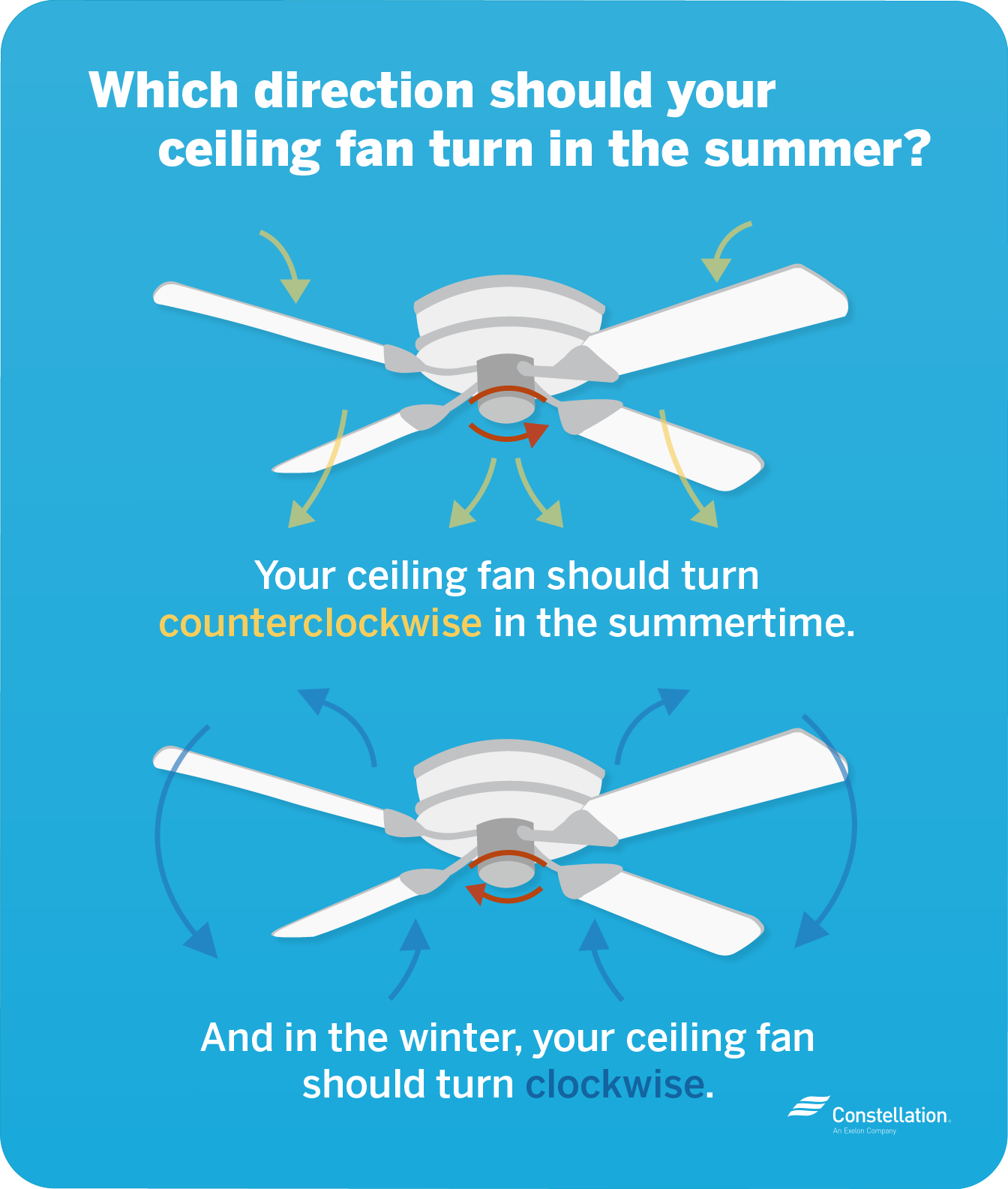
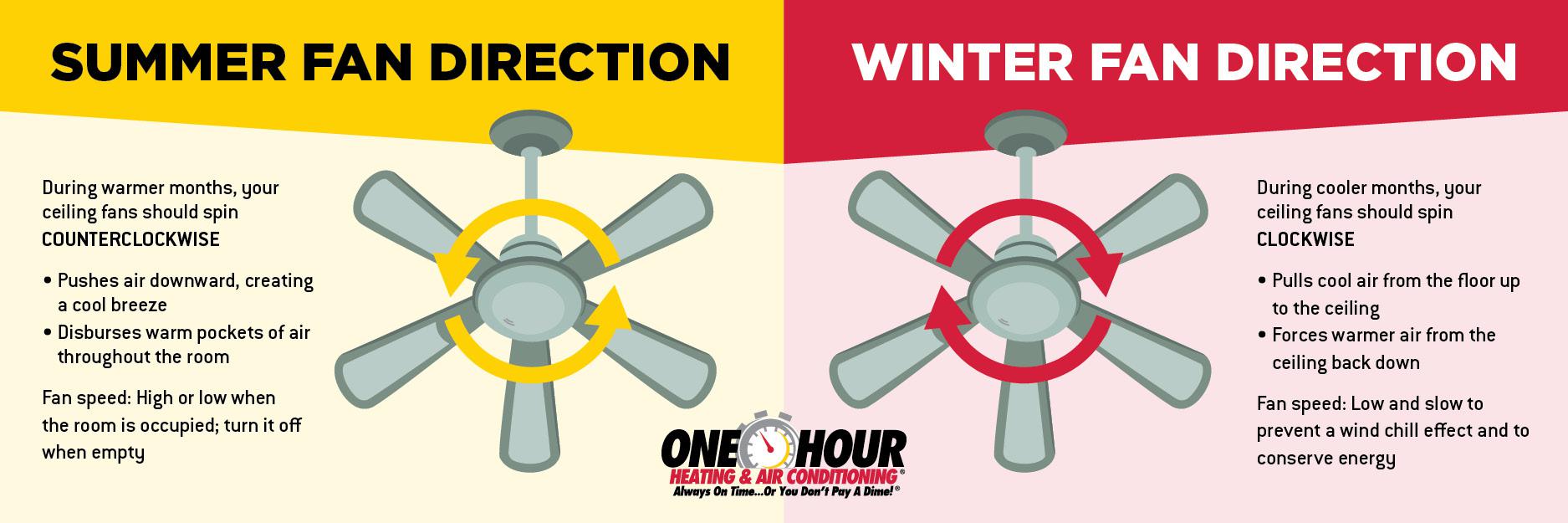
Don't forget about your ceiling fans either! In summer, ensure they are rotating counter-clockwise at a higher speed to push air down, creating a cooling downdraft. In essence, the best direction for your fan isn't a fixed rule; it's a dynamic decision based on the immediate environment. To truly master summer cooling, remember to think about overall air movement, not just air blasting. By strategically positioning your fans to either draw in cooler outside air or expel warmer indoor air, you’ll not only feel more comfortable but also make the most of this simple, powerful appliance. So go ahead, experiment with your fan's direction, and enjoy a smarter, cooler summer!


:max_bytes(150000):strip_icc()/ceiling-fan-rotate-direction-1907533-v4-5ba94e6346e0fb002576cebf.png)