Which Way For A Ceiling Fan To Turn In Summer
Ah, the sweet relief of a summer breeze! Whether you’re lounging on the couch with a good book, whipping up a culinary masterpiece in the kitchen, or just trying to survive another sweltering afternoon, nothing quite beats the gentle whoosh of a ceiling fan. It’s a simple pleasure, a silent warrior in the battle against summer’s oppressive heat. We all love them, but are you sure you're using yours correctly?
The primary benefit of a ceiling fan is obvious: it helps us feel cooler. But it does this in a rather clever way. Unlike an air conditioner which actively lowers the temperature, a ceiling fan creates a wind-chill effect. By circulating the air, it moves the warm, humid air that clings to our skin, allowing perspiration to evaporate more readily. This evaporation process pulls heat away from our bodies, making us feel significantly cooler, even if the actual temperature of the room hasn't changed. Think of it like a personal, localized breeze machine! This also allows you to potentially raise the thermostat a few degrees, saving energy and money on your electricity bill – a win-win!
You’ll find ceiling fans in just about every room these days. Living rooms and bedrooms are common placements, providing comfortable airflow for relaxation and sleep. Kitchens benefit from the added ventilation, helping to clear out cooking odors and prevent stuffiness. Even patios and porches can be enhanced with outdoor-rated ceiling fans, extending the usability of these spaces during warmer months. Many modern fans also come with built-in lighting, making them a convenient and stylish all-in-one solution for both illumination and climate control.
Must Read
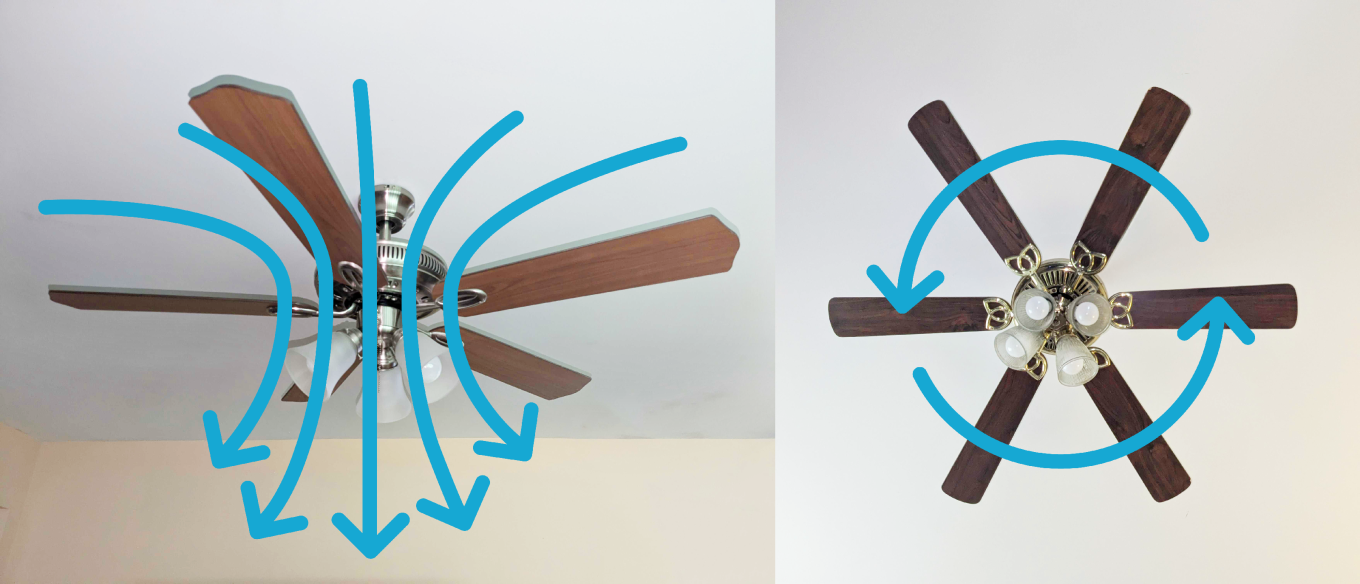
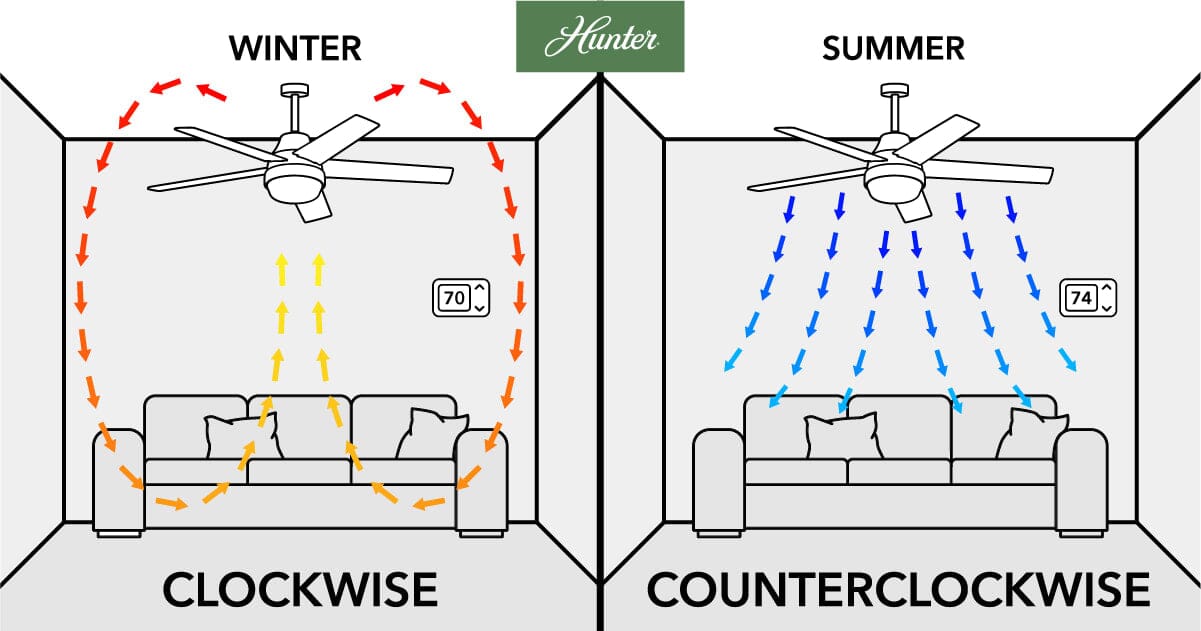
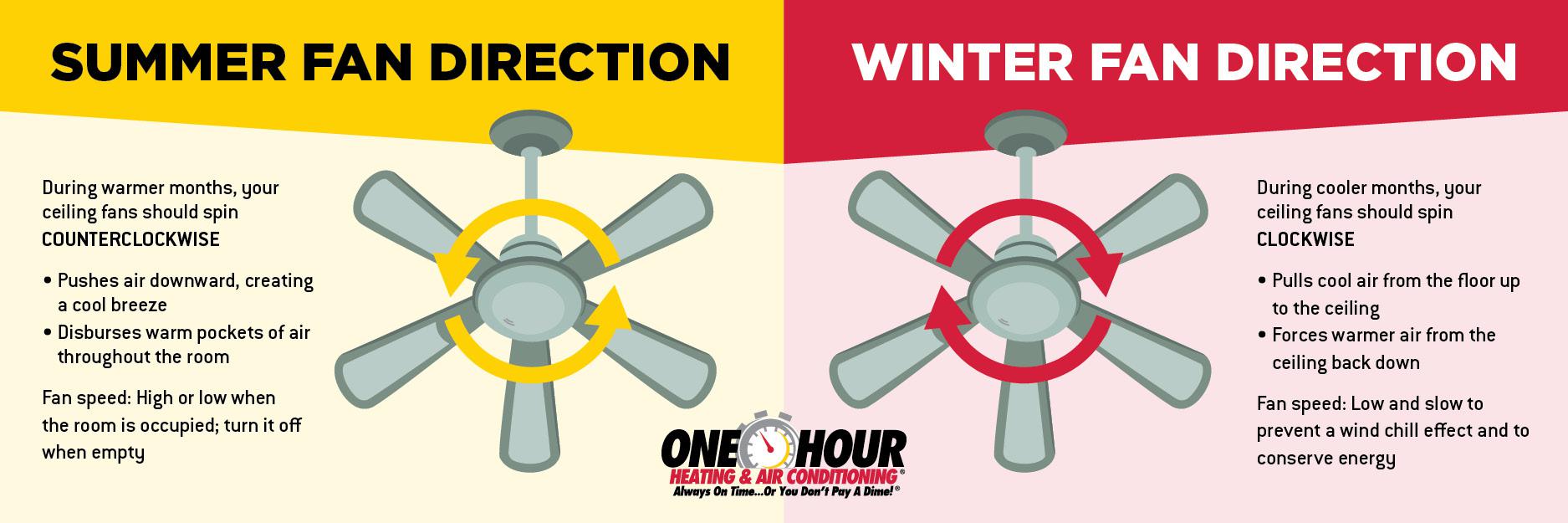
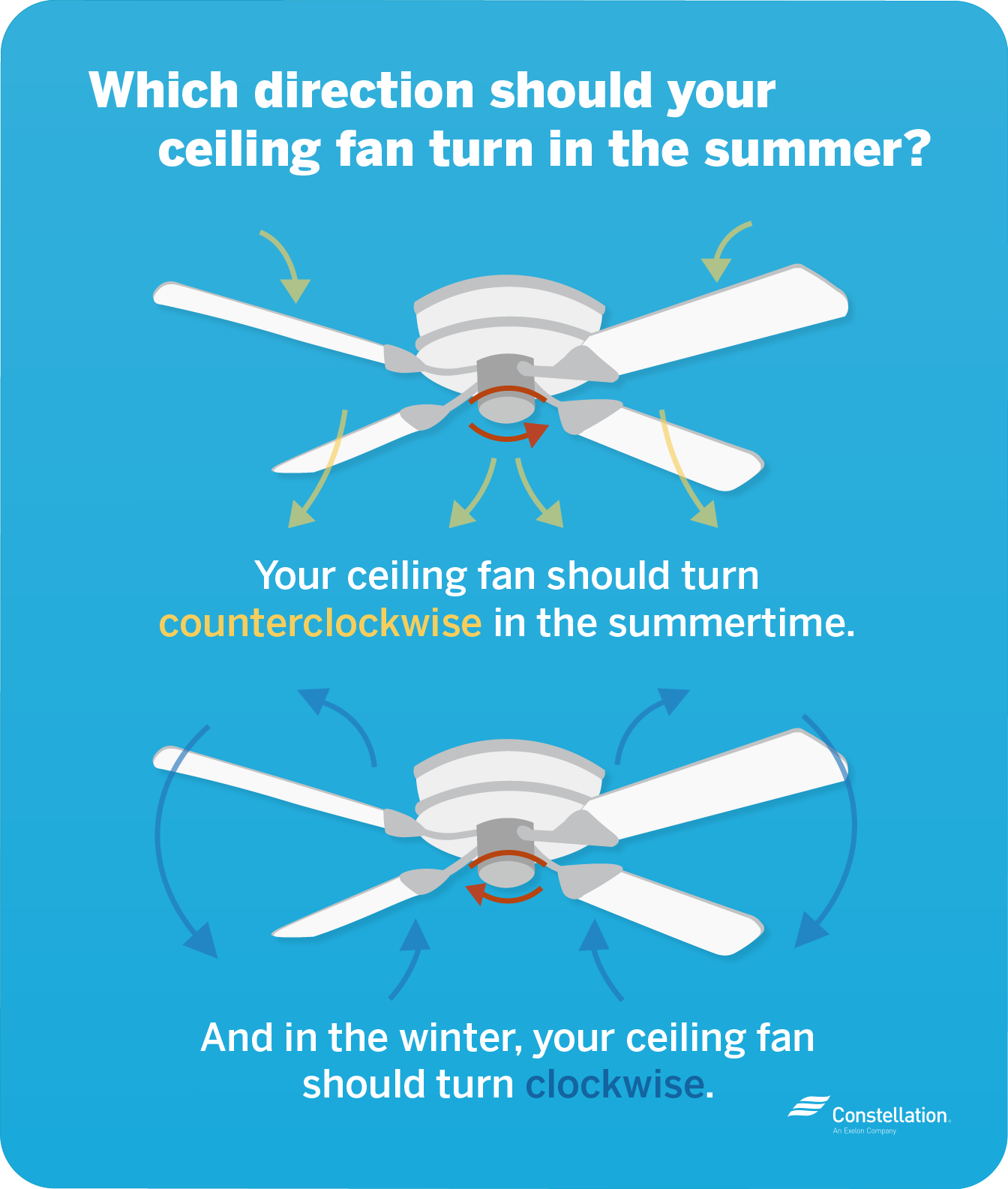
So, how do you ensure your ceiling fan is working its summer magic? The secret lies in the direction it’s spinning! During the summer, your ceiling fan should be rotating counter-clockwise when you're looking up at it. This pushes the air downwards, creating that refreshing breeze we crave. Most ceiling fans have a small switch on the motor housing that allows you to reverse the direction of the blades. It might require a step stool or a quick peek with your phone camera to find it, but it's well worth the effort. Experiment with different speeds to find the perfect balance between airflow and noise level. Higher speeds will deliver a stronger breeze, but lower speeds might be preferable for quieter environments like bedrooms.
Beyond direction and speed, consider these tips for maximizing your fan's effectiveness. Regularly clean the fan blades to prevent dust buildup, which can reduce its efficiency and even cause it to wobble. Ensure the fan is properly sized for the room it’s in. A small fan in a large room won't provide sufficient airflow. And finally, remember that ceiling fans are most effective when people are present in the room. They don't actually cool the room itself, so there's no need to leave them running when no one is there. By following these simple guidelines, you can harness the power of your ceiling fan to stay cool, comfortable, and energy-efficient all summer long!