
Which Way Fan Goes In Summer

Ah, summer! The sun is shining, the ice cream truck is jingling, and you’re probably already dreaming of long, lazy days. But let's be real, there's also that other side of summer: the sticky, humid, "is-my-face-melting" side. When the mercury climbs, many of us turn to our trusty ceiling fans, hoping for that sweet, sweet relief. We crank them up to full speed, cross our fingers, and… sometimes it just doesn't feel like it’s doing much, does it? It’s like the fan is just lazily stirring the hot air around, making your living room feel more like a tropical sauna than a breezy oasis.
Well, what if I told you there’s a secret weapon in your battle against the heat, hidden in plain sight right above your head? It’s all about which way that fan is spinning. Yes, really! It might sound like a tiny detail, but trust me, getting your fan to spin in the right direction for summer can make a huge difference in how cool and comfortable your home feels, and even how much you pay on your electric bill. Who doesn't want that?
The Great Fan Mystery: Pushing Air Up or Pulling it Down?
It's a question many of us have probably pondered for a fleeting moment while wiping a sweaty brow: "Which way should this thing be going?" For most of us, as long as it’s moving, it’s good, right? Wrong! Think of your fan as a magic wand, but it only works its cooling spell if you point it the right way. In the summer, you want that magic wand to be directing air down onto you.
Must Read
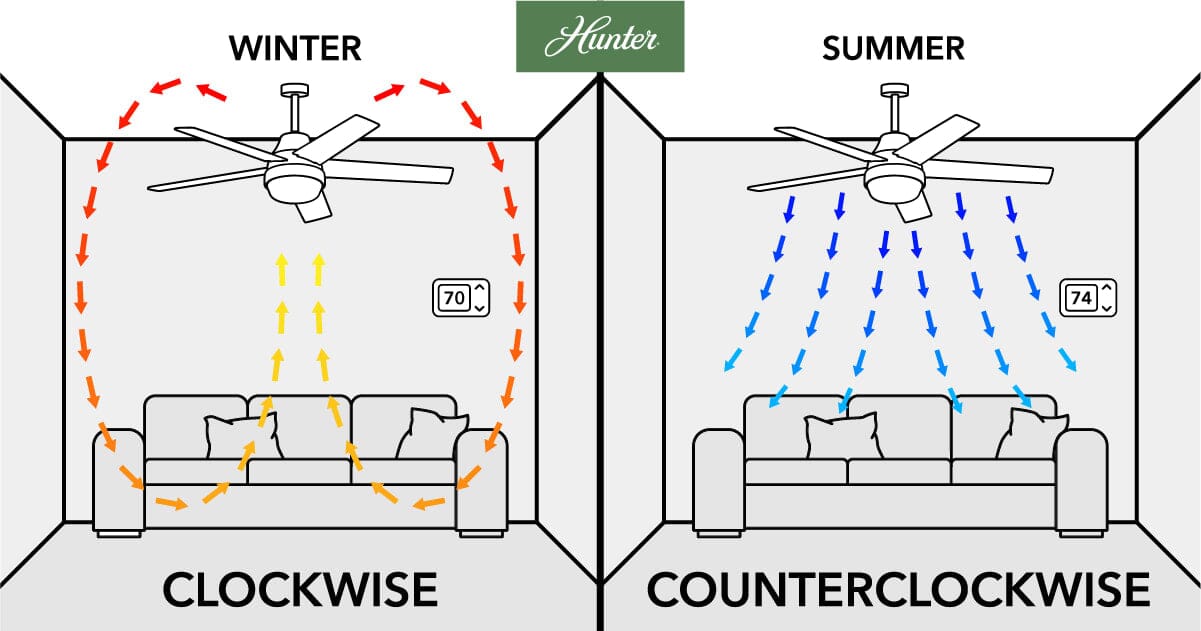
Imagine standing outside on a hot day. What’s the most refreshing feeling? A gentle breeze, right? That’s exactly what your ceiling fan is trying to replicate. When the blades turn in the correct direction for summer, they create a delightful downdraft, pushing cooler air directly into your living space. It’s like having your own personal, silent wind machine, creating that wonderful “wind chill” effect that makes you feel cooler without actually lowering the room's temperature.
Why Blowing Air Down is Your Summer BFF
So, why is pushing air down so important? Let's get a little relatable here. You know how when you step out of a nice cool shower on a hot day, and even if the air is warm, you feel chilly for a second? That’s because the air moving across your damp skin helps evaporate the water, taking heat with it. Your ceiling fan does something similar for your body! When that column of air hits you, it helps evaporate the moisture from your skin – yes, that's sweat doing its job! – and makes you feel significantly cooler.
This isn't just about feeling good, though that’s a big part of it. It’s also about smart energy use. When you're feeling cooler thanks to that downward breeze, you're much less likely to crank down the air conditioning to arctic levels. In fact, studies show that using a ceiling fan effectively can allow you to set your thermostat about four degrees higher without any noticeable difference in comfort. Four degrees! Think about what that does for your electricity bill. It’s like getting a little bonus cheque from your power company every month, just for making a tiny adjustment.
The "How-To" for a Cooler Home: Checking Your Fan
Alright, so how do you know if your fan is on Team Summer or not? Here’s the simple test:
- Stand directly under your ceiling fan.
- Turn it on and let it get up to speed.
- Can you feel a distinct breeze down on your skin?
If you feel a strong breeze, congratulations, your fan is already your summer best friend! If you feel little to no breeze, or worse, it feels like the air is being sucked up towards the ceiling, then it’s time for a quick adjustment.
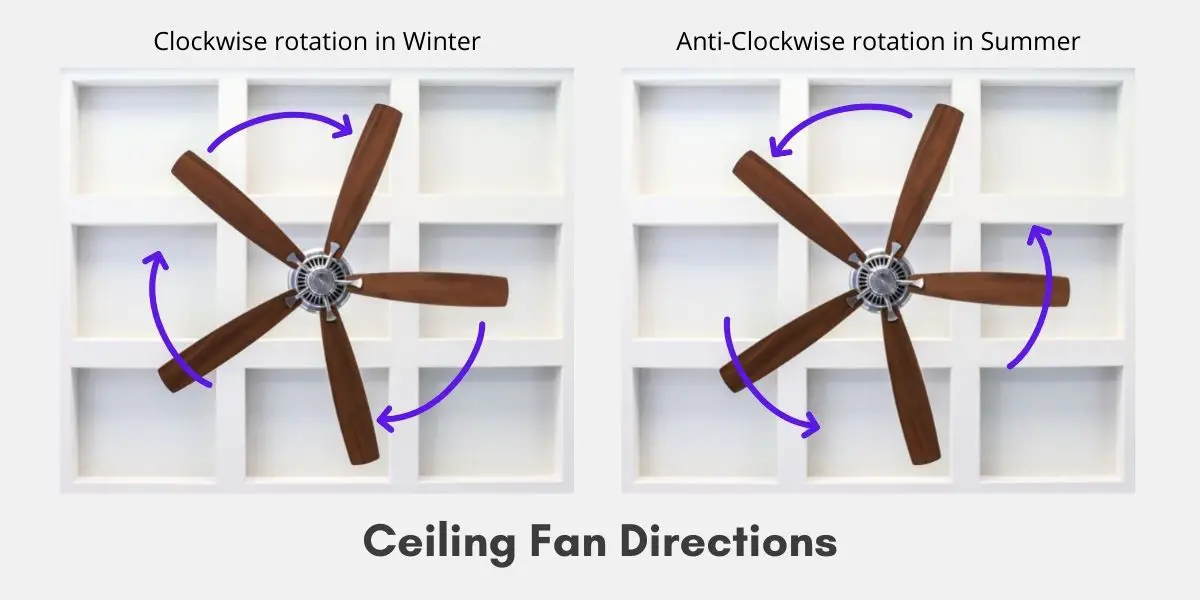
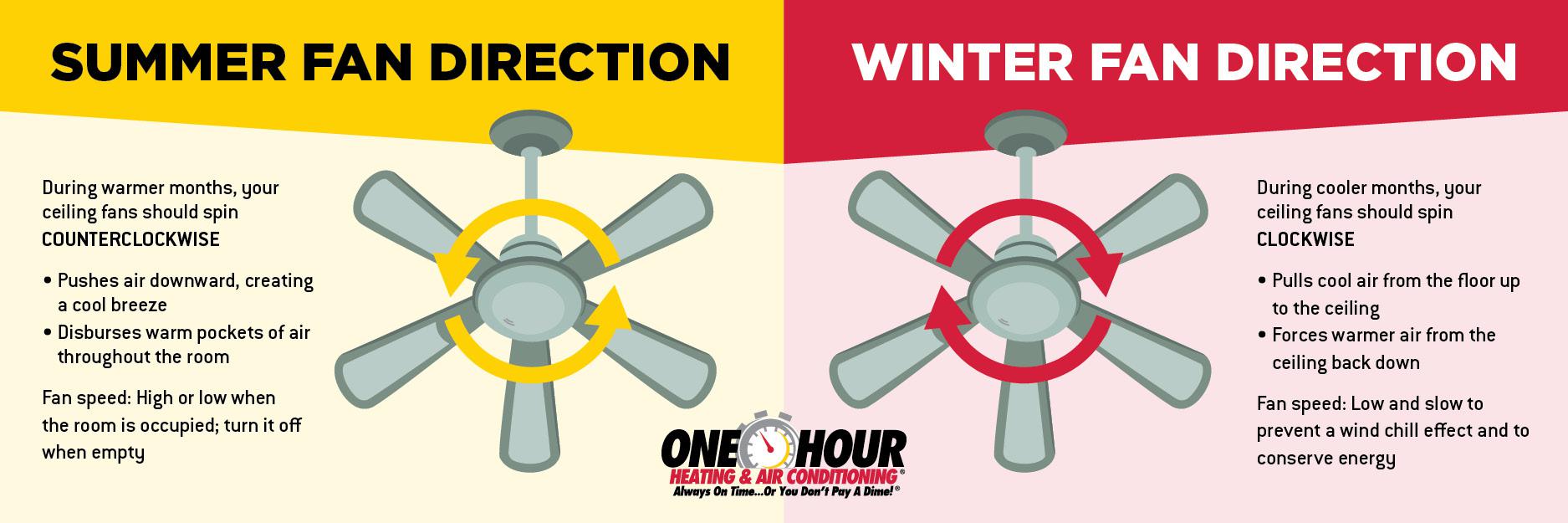
Visually, for summer, your fan blades should be turning in a counter-clockwise motion (when looking up at them). This is what creates that lovely downdraft. If they’re spinning clockwise, they're actually pulling hot air up and pushing it outwards, which is great for circulating warmth in winter but pretty useless for cooling you down in July.

Finding the Magic Switch
So, you’ve discovered your fan is going the wrong way. Don't panic! Most ceiling fans have a little, often overlooked, switch on the motor housing itself. It’s usually a small toggle switch, tucked away near the base of the blades. This is your “directional switch”.
To change the direction:
- Turn off your fan completely and let the blades come to a full stop. Safety first!
- Locate that small switch on the fan’s motor housing.
- Flip the switch to the opposite position.
- Turn your fan back on and re-test!
You should immediately notice that glorious downward breeze. It’s like finding a secret superpower you didn’t know your house had!
Why This Simple Trick Is So Worth It
Beyond the immediate comfort, understanding your ceiling fan’s direction is a tiny but mighty step towards being more mindful of your home's energy use. It’s one of those small changes that collectively make a big difference, not just for your wallet, but for the planet too. Plus, there’s a certain satisfaction, isn't there, in knowing you're getting the absolute most out of your home appliances?
So, this summer, don't just endure the heat. Master your environment! Take five minutes, check your ceiling fans, and enjoy that refreshing, energy-efficient breeze. You'll be glad you did when you're sipping a cool drink, feeling that lovely downdraft, and knowing you’ve outsmarted the summer heat with a flick of a switch. Happy cooling!