
Which Way Does The Ceiling Fan Turn In Winter
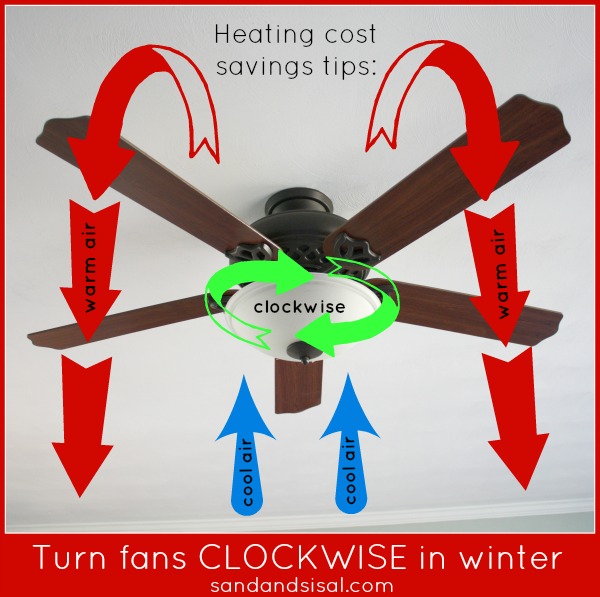
Alright, settle in, settle in! You know, I was just at Brenda’s book club – don't ask – and the most heated debate wasn't about the plot of the dystopian novel, but about… you guessed it… ceiling fans in winter! Yes, my friends, the burning question that keeps me up at night (and apparently Brenda and her bookworms too): which way should that whirling dervish turn when Jack Frost is nipping at your nose?
Now, before you start yelling at me, I know what some of you are thinking. "It doesn't matter! Just crank up the thermostat and be done with it!" And to you, I say: you're probably right. But where's the fun in that? Besides, are you trying to bankrupt me with your lavish heating bills? We need to be frugal, people! We need to harness the power of… the gently rotating blades of energy efficiency! (Okay, maybe I’m overselling it a little.)
The Great Fan Direction Conspiracy (Not Really)
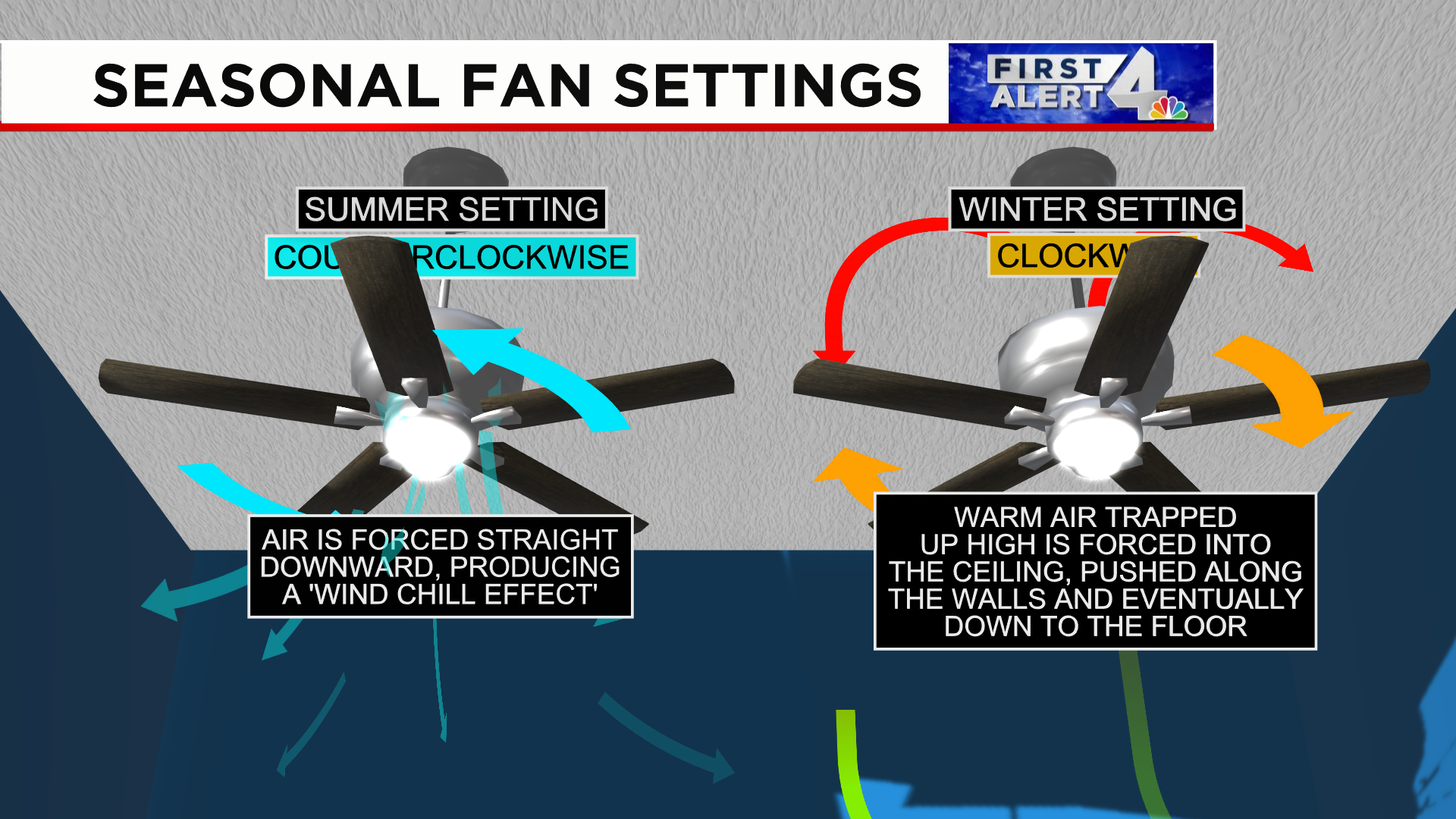
So, here's the deal. Most ceiling fans have a tiny little switch – usually located somewhere incredibly inconvenient on the fan motor itself. Seriously, who designs these things? Is it a test of our dexterity and patience? I'm convinced it's a conspiracy by chiropractors to drum up business. Anyway, this switch dictates the direction of your fan. In the summer, it spins counter-clockwise. Easy peasy. Cool air, blissful relief from the sweltering heat. But what about winter? What mystical direction must it rotate to combat the icy grip of seasonal affective disorder?
Must Read
The answer, my friends, is… drumroll please… clockwise!
I know, I know. It sounds counterintuitive, right? It’s like when you accidentally put on your socks inside out. It feels wrong, but trust me on this one. And maybe not the sock thing. Consult a professional on that one.
Why Clockwise Is the Right Wise Choice
Here's the science-y bit, but I promise to keep it painless. Hot air rises (thanks, physics!). In the winter, your heating system is pumping all that lovely warm air up towards the ceiling, where it just sort of hangs out, having a party with dust bunnies and forgotten spiderwebs. Your fan, spinning clockwise, gently pushes that warm air back down the walls, without creating a gale-force wind that sends your tax returns flying across the room. We’re talking a gentle nudge, not a full-blown hurricane. Think of it as a warm air redistribution strategy, orchestrated by your fan, the benevolent dictator of your living room climate.
Think of it like this: your ceiling fan is a tiny, airborne Sherpa, helping that warm air make the arduous journey back down to where you are, shivering and wrapped in a Snuggie. (No judgement. I own three.)
Important note: you want the fan speed to be low. We're not trying to recreate a wind tunnel here. We're going for a subtle, almost imperceptible movement of air. Think "gentle caress" not "aggressive slap."

Another important note: some fans don’t have a reverse switch. I know, right? It's like buying a car without reverse gear. In that case, you’re stuck with summer mode year-round, and you'll just have to suffer. Or, you know, buy a new fan. (Cha-ching! Another win for consumerism!)
The Benefits Are Real (Maybe)
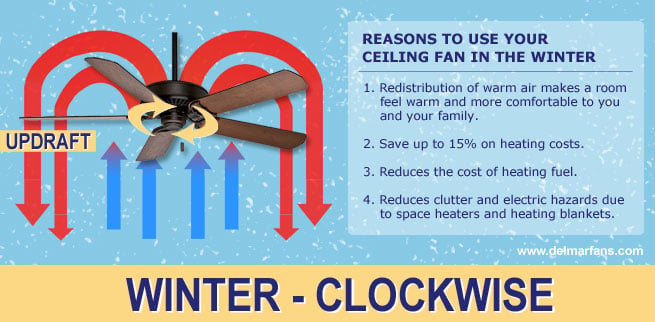
So, what do you get out of all this fan-direction fuss? Well, the official line is that you can save on your heating bill. By redistributing that warm air, your thermostat doesn't have to work as hard to keep the room comfortable. Now, I'm not promising you'll be able to retire to the Bahamas based on your ceiling fan savings. But every little bit helps, right? Plus, you'll feel like a savvy energy-saving ninja, which is a pretty good feeling in itself.
Plus, think of all the fascinating dinner party conversation! You can regale your guests with tales of your ceiling fan prowess, dazzling them with your knowledge of airflow dynamics and home heating strategies. They'll be so impressed, they'll probably start calling you "The Fan Whisperer." (Okay, maybe not. But a girl can dream.)
The Bottom Line (According to Me)
Look, at the end of the day, whether you believe in the power of the clockwise-spinning ceiling fan or not is entirely up to you. Maybe it's all just placebo effect. Maybe I’ve just spent too much time staring at rotating blades. But hey, it gives me something to talk about at Brenda's book club (besides the questionable plot twists), and it might save you a few bucks. So, go forth, experiment with your fan direction, and see what happens. Just don't blame me if you accidentally create a miniature vortex in your living room. And definitely don't tell Brenda I told you about this. She'll never let me live it down.
Now, if you'll excuse me, I'm off to adjust my own ceiling fan. Because, you know, research. For science!
![Ceiling Fan Directions for Summer vs Winter [Infographic]](https://airflowacademy.com/wp-content/uploads/2021/06/Ceiling-fan-directions-infographic-768x1425.jpg)