Which Way Does A Ceiling Fan Go
Okay, spill the beans. We've all been there, right? You're sitting on the couch, maybe sipping your coffee, gazing up at that spinning blur above you and thinking... "Is that thing even helping? And more importantly, which way is it supposed to go?!"
Seriously, it’s like a secret handshake only ceiling fans know. You’re not alone in this delightful little mystery, I promise. It feels like one of those things everyone just knows, except you. But guess what? It’s not that complicated once you get the lowdown. Think of me as your personal fan guru, here to demystify the spin cycle.
Summer Breeze, Please! (The Cooling Spin)
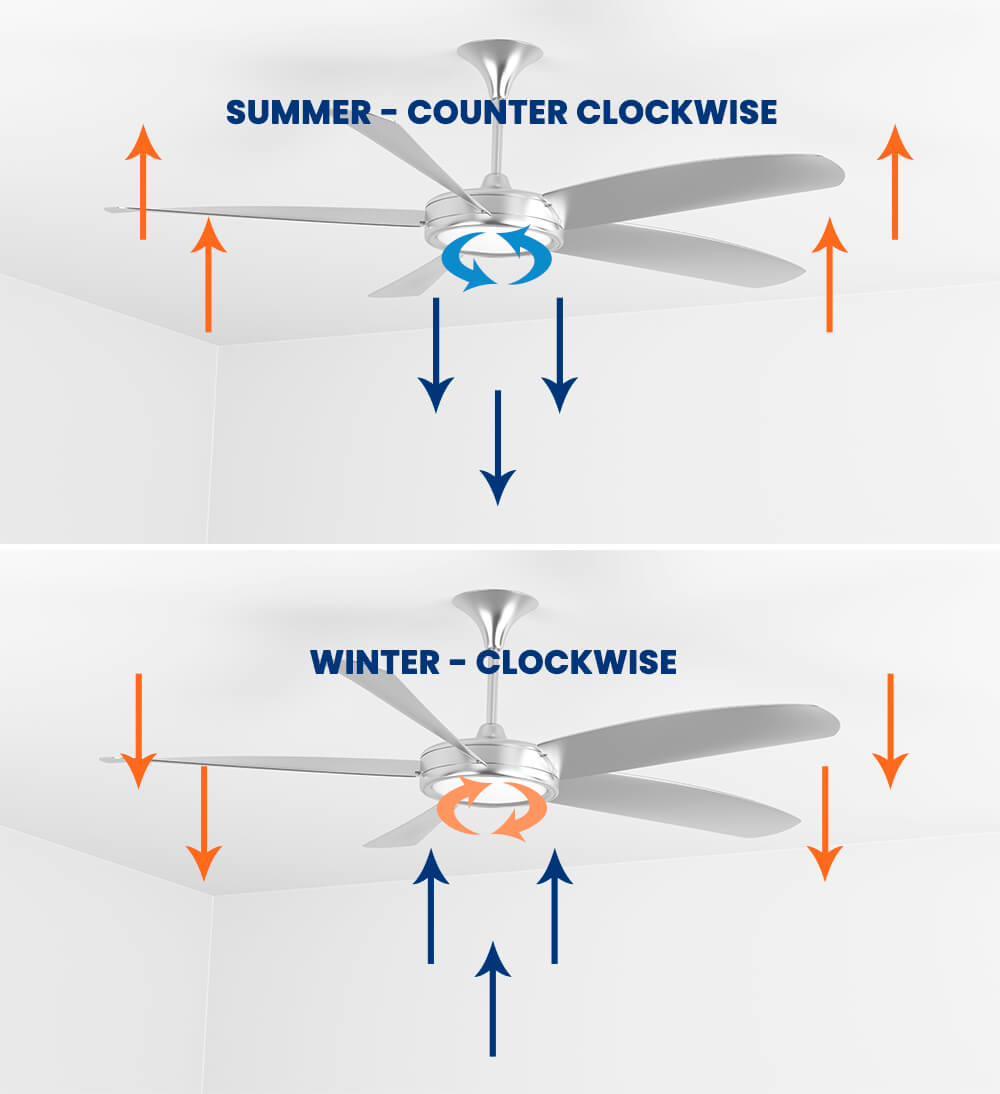
Let's start with the obvious one: summer. When it's hot enough to fry an egg on the pavement (or, let's be real, just feel like it is), you want to feel that sweet, sweet breeze, right? You want to feel air moving down on you, making you feel cooler without actually changing the room temperature. Because, fun fact, fans don't actually cool a room. They cool you!
Must Read
So, for summer, you want your fan to spin in a
How to tell? Stand under it. If you feel a strong breeze hitting you, you're golden. If you're not sure which way is counter-clockwise, just visualize a clock face. Counter-clockwise is the opposite of how the hands normally move. Simple, right? See, you're already a pro!

Winter Warmth (The Air-Circulating Spin)
Now, this is where most people get a bit stumped. Because in winter, you don't want a breeze. Brrr! No thank you. In winter, your goal is to help that lovely warm air (you know, the stuff that naturally rises and hangs out near the ceiling, being all aloof) get circulated back down into your living space. We want to gently nudge it, not blast it.
For this cozy winter task, your fan needs to spin in a
The trick here? You won't feel a direct breeze if it's set correctly for winter. In fact, if you stand under it and feel a breeze, it's probably still on summer mode! The effect is much more subtle. It's about redistribution, not a gust. It's working to make the entire room feel a little more uniform in temperature, saving your heater from working overtime.
The Mighty Switch: How to Change It
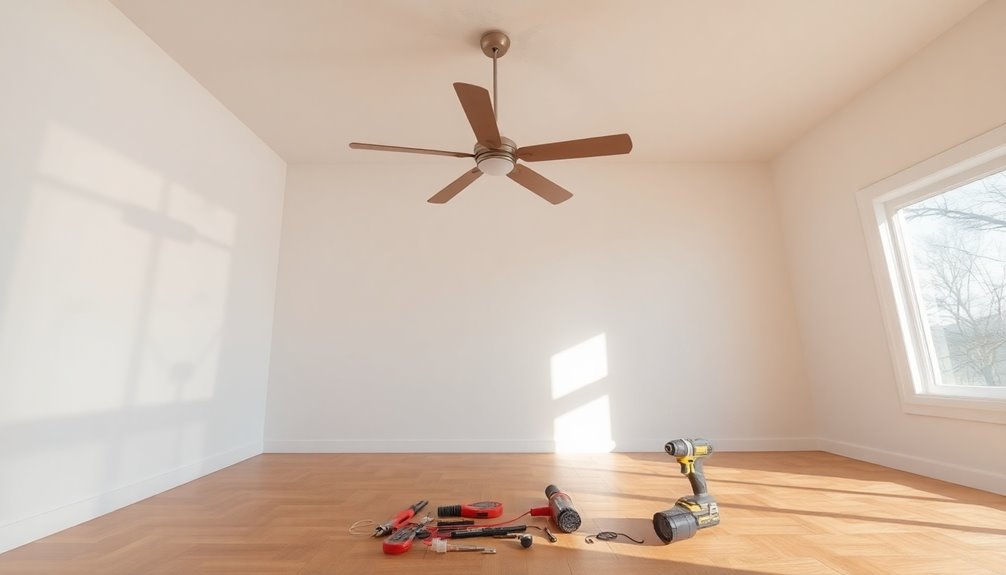
Okay, so you know which way it should go. But how do you actually make it go that way? Easy peasy! Almost all ceiling fans have a small, discrete switch located on the motor housing, often near where the blades connect. It's usually a tiny little toggle or slider.
Here’s the drill:

- Turn the fan OFF. Seriously, safety first! You don't want to lose a finger trying to feel for a tiny switch on a spinning fan.
- Locate the switch. It can sometimes be a bit of a treasure hunt, especially if your fan is super dusty or high up. (Maybe grab a step stool and a duster while you’re at it!)
- Flip the switch. It might only have two positions, one for each direction.
- Turn the fan back ON. Start it on a low speed to easily observe the direction.
Watch those blades closely. Are they spinning counter-clockwise for summer, pushing air down? Or clockwise for winter, gently pulling air up? You'll know instantly once you see it in action. If you don't feel the desired effect, just repeat the steps. It's not rocket science, just a little trial and error!
When to Make the Switch?
There's no hard and fast "date" to flip that switch, really. It’s all about when the seasons feel like they're changing in your neck of the woods. When the mornings start getting crisp and you find yourself reaching for a sweater, that's your cue for winter mode. When the humidity hits and you just want to lie still and melt, hello summer mode!
So next time you're staring up at your fan, don't just wonder. You've got the power now! Go forth and optimize your airflow, my friend. Your comfort (and maybe your energy bill) will thank you. Now, pass the sugar, will ya? This coffee needs a little more warmth, just like my room in winter mode.