
Which Way Does A Ceiling Fan Go In The Winter
Okay, let's be honest. We all love ceiling fans, right? They're like the superheroes of home comfort, swooping in to save us from sweaty summer afternoons. But what about winter? Does that trusty whirlybird just hang there, mocking our shivering selves?
The Great Winter Fan Debate
It's a question that's sparked more family debates than "Who ate the last cookie?" or "Are socks and sandals ever okay?" The answer, my friends, is not blowing in the wind (pun intended!). It involves a little switch, a whole lotta science-y magic, and a surprisingly satisfying sense of domestic accomplishment.
We're talking about reversing your ceiling fan, folks! Yes, that's right. Turning it the other way.
Must Read
Why Reverse It, You Ask?
Imagine your living room as a giant, invisible layer cake. The yummy, warm air that your furnace pumps out rises to the top (the upper layer of the cake). That leaves the lower levels (where you are) feeling like a refrigerated storage unit.
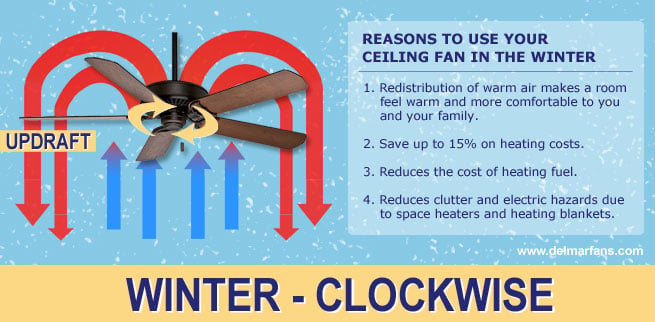
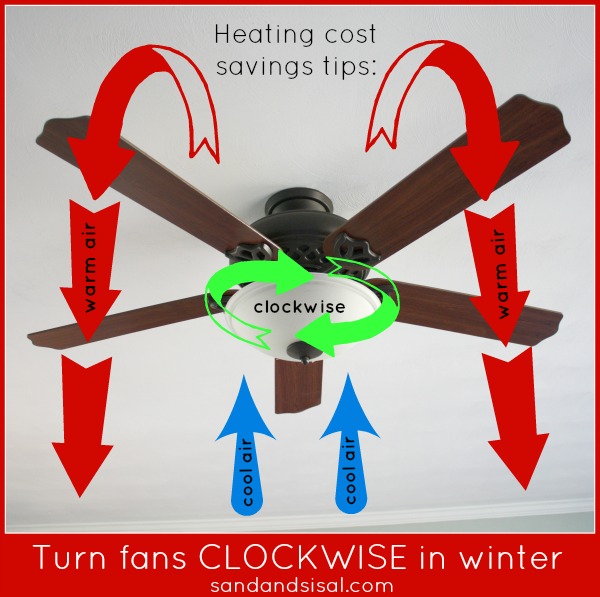
Reversing your ceiling fan gently pushes that warm air back down, creating a more even temperature throughout the room. Think of it as a warm air elevator, bringing the cozy goodness down to ground level.
This isn't about creating a blizzard in your living room. We're not aiming for a wind tunnel effect. The goal is a gentle circulation, a subtle redistribution of warmth.
Spotting the Secret Switch
Now, where's the magic button? Most ceiling fans have a small switch located on the motor housing. It's usually near the light fixture. This is the key to unlocking your fan's winter potential.
Before you go poking around up there, please, oh please, turn off the fan! We're going for cozy, not concussed.
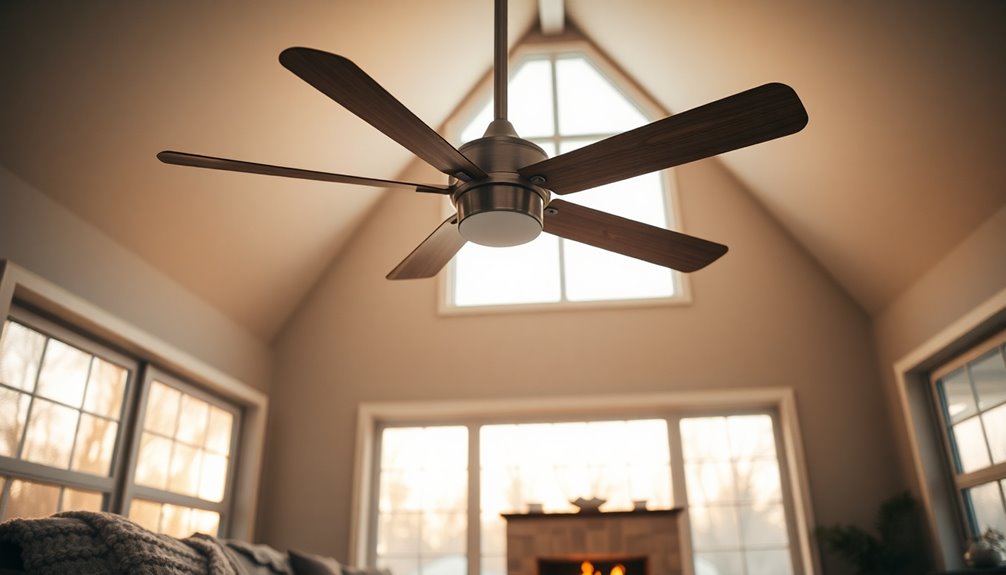
This little switch determines the direction of the fan blades. One way for summer breezes, the other for winter warmth. Simple, right?
The Direction Dilemma: Summer vs. Winter
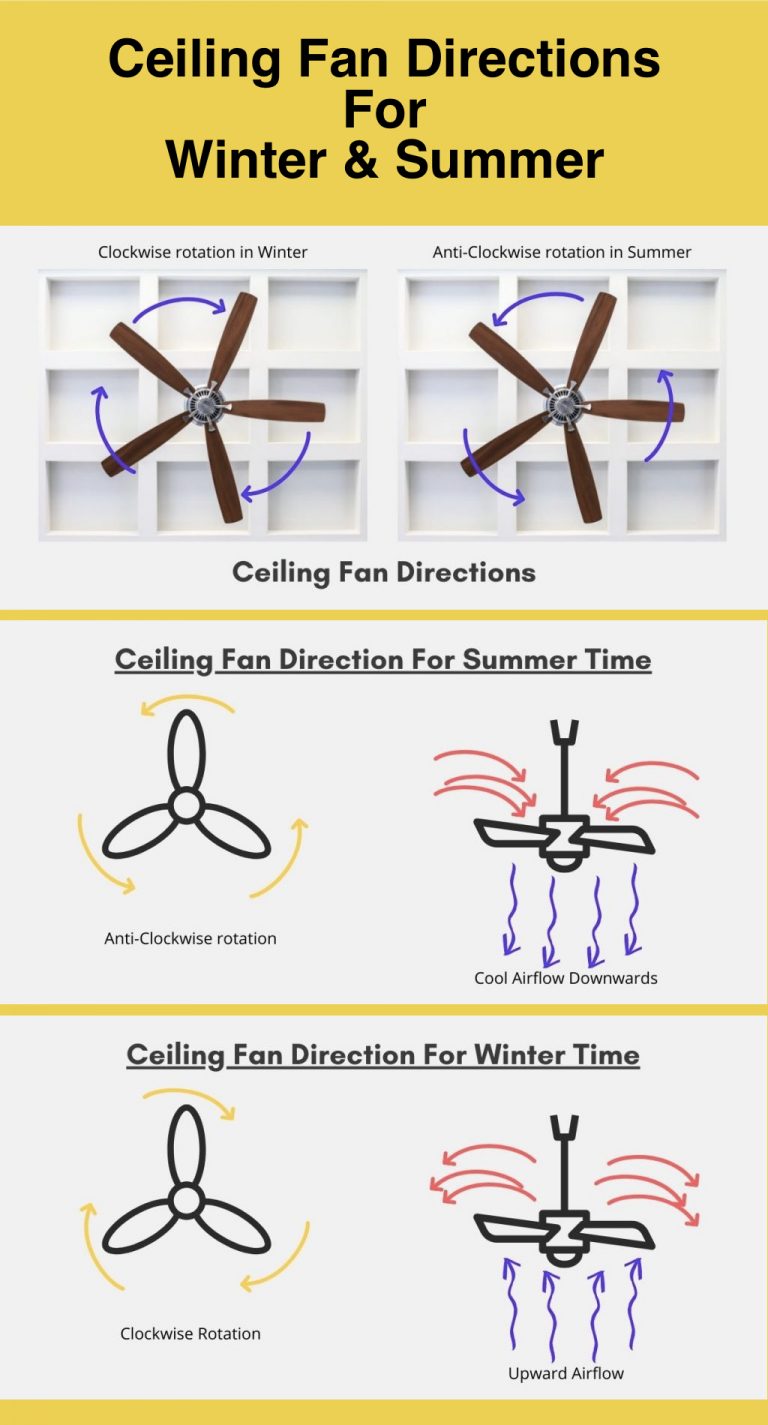
Here's the rule of thumb: In the summer, you want your fan to rotate counter-clockwise (as you look up at it). This pushes air down, creating that refreshing breeze we all crave.
For winter, switch it to clockwise. This gently pulls air up, circulating the warm air that has gathered near the ceiling.
Still confused? A good way to remember it is this: Summer airflow blows on you. Winter airflow is away from you.
Testing the Waters (or, the Air)
Once you've flipped the switch, give it a whirl (again, pun intended!). Stand underneath the fan and see if you feel a gentle breeze moving upward. If you do, congratulations! You've successfully harnessed the power of reverse-fan technology!
If you're still feeling a downward breeze, double-check that switch. It's easy to get it mixed up. Even seasoned fan-flippers make mistakes.

Don't expect a dramatic change overnight. It's a subtle shift, a gentle nudge towards warmth. But over time, you'll notice a difference in your energy bill and your overall comfort level.
The Speed Factor: Slow and Steady Wins the Race
In winter, you want to run your fan at a low speed. Remember, we're not trying to create a gale-force wind. A gentle circulation is all you need to redistribute the warm air effectively.
High speeds will just create a chilly draft and defeat the purpose of reversing the fan in the first place. Think slow and steady, like a warm, comforting hug.
Experiment with different speeds to find what works best for your room and your personal preferences. Every home is unique, and so is its air circulation.
The Unexpected Benefits
Beyond the obvious warmth and energy savings, reversing your ceiling fan can have some surprising side effects. Think less dust, more even temperatures, and a cozy, comfortable atmosphere.
You might even find yourself feeling a little smug, knowing that you're using your fan to its full potential. You're not just a fan owner, you're a fan master!
Plus, it's a great conversation starter! "Hey, did you know I reverse my ceiling fan in the winter?" Prepare to be showered with admiration and envy.
A Little Extra Tip: The Thermostat Connection
Reversing your ceiling fan works best when combined with a well-set thermostat. Don't crank up the heat and expect the fan to magically solve all your problems.
Set your thermostat to a comfortable temperature and let the fan do its job of circulating the warm air. You'll be amazed at how much more comfortable your home feels.
Think of it as a tag-team effort: thermostat setting the overall warmth, and fan distributing the warmth around the house.
The Moral of the Story
So, the next time you're feeling a chill in the air, don't just reach for a blanket. Take a moment to consider your ceiling fan. That seemingly simple appliance could be the key to unlocking a warmer, more comfortable winter.
It's a small change with a big impact. A simple switch that can make a world of difference.
And who knows, maybe you'll even win that family debate about socks and sandals. (Okay, probably not. But it's worth a shot!)
Embrace Your Inner Handyman (or Handywoman!)
Don't be afraid to get up there and flip that switch. It's a simple task that anyone can do. And the feeling of accomplishment is surprisingly rewarding.
You're not just reversing a fan, you're taking control of your home's comfort. You're becoming a master of your own domestic destiny!
So go forth and conquer the winter chill. Your ceiling fan is waiting for you!
And remember, the best way to stay warm this winter is with a little bit of knowledge, a reversed ceiling fan, and maybe… just maybe… a nice cup of hot cocoa.