
Which Way Do You Turn Your Fan In The Winter
Okay, picture this: it's the dead of winter. You're huddled under a blanket thicker than a Tolkien novel, teeth chattering like a wind-up toy. And then, you glance up. There it is, the ceiling fan, silently mocking you from its perch.
Suddenly, a thought crashes into your brain like a runaway sled. Should that thing be…spinning? And if so, which way? Clockwise? Counter-clockwise? Is there some secret code to unlocking winter warmth with the flick of a switch?
The confusion is real. We've all been there, staring blankly at that fan, wondering if we're about to inadvertently create an indoor blizzard.
Must Read
The Great Fan Debate: Winter Edition
It’s a question that sparks more debate than pineapple on pizza (and that’s saying something!). Families have been torn apart, friendships tested, all over the seemingly simple question of fan direction.
Grandma swears it’s clockwise. Your know-it-all brother insists it’s counter-clockwise. The internet, of course, offers a million conflicting opinions. Who do you trust?
My own journey to fan enlightenment was less than graceful. I remember one particularly frigid January, convinced I was a master of thermal dynamics, confidently switching my fan to what felt like the right direction. The result? Let's just say my sinuses staged a full-blown rebellion.
The Upside-Down Truth
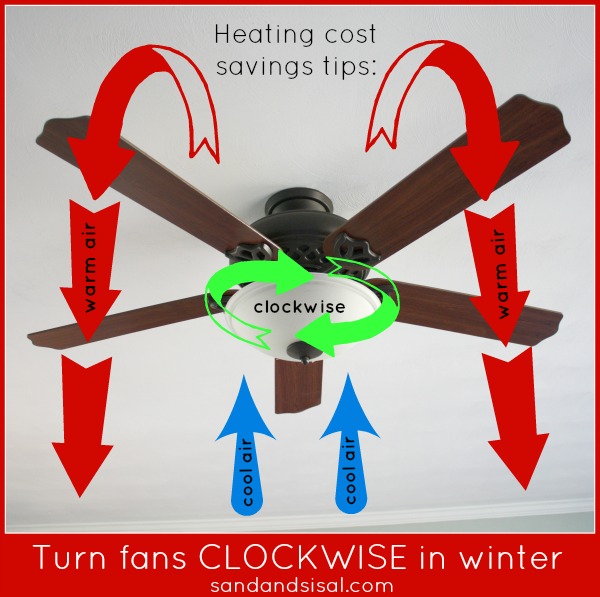
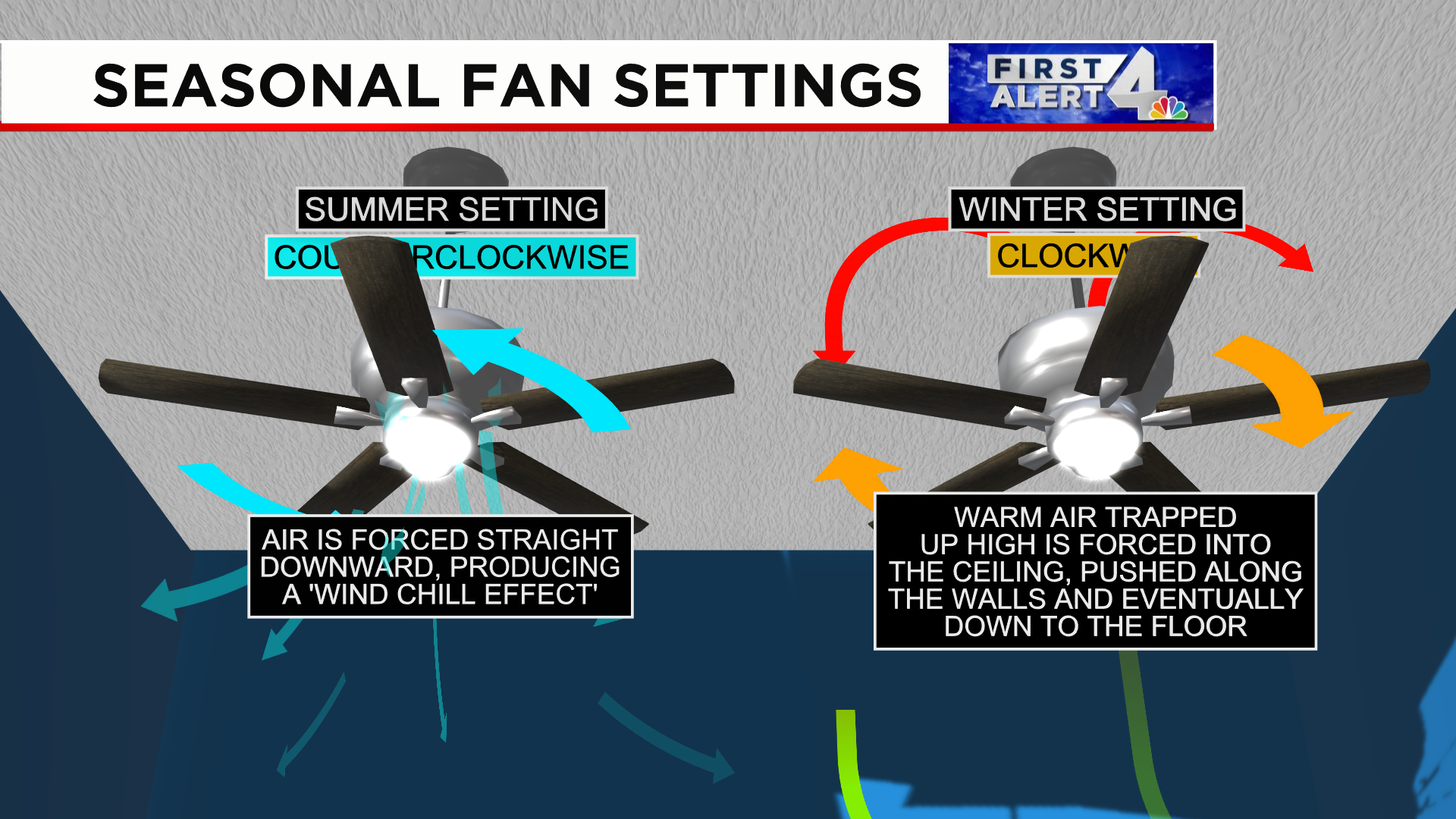
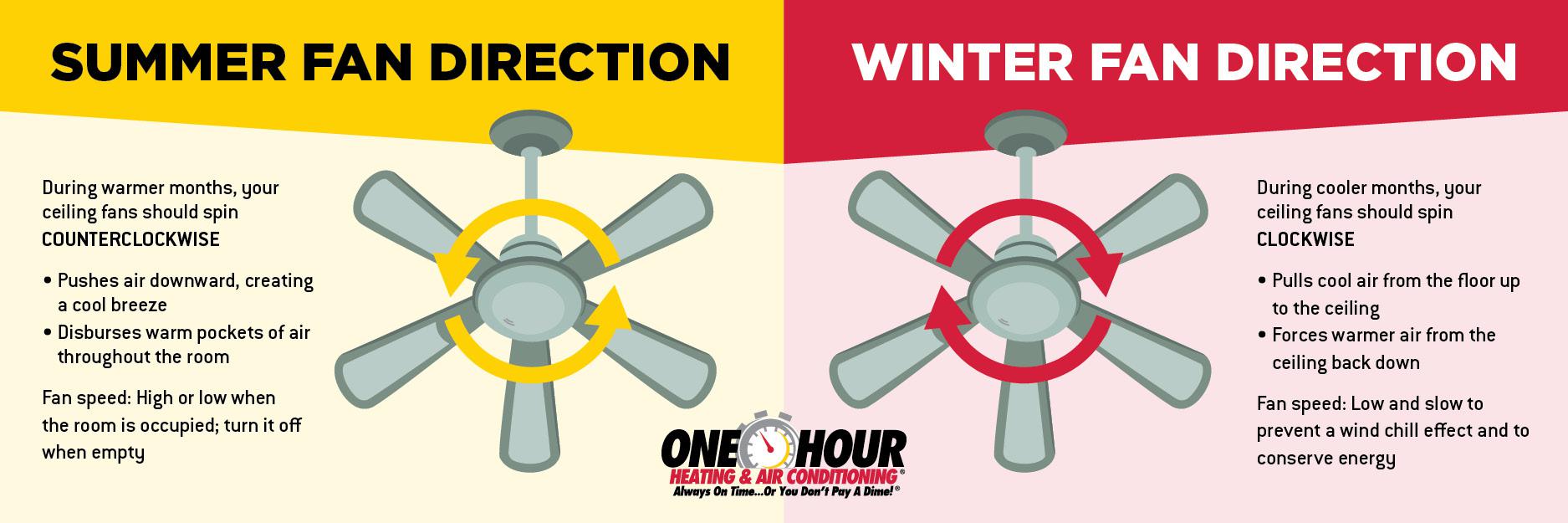
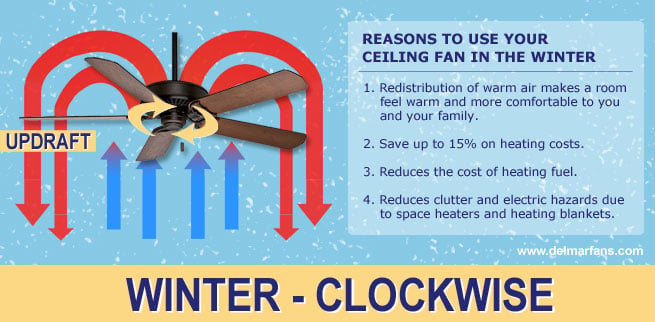
Here’s the thing – and prepare for a revelation – during the winter, you generally want your ceiling fan to rotate clockwise (when looking up at it). That’s right, the opposite of what you might think! It’s a little counterintuitive, but trust me (and, you know, science).
Clockwise rotation creates a gentle updraft. Think of it like a subtle hug for your heated air. It pushes that warm air that’s been stubbornly clinging to the ceiling back down into the living space where you, the shivering human, can actually benefit from it.

It’s not about creating a wind chill; it’s about gentle air circulation. You shouldn’t feel a breeze, just a more even distribution of warmth.
The Low-Speed Secret
But here’s another pro-tip: speed matters! You don’t want your fan whirling like a helicopter. The key is a low speed. A gentle, almost imperceptible rotation.
Think of it as a delicate dance between warm and cold air. A frantic spin will just create chaos and possibly a rogue snowstorm of dust bunnies.
Finding the sweet spot takes a little experimentation. Adjust the speed until you feel a subtle difference in the room's overall temperature. You're aiming for comfort, not a hurricane.
More Than Just Warmth: A Feel-Good Factor
Beyond the practical benefits, there's something oddly comforting about knowing you're actively fighting back against the winter chill. It’s like you’re saying, “Not today, Jack Frost! I’ve got a ceiling fan and I’m not afraid to use it!”
There’s a certain satisfaction in taking control of your indoor climate. It’s a small victory against the forces of nature, a tiny act of rebellion against the relentless cold.
Plus, let’s be honest, it gives you something to talk about at family gatherings other than politics. “So, about that ceiling fan…” Instant conversation starter!
The Unexpected Perks
And the benefits don’t stop at warmth. Properly circulating air can also help reduce condensation on windows, preventing those annoying (and sometimes damaging) water streaks.
It can even help distribute the scent of your favorite winter candles more evenly throughout the room. Imagine: a warm, cozy space filled with the aroma of cinnamon and pine. Bliss!
Plus, using your ceiling fan efficiently can save you money on your heating bill. A little bit of clockwise rotation can translate into significant savings over the course of the winter. That’s extra cash for hot chocolate!
A Word of Caution (and a Little Humor)
Now, before you go rushing off to adjust your fan, a word of caution. Make sure your fan is actually designed for reverse operation. Some older models might not have that feature.
Trying to force a non-reversible fan to spin backwards could lead to…well, let's just say it won't be pretty. Imagine the sparks! The ominous grinding noises! The sheer horror!
So, check the instructions or look for a switch on the fan motor housing. Safety first, folks! We want warmth, not a miniature indoor disaster.
The Human Connection
But beyond the technicalities and the potential for comedic mishaps, there's something deeper at play here. It’s about creating a cozy, comfortable haven for ourselves and our loved ones during the darkest months of the year.
It’s about transforming our homes into sanctuaries where we can escape the harsh realities of winter and reconnect with the people who matter most.
Think about it: gathering around a crackling fireplace (or a strategically placed space heater), sharing stories, playing games, and simply enjoying each other's company in a warm, inviting atmosphere. The gently rotating fan overhead is just a small part of that picture, but it’s a part nonetheless.
Finding Your Fan Zen
Ultimately, the best way to determine the optimal fan direction and speed is to experiment. Every home is different, and what works for one person might not work for another.
So, embrace the process. Play around with the settings. Observe how the temperature changes in different parts of the room. Become a master of your own indoor climate.
And don't be afraid to ask for help! Consult your family, your friends, or even the all-knowing internet. But remember, the ultimate goal is comfort and well-being.
The Takeaway
So, the next time you look up at that ceiling fan this winter, don't just see a dusty appliance. See a potential ally in your fight against the cold.
See a symbol of home, of comfort, and of the simple joys of winter. And remember: clockwise, low speed, and a whole lot of good vibes.
Now go forth and conquer the cold! And may your winter be filled with warmth, laughter, and perfectly rotated ceiling fans. And if all else fails, there's always that Tolkien-sized blanket.