
Which Way Do Fans Blow In Summer
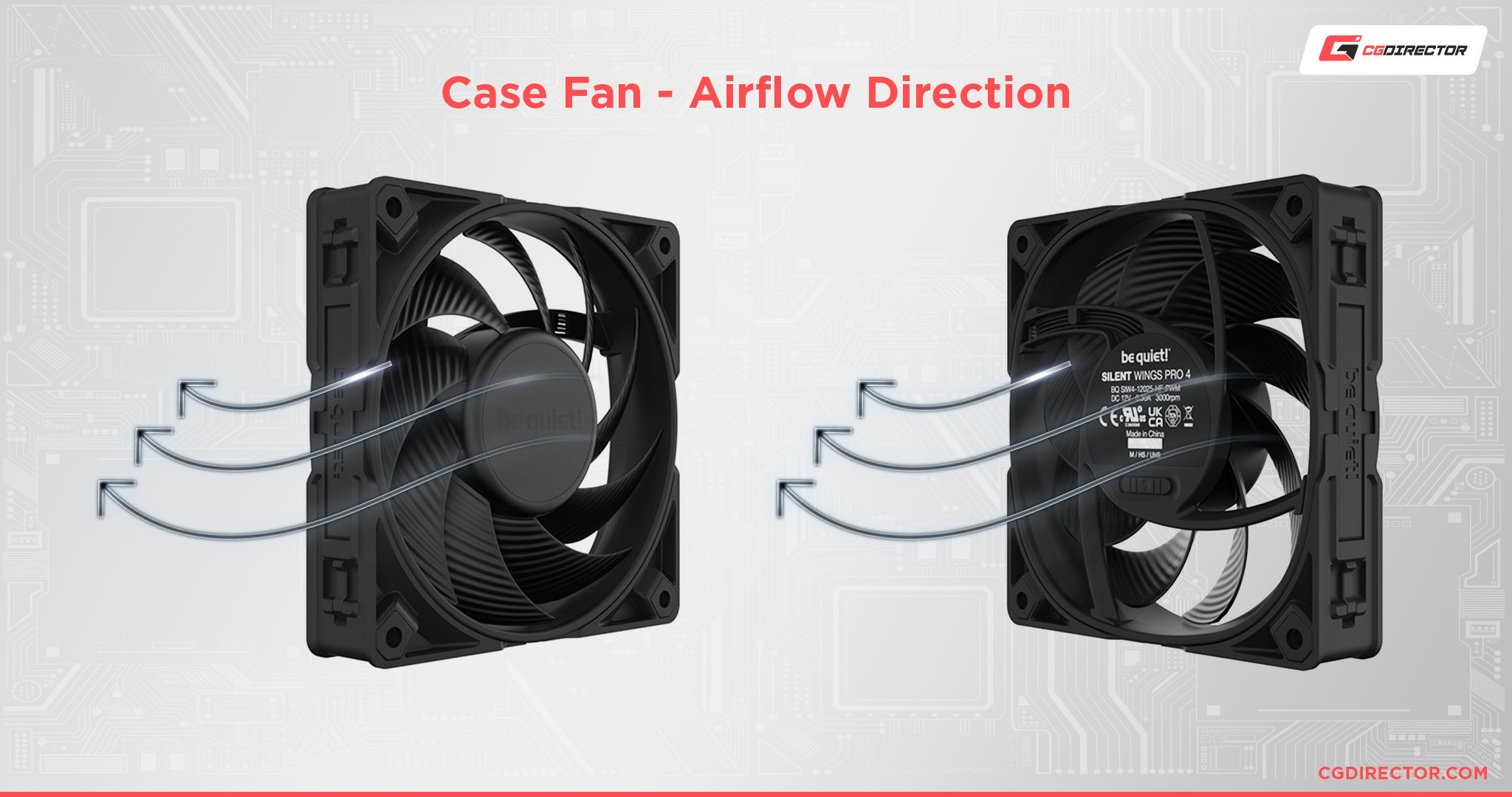
Okay, picture this: it’s a sweltering July afternoon, the kind where the air itself feels like a thick, damp blanket. My ancient AC unit is wheezing its last, pathetic breath, more of a suggestion of coolness than actual refrigeration. Desperate, I dug out my trusty, albeit dusty, box fan. I plunked it down, aimed it squarely at my face, and braced myself for relief. A momentary gust of air, sure, but the room itself felt like a sauna, and I was just… being blown on. Is this all there is? I wondered, wiping a bead of sweat from my brow. It felt like I was just moving hot air around, playing a futile game of thermal whack-a-mole. Seriously, folks, has anyone else ever felt utterly bamboozled by a simple box fan?
That moment, dear reader, was my personal epiphany. It sparked a burning (pun intended) question: Which way should this thing be blowing? Am I just making noise, or is there a secret ninja technique to using these humble machines to actually make a difference?
The Great Fan Conundrum: Blowing At You vs. Blowing Out
For years, like many of us, I just assumed you pointed the fan directly at yourself. More air, more cool, right? Well, yes and no. It’s like discovering pineapple on pizza is actually a thing – controversial, but sometimes effective!
Must Read
Method 1: The "Feel-Good" Blast (Fan Blowing At You)
This is the classic move. You're hot, you want air on you. And it works! Sort of. When a fan blows air across your skin, it helps evaporate sweat. And when sweat evaporates, it cools you down. Think of it like a natural air conditioner for your body. The technical term is evaporative cooling. It feels good, it's instant, and if it's humid, it might be the only relief you get without an actual AC.
Pro-tip: Want to supercharge this method? Put a bowl of ice or a frozen water bottle in front of the fan. It'll pick up the chilly air from the melting ice and blow it directly at you. A poor man's AC, perhaps, but effective in a pinch!
However, here's the catch: the fan isn't actually cooling the room. It's just cooling you. The air temperature in the room remains the same, or can even get slightly warmer due to the fan motor generating a tiny bit of heat. So, if you're not in the path of the breeze, you're just heating things up for everyone else. Selfish, but sometimes necessary, right?
Method 2: The "Smart-Ass" Exhaust (Fan Blowing Out the Window)
This is where things get interesting, and dare I say, strategic. Imagine your room as a big hot balloon. If you just blow air around inside, it’s still a hot balloon. But what if you could let some of that hot air out?
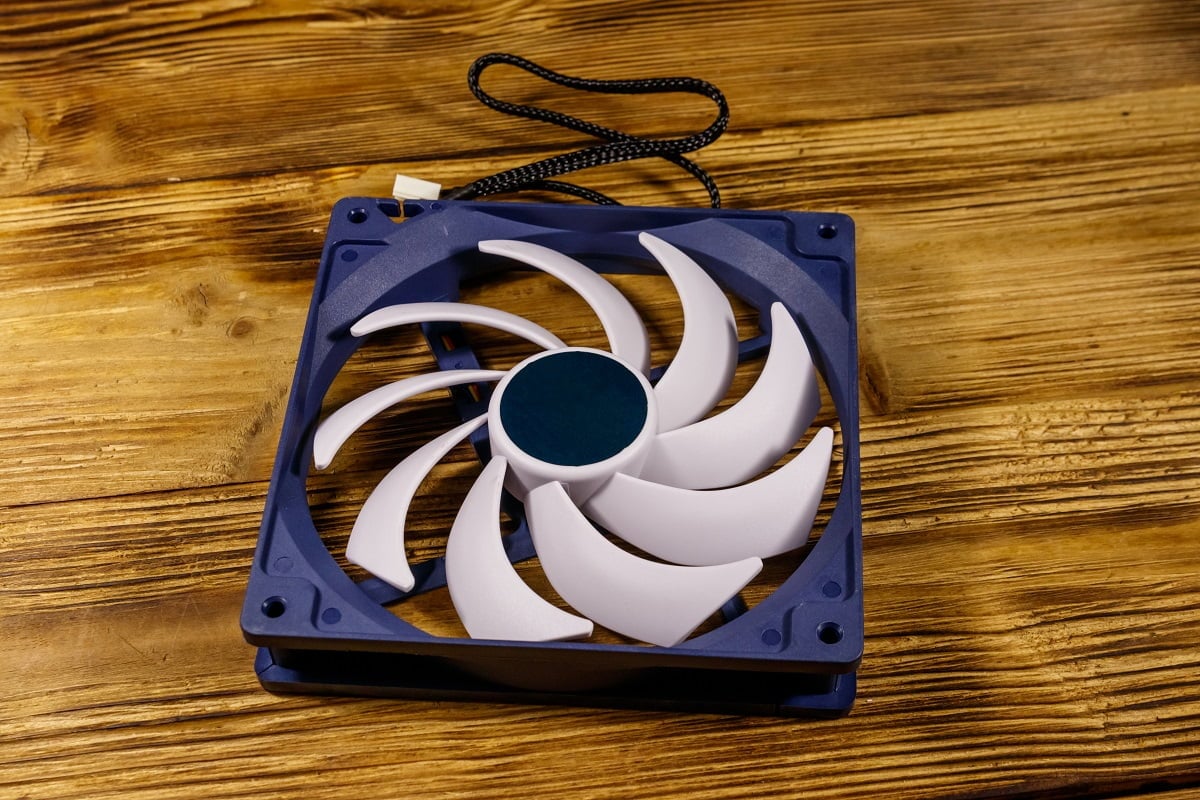
If you position a fan in a window, facing outwards, what it does is literally suck the hot air out of your room. This creates a negative pressure inside, which then pulls cooler air from other parts of your house, or even from outside (if it's cooler out there, say, in the evening or early morning) through other open windows or doors. This is particularly effective during the cooler evening hours after a scorching day, helping to purge that built-up daytime heat. Mind blown yet?
This method is about cooling the room itself, not just your skin. It’s a game-changer for getting rid of that stagnant, oven-like feeling in a space. You won't feel the direct breeze on your face, but you'll notice the overall temperature of the room dropping.
Level Up: The Cross-Breeze Commando
Why choose when you can have both? For maximum effect, especially if you have multiple fans (or just one very generous friend willing to lend theirs), you can create a cross-ventilation system.
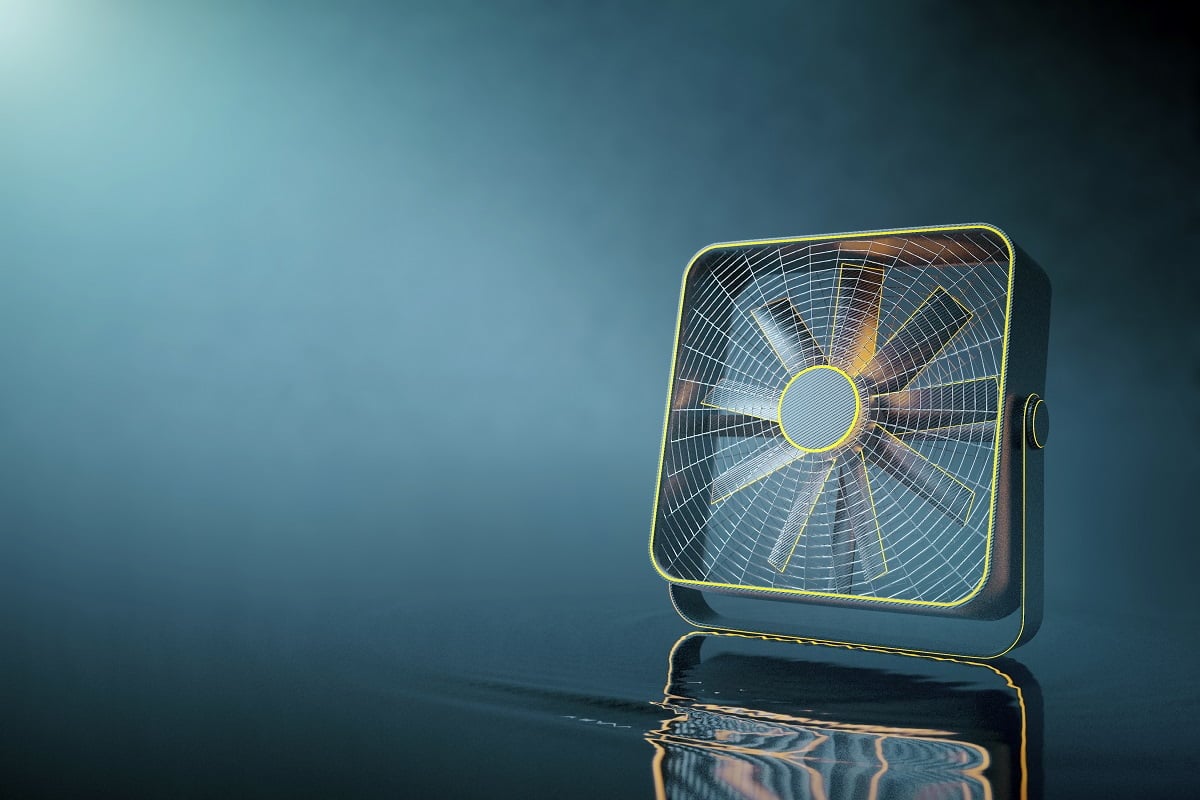
Place one fan in a window, blowing in, to pull cooler air into your space. Then, position another fan in a different window on the opposite side of the room or house, blowing out, to expel the hot air. This creates a beautiful, continuous flow of air through your home, flushing out the heat. It’s like your house is breathing a sigh of relief. And honestly, it feels pretty darn good.
Don't Forget Your Ceiling Buddies!
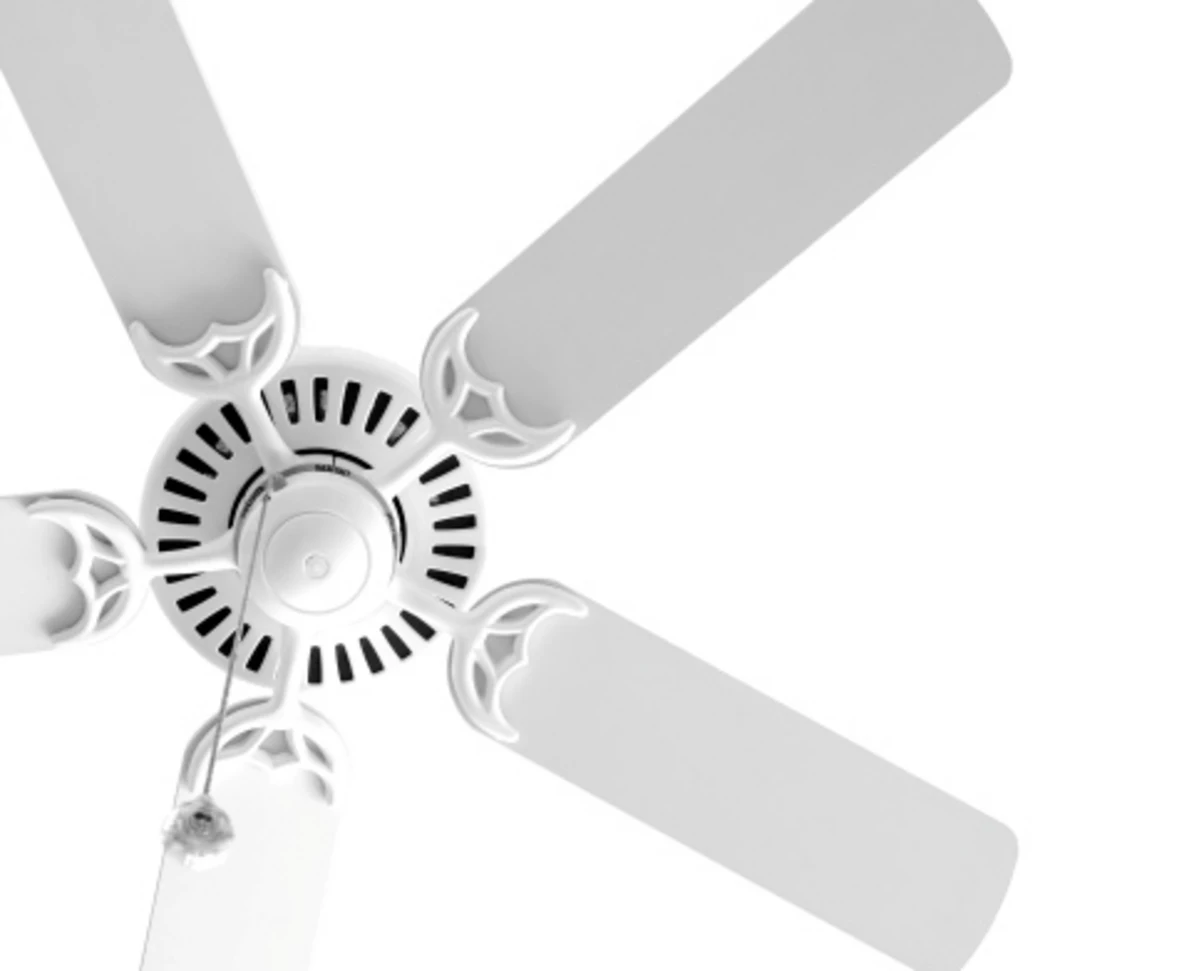
Ah, ceiling fans! These guys play by slightly different rules. In summer, you want your ceiling fan to spin counter-clockwise (when looking up at it). This pushes air down, creating that lovely downdraft that helps with evaporative cooling. In winter, you'd switch it to clockwise to gently pull warm air up and circulate it around the room without creating a chilling breeze.
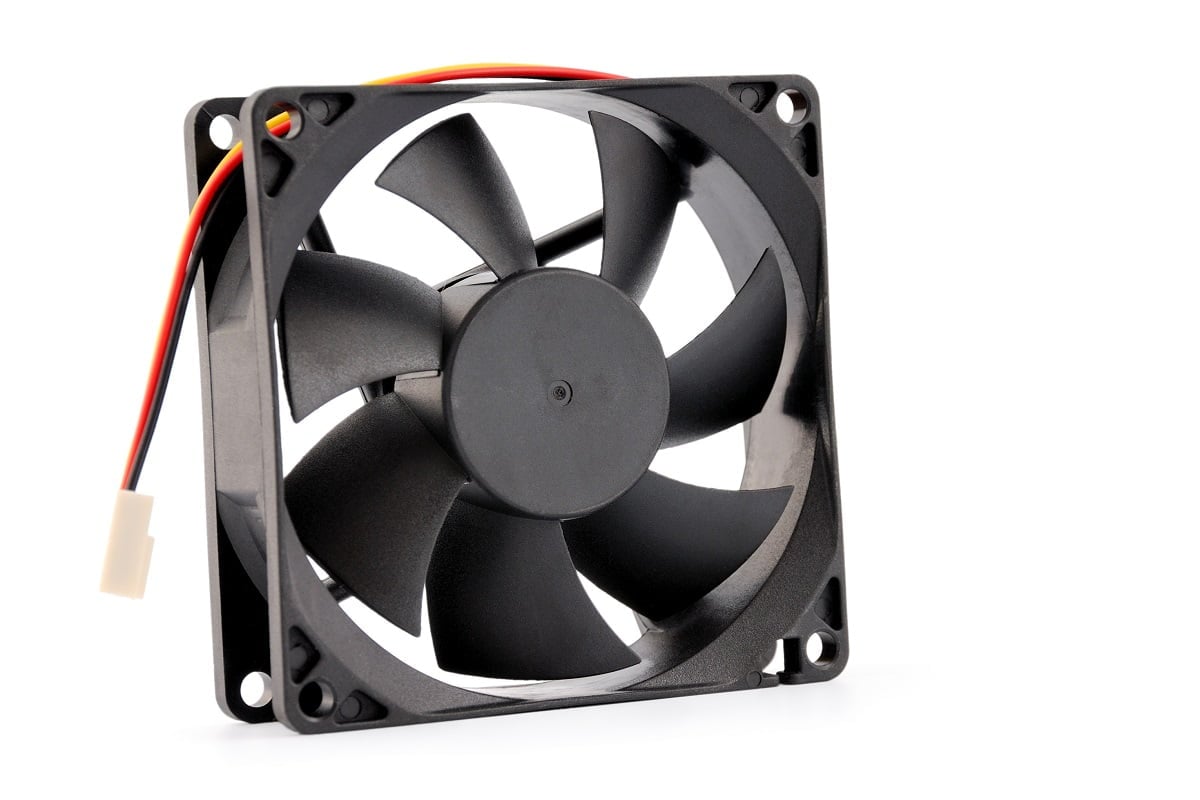
Always remember to adjust the speed – a gentle breeze is often enough to feel cooler without feeling like you're in a wind tunnel.
The Big Takeaway (Because Science, Kinda)
So, which way should your fan blow? The answer, as with most things in life, is: it depends!
- If you need immediate personal relief and are directly in the fan's path, blow it at you.
- If you want to cool down the entire room, especially when it's hotter inside than out (like in the evening), blow it out the window to exhaust hot air.
- For the ultimate cool-down, combine both methods for a cross-breeze effect.
Ultimately, fans don't actually cool the air; they simply move it around. But how you direct that movement makes all the difference in how comfortable you feel. Experiment! Try different angles, different windows. You might just find that your humble fan is a far mightier weapon against the summer heat than you ever imagined. Now go forth, my friend, and blow smart!