Which Way Ceiling Fan In Summer
Alright, gather 'round, my fellow sun-soaked sufferers! We've all been there, haven't we? It’s the middle of July, the mercury’s doing its best impression of a rocket launch, and you’re contemplating whether it’s socially acceptable to just live in the fridge. That's when your eyes drift upwards, towards that magnificent, often-ignored sentinel of salvation: the ceiling fan.
It's spinning. Bless its little mechanical heart. But then a terrifying, existential question bubbles to the surface of your heat-addled brain: "Is it spinning the right way?"
The agony! The doubt! Is it pushing glorious, cooling air down onto your brow, or is it merely stirring the existing soup of humid despair around the room like some kind of sadistic air chef? Is it helping, or is it just… there? Worse yet, is it secretly making things worse? Dun, dun, DUN!
Must Read
The Great Summer Fan Conspiracy: Solved!
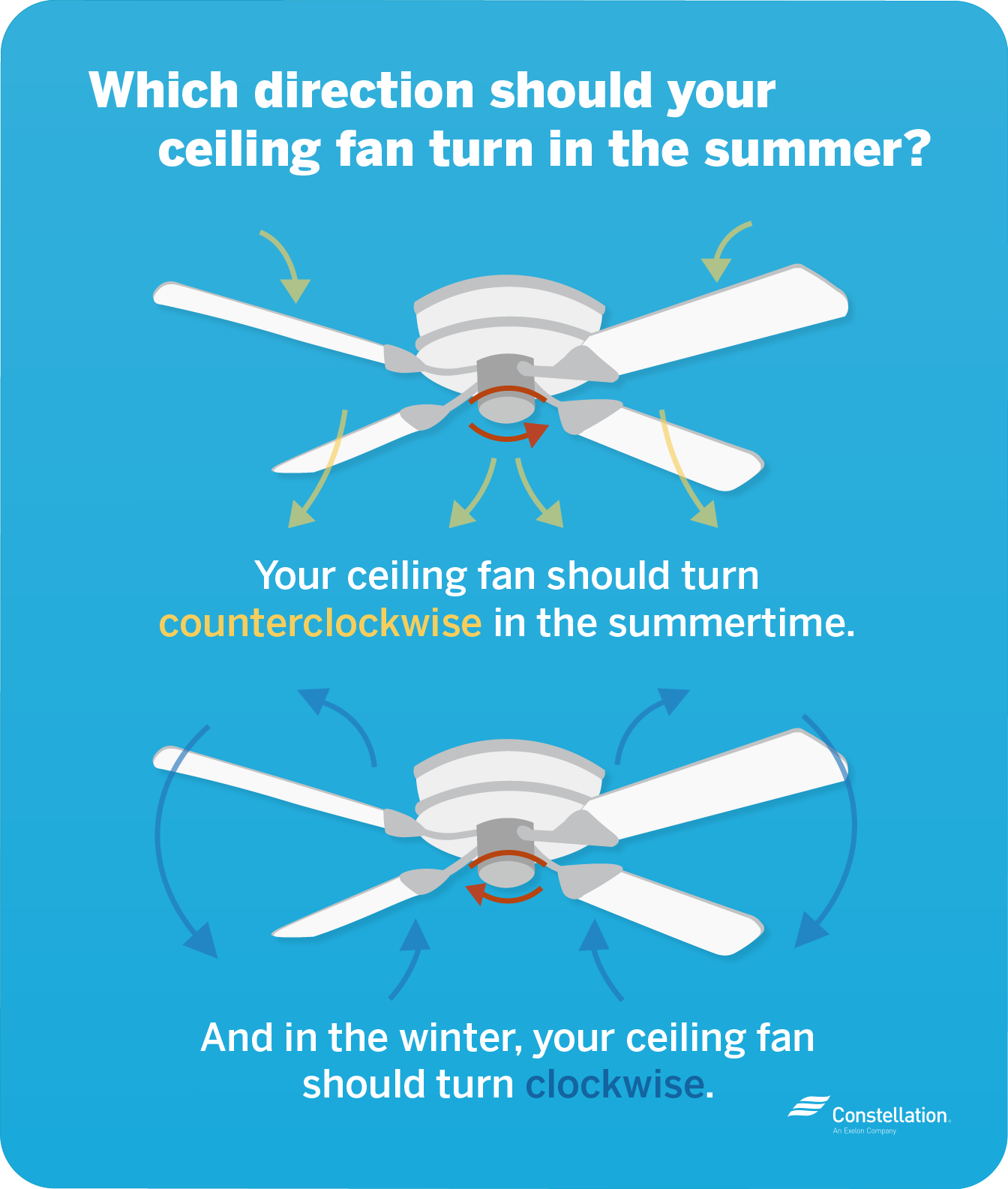
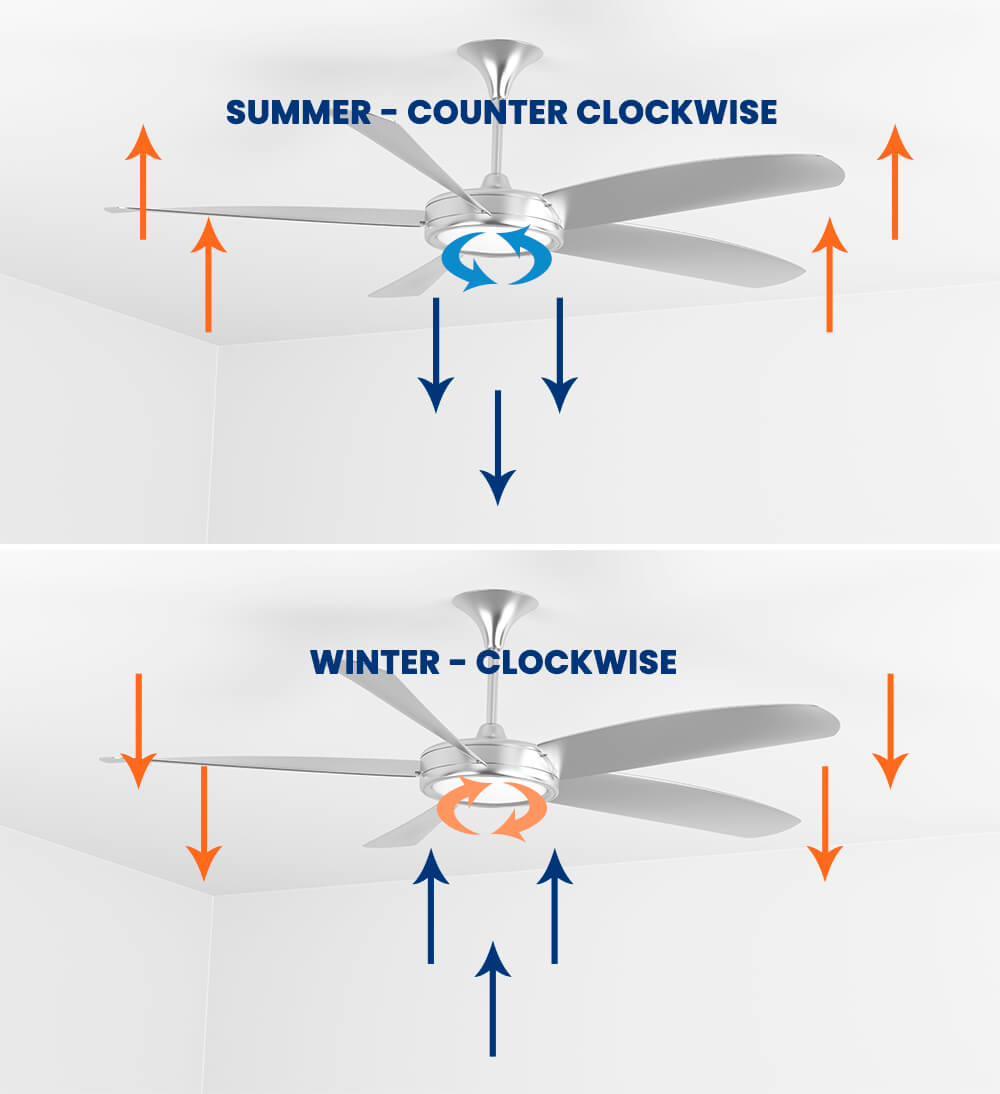
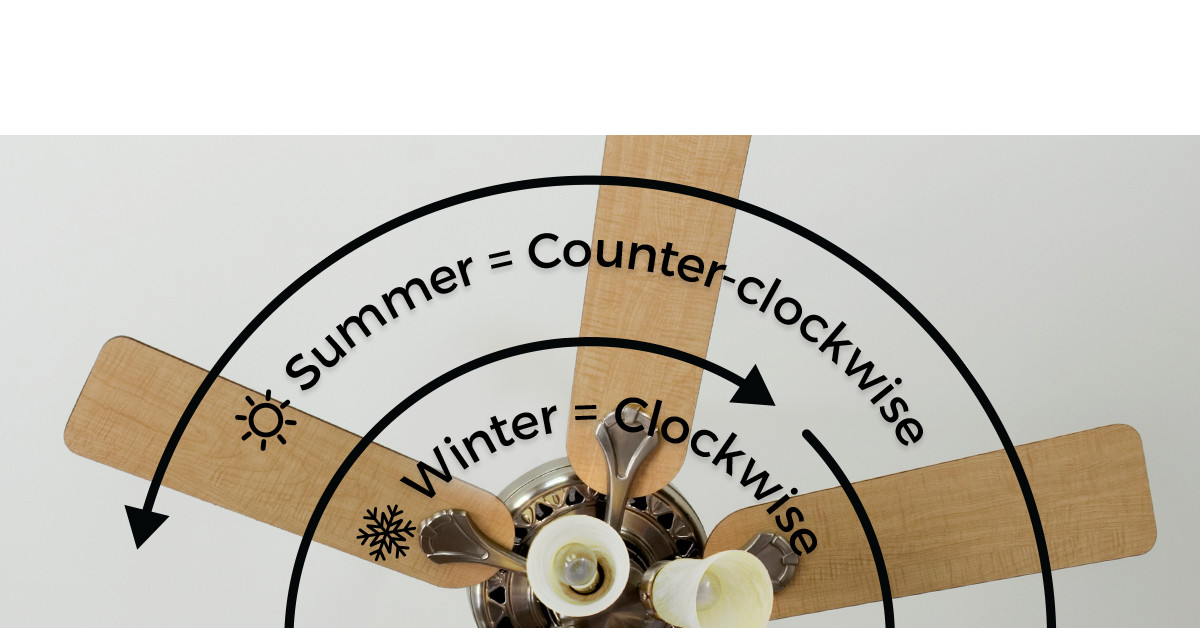
Fear not, intrepid temperature warrior, for I am here to unravel this swirling enigma. Let's cut straight to the chase, because frankly, it’s too hot for suspense. For summer, when you’re desperately seeking that sweet, sweet relief, your ceiling fan blades should be spinning… counter-clockwise. Yes, you heard me right. Counter-clockwise!
Imagine standing underneath it. If it’s doing its job, you should feel a distinct, glorious downdraft. A refreshing column of air raining down upon you like a tiny, personal air conditioner angel. If you’re getting more of a gentle, almost apologetic waft, or worse, nothing discernible at all, Houston, we have a problem. Or rather, you have a problem, and your fan is probably mocking you silently.
Why Counter-Clockwise? Because Science (Sort Of)!
Okay, let's get slightly nerdy for a second, but I promise to keep it spicy. When your fan spins counter-clockwise, it’s designed to push air straight down. This creates what we boffins like to call a "wind-chill effect." Think about it: a breeze on your skin makes sweat evaporate faster, and evaporating sweat is your body’s natural cooling system. It’s like magic, but with less glitter and more physics!
Here’s the kicker, though, and this is where most people get tripped up: a ceiling fan doesn’t actually lower the ambient temperature of the room. Not one degree! It doesn’t cool the air; it cools you. It’s a personal comfort device, not a miniature HVAC system. So, running it in an empty room is about as useful as teaching a goldfish to fetch – charming in theory, utterly pointless in practice. Waste of electricity, people!
Finding That Elusive Switch (The Fan's Secret Button)
Now that you know the sacred direction, how do you change it if your fan has gone rogue? Don't panic! You don't need a degree in mechanical engineering or a tiny fan wrench. Most ceiling fans have a little toggle switch, usually located right on the motor housing, just above the blades. It’s often small, sometimes a bit stiff, and might require a stepladder and a healthy dose of determination (and maybe a flashlight if your fan is a dust bunny convention).

Look for a small, sliding switch. Flip it! You’ll probably hear a satisfying click. Turn the fan back on and – voilà! – instant gratification. If it was previously spinning clockwise (the winter setting, which we'll touch on in a sec), you should now feel that glorious, direct breeze. If not, flip it back and try again. It’s a 50/50 shot, you can't really mess it up (unless you try to stick your hand in the blades, which I strongly advise against, unless you're aiming for a very specific kind of finger amputation).
The Shame of Spinning It Wrong
So, what happens if your fan has been merrily spinning the wrong way all summer? Picture this: it’s clockwise, drawing air upwards. Instead of that refreshing cascade, you’re just circulating the warm air that’s already risen to the ceiling. You’re essentially creating a very expensive, very inefficient warm air blender. You feel just as hot, if not hotter, and you're paying for the privilege. The horror! The indignity! The beads of sweat forming on your forehead as you realize your own fan has been betraying you!
It's like getting a fancy espresso machine but only making instant coffee. All the potential, none of the payoff. Don't be that person. Empower yourself with fan knowledge!
A Quick Winter Detour (Because You'll Thank Me Later)
Just for future reference, when the chilly winds blow and you're contemplating whether your heating bill will require selling a kidney, you'll want your fan to spin clockwise. This pulls the cooler air up, pushing the warmer air (which naturally rises) down the walls and back into the room. It’s a subtle circulation, not a direct breeze, helping to gently redistribute heat without making you feel like you're standing in a hurricane. Smart, right? Your fan is a seasonal shapeshifter!
Go Forth and Fan!
There you have it! No more confusion, no more sweaty guessing games. You are now officially a certified ceiling fan whisperer. Go forth, bravely climb that step stool (safely, please!), find that switch, and unleash the full, counter-clockwise glory of your ceiling fan this summer. Your brow, your armpits, and your overall sanity will thank you. And remember, the fan isn't cooling the room; it's cooling you. So, use it wisely, use it efficiently, and enjoy that sweet, sweet breeze!