
Which Way Ceiling Fan For Summer
Alright, settle in, grab a virtual iced latte, because we need to talk about one of summer’s most perplexing mysteries: which way on Earth should that glorious ceiling fan spin? It's a question that has probably sparked more heated (pun intended!) debates than whether pineapple belongs on pizza. Don't worry, friend, I’m here to unravel this swirling enigma and ensure your summer is nothing but blissfully breezy.
We’ve all been there. It’s a scorching August afternoon, the sun is trying its best to melt your brain, and you crank up the ceiling fan, only to feel... well, not much. Maybe a gentle whisper of air, like your fan is politely clearing its throat. You might even suspect it’s actually heating the room. You stand there, squinting upwards, trying to discern the direction, muttering incantations, wondering if you need a celestial navigation degree to figure it out. Spoiler alert: you don't!
The Summer Secret: It's All About the Breeze!
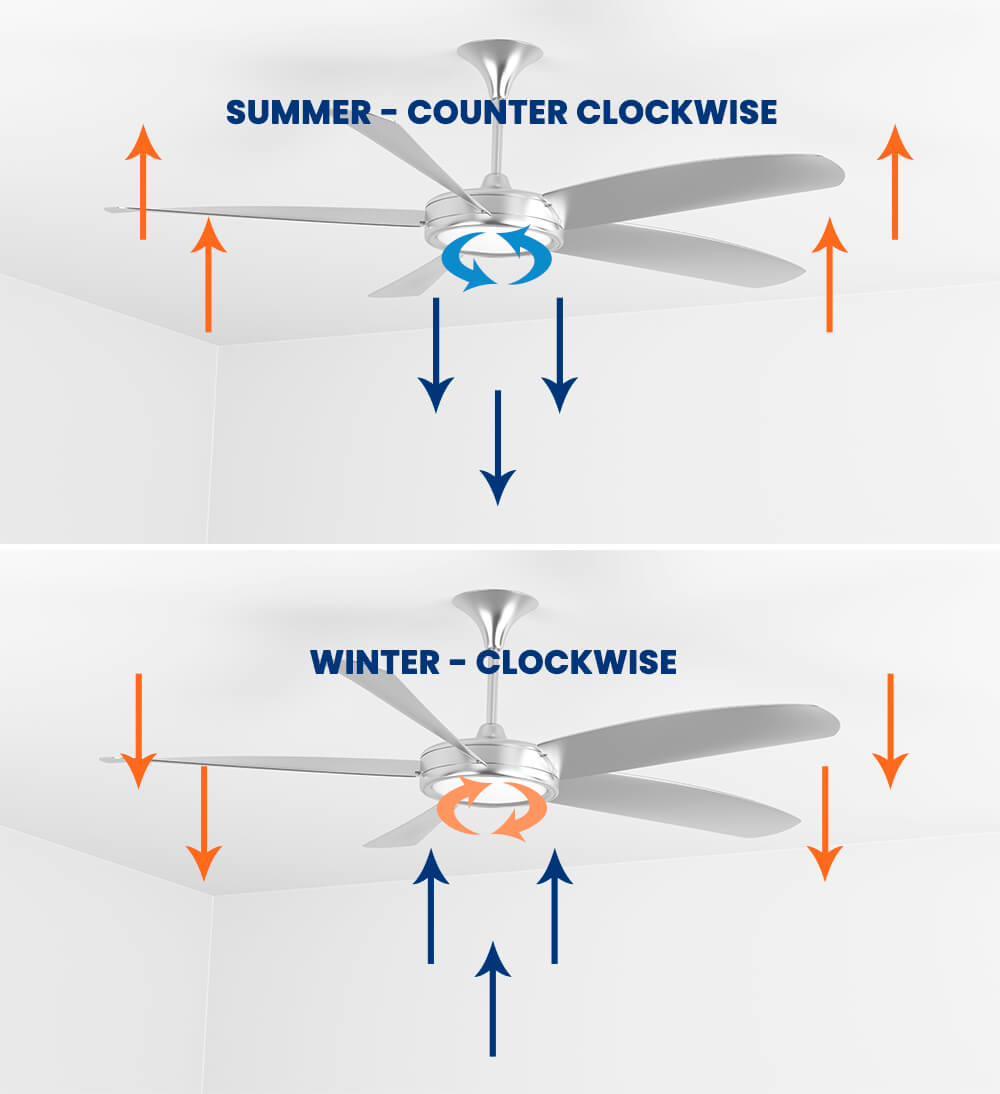
Here’s the big reveal, the juicy secret, the life-altering truth: for summer, your ceiling fan needs to spin so that it's pushing air downward. Think of it like this: you want a nice, refreshing column of air pressing down on you, creating a delicious wind-chill effect. It’s like having a personal assistant constantly fanning you with a giant palm leaf, but without the awkward small talk.
Must Read
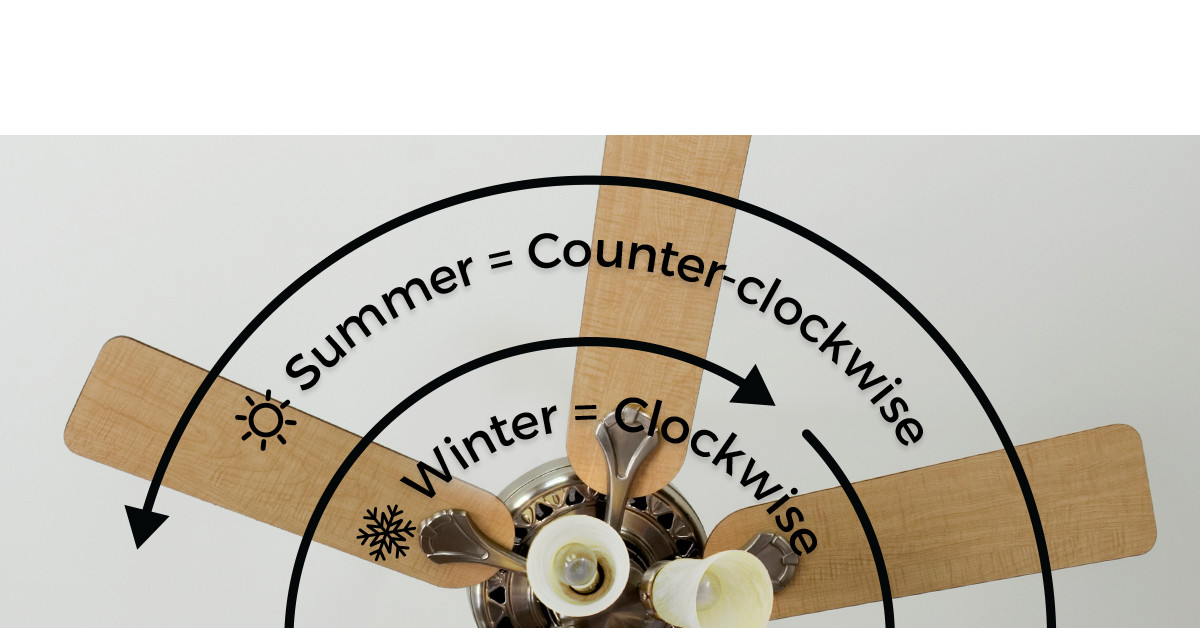
To achieve this glorious downward draft, your fan blades need to be rotating in a counter-clockwise direction when you're looking up at it. Imagine the hands of a clock going backward – that's your summer vibe! This movement creates a cool downdraft that evaporates sweat from your skin, making you feel significantly cooler. It's important to remember that the fan isn't actually lowering the room temperature; it’s just making you feel cooler. It's like standing in front of an open fridge door – you feel chilly, but the milk isn't suddenly -20°C.
How to Play Detective: Checking Your Fan's Direction
So, you’re looking up, squinting again, thinking, "Clockwise? Counter-clockwise? My brain is melting faster than an ice cream cone on asphalt!" Don't panic. There are two foolproof ways to tell.
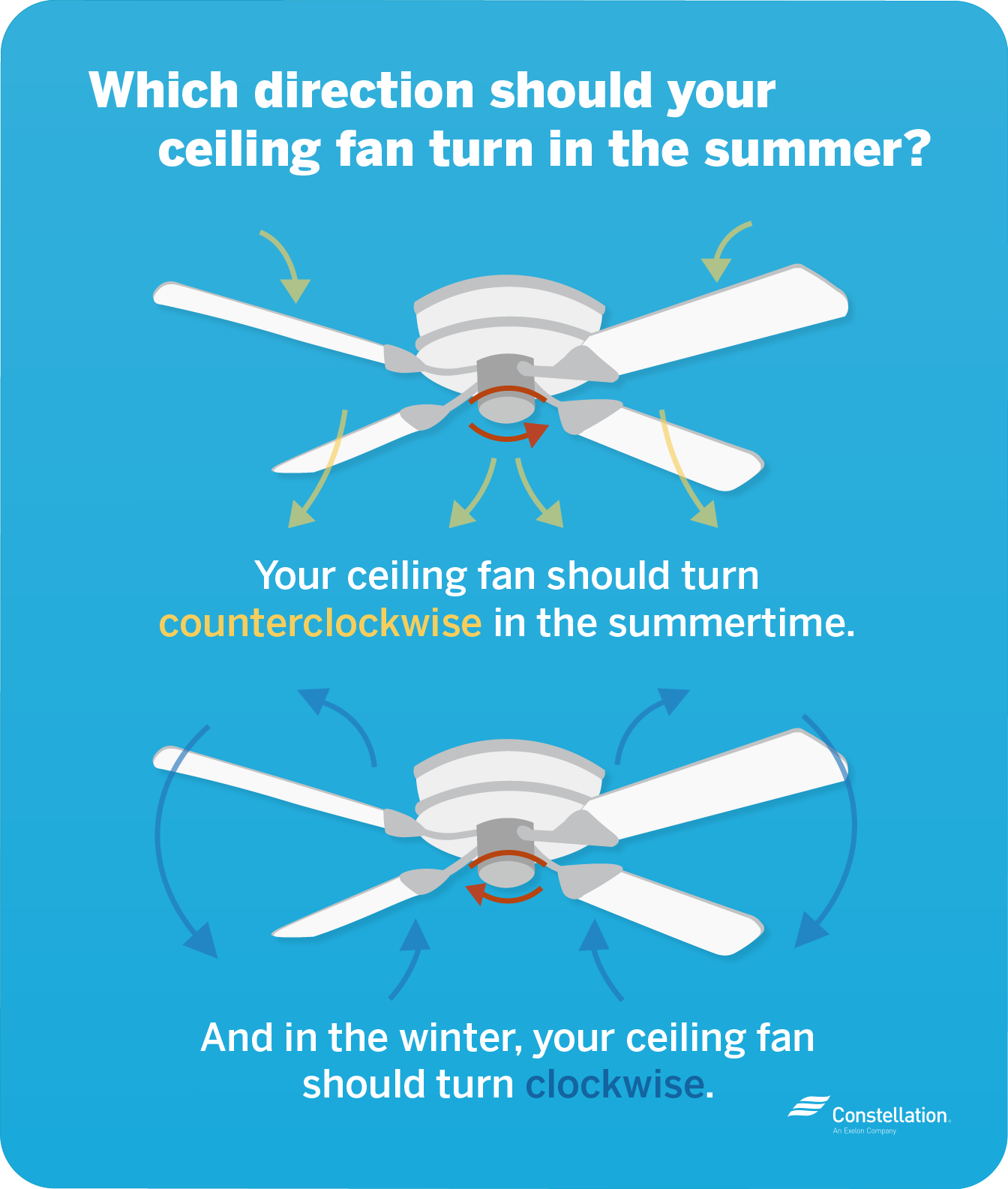
First, the visual test: Get directly underneath the fan and watch the blades. If they're moving from left to right, then up, then right to left, and down, like the top of the blades are coming towards you first, that's counter-clockwise. If the leading edge of the blade is coming around first and pushing air down, that's what you want.
Second, and far more definitive, is the "Breeze Test." Stand directly below your fan. If you feel a strong, direct breeze hitting you, congratulations! Your fan is already set to summer mode. If you feel a gentle, almost undetectable whisper, or worse, if you feel like the air is being sucked upwards, then it’s time for an adjustment.
Finding That Elusive Switch
Now, to change the direction, you’ll need to locate the reverse switch. This little marvel is usually a small toggle switch found on the motor housing of the fan itself, nestled somewhere between the blades and the ceiling. It’s often inconspicuous, like a shy button at a party. Some fancier, modern fans might even have a remote control setting for this, making you feel like a wizard of wind.
Crucial safety tip: Always, and I mean always, turn off your ceiling fan completely before attempting to flip this switch. Nobody wants to lose a finger in the name of comfort. It's not a fan, it's a rapidly spinning propeller of pain if you're not careful!
A Quick Detour: What About Winter?
Just for a fleeting moment, let's peek into the future (or past, depending on your hemisphere). In winter, you actually want your fan to spin clockwise at a low speed. This pulls cool air up, pushing warm air (which naturally rises) down the walls, gently recirculating it without creating a chilling breeze. It's like giving your heating system a little helpful nudge, making your room feel warmer and potentially saving you some money. But for now, let's keep our focus on battling the heat!

The Amazing Energy-Saving Superpowers!
Beyond simply feeling better, setting your fan the right way has a superpower: it saves you money! Studies (and your soon-to-be-lighter power bill) show that running a ceiling fan can make a room feel approximately 4 to 8 degrees Fahrenheit cooler than it actually is. This means you can often set your air conditioner thermostat higher – say, from 72°F to 76°F or even 78°F – and still feel perfectly comfortable.
Each degree you raise your thermostat can cut your cooling costs by about 3-5%. Do the math! That’s like finding free money under your couch cushions, only it’s consistently there every month. Your wallet will thank you, your AC unit will thank you for the break, and the planet might even give you a grateful nod.
Fan Fun Facts & Faux Pas
Here’s a common blunder: leaving your ceiling fan on in an empty room. Don't do it! Remember, fans cool people, not rooms. They don't lower the ambient temperature. Leaving a fan running in an empty space is about as useful as turning on your car's air conditioning when no one's in the car – a complete waste of energy. It's cooling the air, which then immediately warms up again. Your fan isn't an invisible ice cube machine, unfortunately.
Also, did you know that modern ceiling fans actually descend from the belt-driven fans used in factories in the 1860s? They weren't even electric at first! Imagine a series of fans all connected by belts, spinning away. It’s a testament to human ingenuity – or perhaps just an intense dislike of being sweaty.
Go Forth and Be Breezy!
So there you have it! The great ceiling fan mystery, demystified. With this newfound knowledge, you’re no longer just a homeowner; you’re a wind-directing maestro, a thermostat whisperer, a master of your own personal microclimate!
Go forth, check your fans, flip those switches, and bask in the glorious, energy-efficient breeze you've so rightfully earned. Your summer comfort (and your bank account) will thank you. Now, about that pineapple on pizza...