
Which Unit Of Electricity Does The Work In The Circuit
So, you're staring at a string of holiday lights, or maybe your phone charger, and you're thinking, "Electricity! But what part of electricity is actually doing the work?" It's a surprisingly common question, and the answer, while simple at its heart, can be a bit of a head-scratcher.
Let's imagine a tiny, bustling city. Think of it like the inside of a wire. In this city, we've got different types of citizens. We've got the infrastructure – the roads, the buildings, the pipes (think of these as the actual metal of the wire). But who's doing the deliveries? Who's bringing the energy from one place to another? That's where our main player comes in: the electron.
Electrons: The Tiny Delivery Drivers of Electricity
Electrons are super tiny particles with a negative charge. They're basically the miniature delivery drivers of the electric world. They don't just sit still; they're constantly zipping around, bouncing off things, and generally causing a bit of chaos (in a good way!).
Must Read
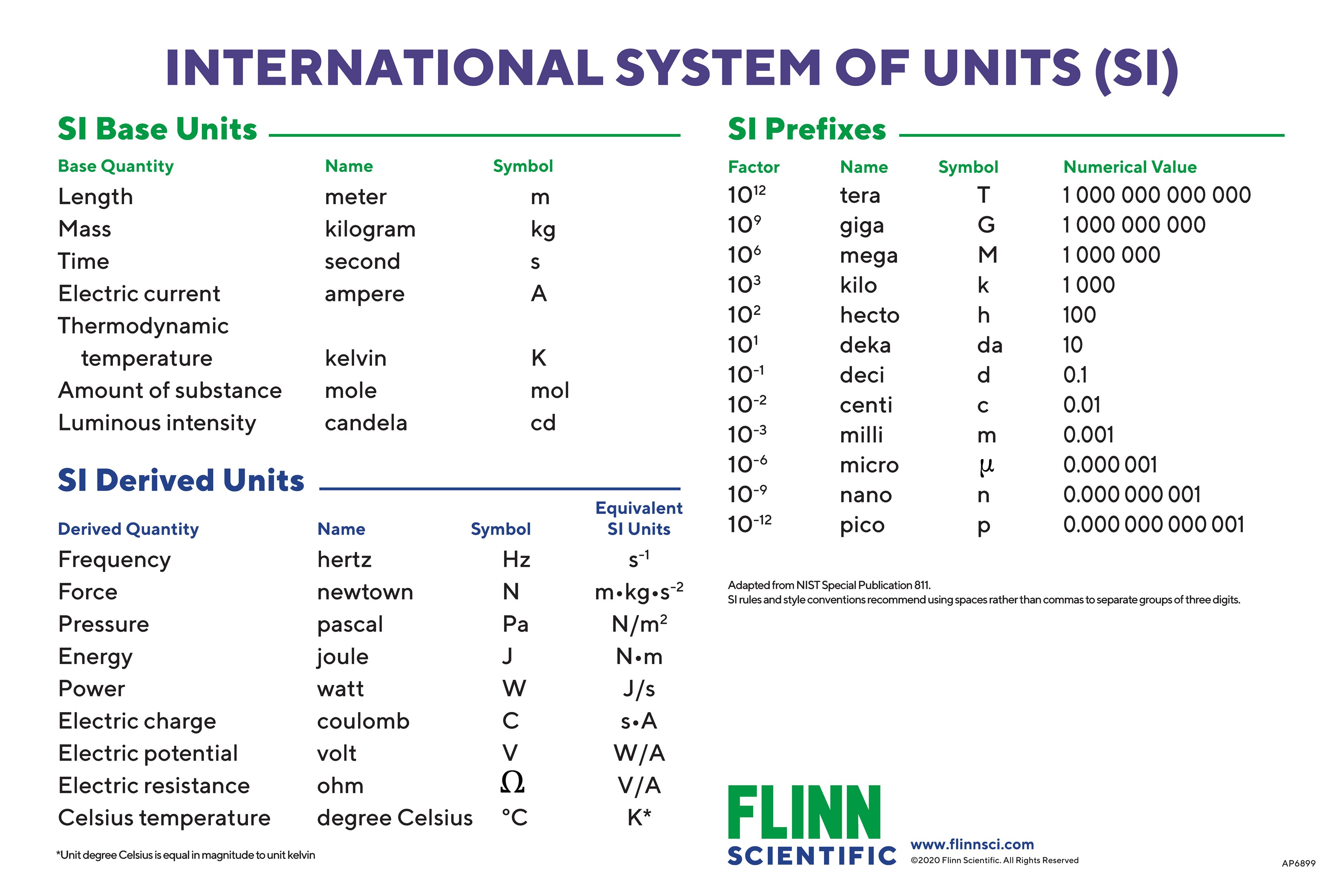
Now, imagine a battery is like a water pump. It creates a pressure, pushing these little electron delivery drivers along. This "push" is what we call voltage. The higher the voltage, the bigger the push, and the faster these electrons zoom along.
Think of it like this: your phone needs power to charge. The charger (connected to the wall outlet) has a certain voltage. That voltage pushes the electrons through the wire to your phone. These electrons, carrying energy, then interact with the components inside your phone to charge the battery. The phone "eats" the energy brought by electrons and stores them.
It's All About the Flow
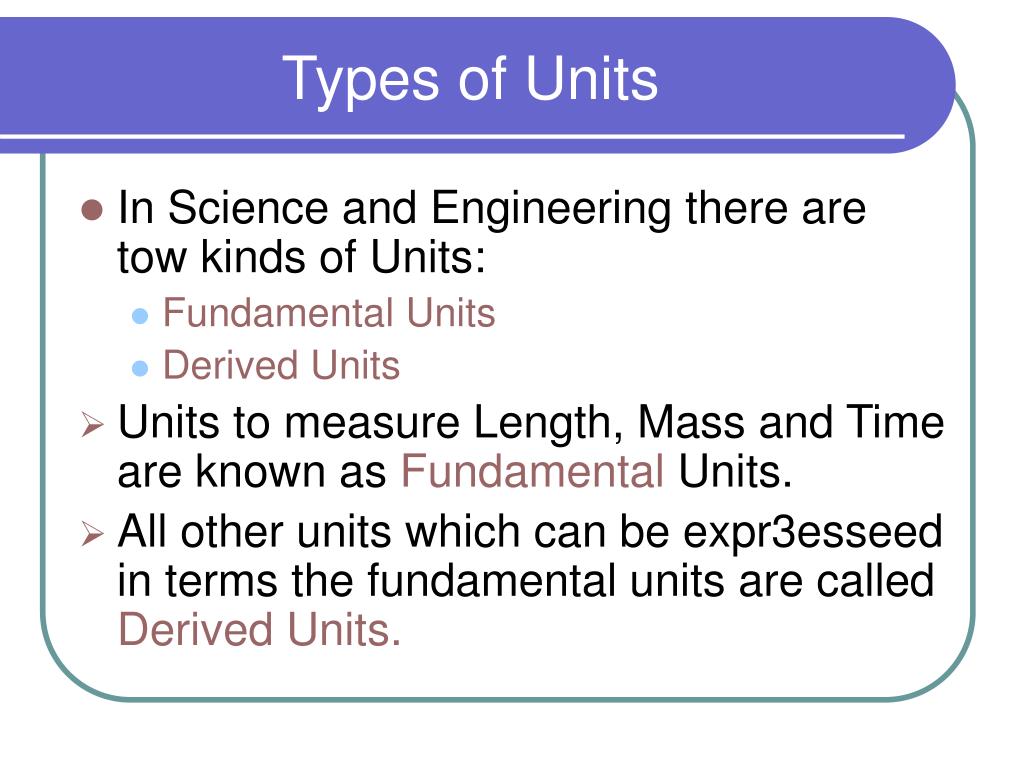
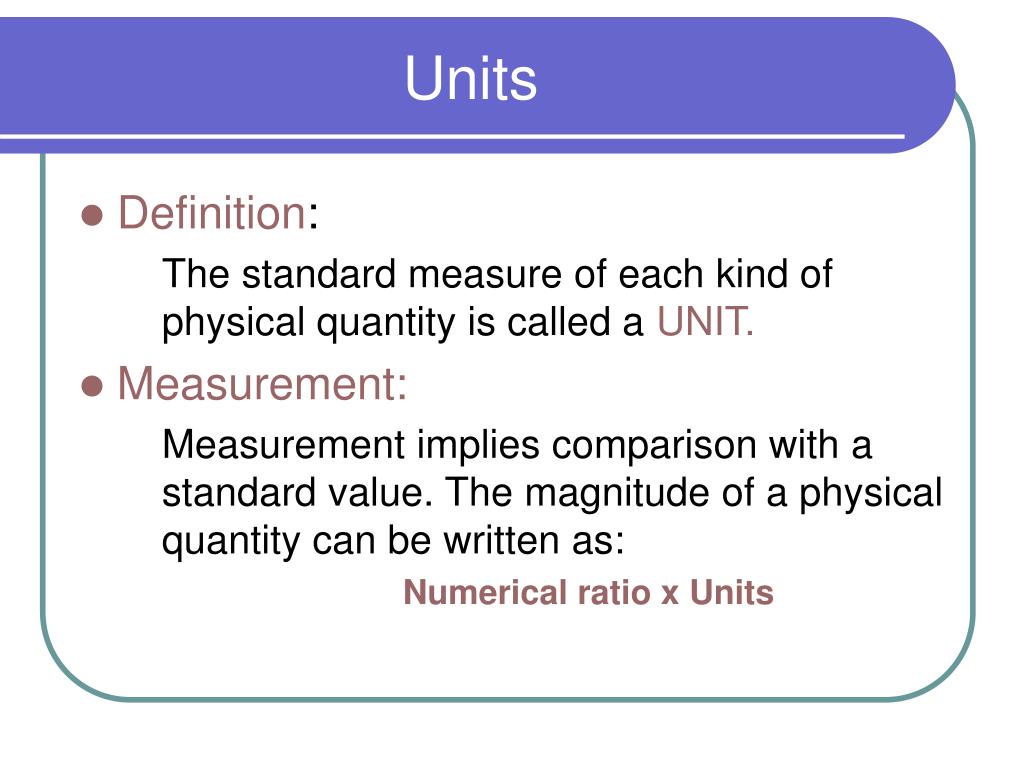
The actual "work" happens because of the movement of these electrons. This movement is what we call current, measured in Amps. More electrons flowing means more current, and more current means more work can be done. Think of a river – a wide, fast-flowing river can power a big mill, right? Same principle!
So, while voltage is the push and current is the flow, it's the electrons, the tiny delivery drivers, that are actually carrying the energy and doing the heavy lifting.
"It's not the voltage that does the work; it's the current! Voltage is just the potential; the electrons are the ones making things happen." - Some smart electrician, probably.
Let's bring it back to the holiday lights. Those little bulbs light up because the electrons are pushed through them. As the electrons flow through the filament in the bulb, they bump into atoms, releasing energy in the form of light and heat. It's a tiny, electrifying dance party happening inside each bulb!
A Heartwarming Analogy (Maybe?)
Okay, here's a slightly cheesy analogy, but bear with me. Imagine you're baking a cake for your best friend's birthday. The ingredients (flour, sugar, eggs) are like the energy. The recipe (the circuit) tells you how to combine them. But you are the electron! You're the one who mixes the ingredients, puts the cake in the oven, and makes it all happen. Without you, the ingredients just sit there. Without electrons, the energy just sits there.

So, next time you flip a light switch, charge your phone, or marvel at an electrical gadget, remember those tiny, hardworking electrons. They're the unsung heroes of the electrical world, tirelessly delivering the energy that makes our modern lives possible. They're small, but mighty!
And remember, be safe around electricity! Those little electron delivery drivers can pack a punch if you don't treat them with respect.
