Which Type Of Ceramics Is Used For Making Bricks
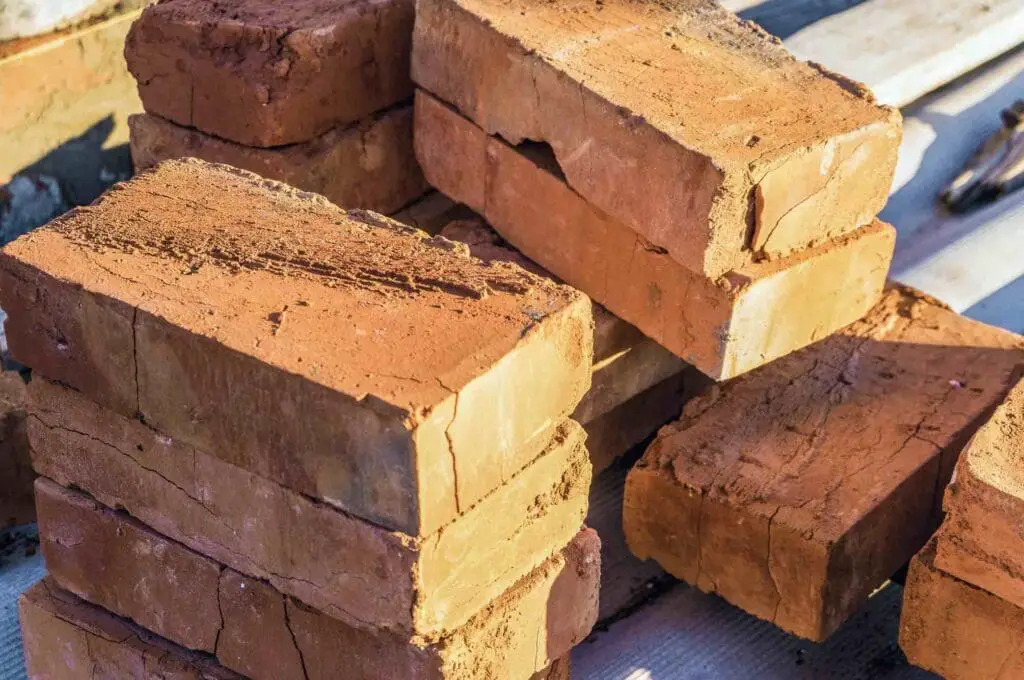
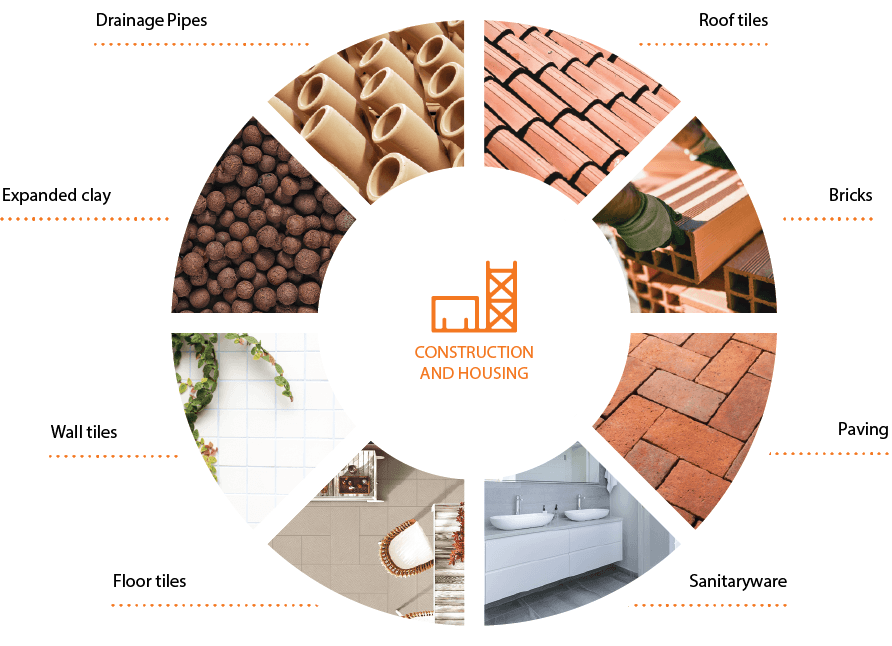
From towering skyscrapers to charming garden walls, bricks are everywhere! They're the unsung heroes of construction, and their humble appearance belies a fascinating story rooted in the earth itself. But what type of ceramic magic gives us these sturdy rectangular building blocks? The answer lies primarily with earthenware clay.
While earthenware might not be as glamorous as porcelain or as tough as stoneware, it’s the workhorse of brickmaking for good reason. Its forgiving nature and abundance make it an ideal choice. But why should artists, hobbyists, or even just the curious know this? Understanding the properties of earthenware, and how it translates into bricks, opens up a world of creative possibilities. Think beyond the red brick wall! Knowing the basics allows you to appreciate the material on a deeper level, even inspire your own artistic ventures.
Imagine this: Instead of just seeing a plain brick, you understand the journey of the clay from the earth, molded, fired, and transformed into a durable building material. This understanding can then spark inspiration. Perhaps you'll be inspired to create miniature brick sculptures, design intricate brick mosaics for your garden, or even explore the fascinating world of clay chemistry to create your own custom brick-like tiles. The possibilities are endless! Think about the different styles of bricks – the classic red brick, the weathered London brick, the textured Roman brick. Each has its own unique character derived from the type of clay used, the firing process, and even the addition of materials like shale or sand. Subjects for artistic exploration could include creating miniature architectural models, experimenting with different brick patterns, or even deconstructing the idea of a brick altogether through abstract ceramic art.
Must Read
Want to experiment with the magic of earthenware at home? While firing a brick in your backyard might not be the best idea, you can still get a taste of working with earthenware clay. Start with a small project like making miniature clay tiles. You can find earthenware clay at most craft stores. Remember, earthenware shrinks during firing, so consider this when designing your project. Also, it's important to wedge the clay to remove air bubbles before you start. This prevents explosions in the kiln! If you don’t have access to a kiln, look for community art centers or pottery studios that offer firing services. Experiment with different surface textures and finishes using simple tools like sponges, stamps, or even leaves. Don't be afraid to get your hands dirty and embrace the imperfections.
Ultimately, understanding that bricks are primarily made from earthenware and how they are made adds another dimension of appreciation. It allows you to see the artistry in the ordinary, to connect with the earth's raw materials, and perhaps even discover a hidden talent for ceramic art. The process, from raw clay to finished product, is inherently satisfying. It's about creation, transformation, and leaving your mark, even if it's just a tiny brick in a grand wall of inspiration. Working with clay, even in a small way, is a grounding experience. It's about connecting with a material that has been used for millennia, a material that has shaped civilizations and built the world around us. And that, in itself, is incredibly enjoyable. So, go ahead, get your hands dirty and discover the joy of earthenware!