
Which Statement About Structural Steel Is Correct

Hey there, steel enthusiast! Or maybe you just stumbled in here looking for some quick info. Either way, welcome! Today we're diving headfirst (safely, of course – wear a hard hat!) into the wonderful world of structural steel and figuring out which statement about it is actually, you know, correct.
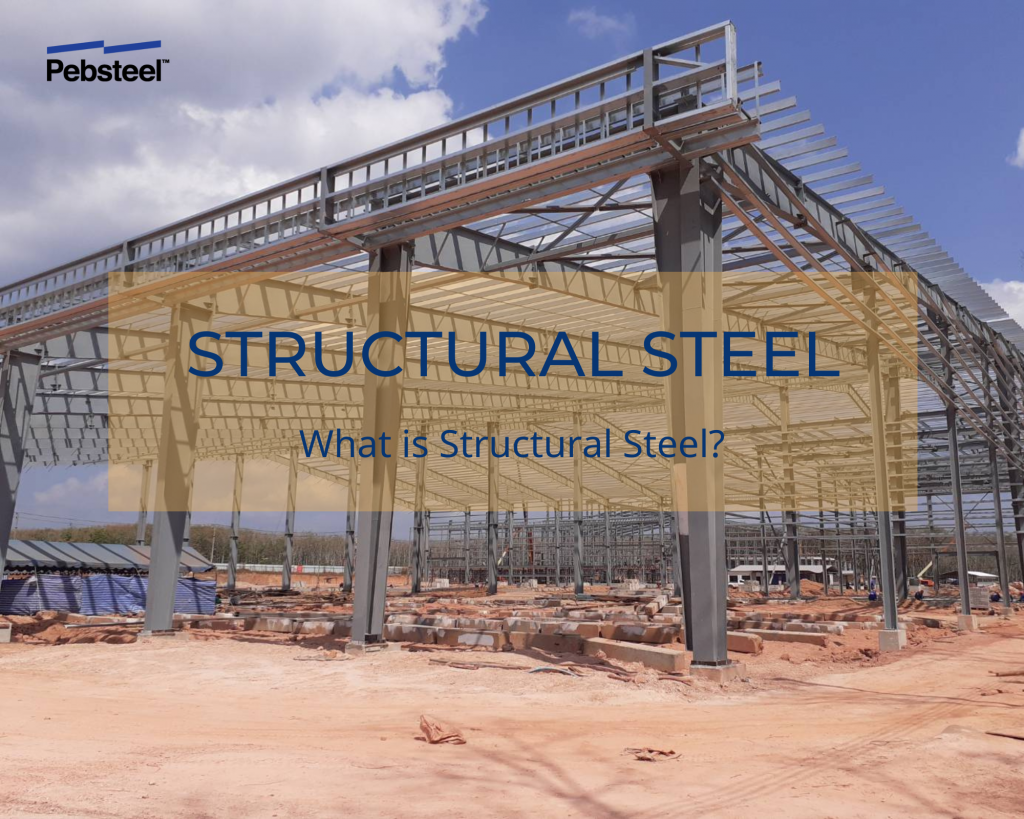
Think of structural steel like the bones of a building, or a bridge, or that really impressive roller coaster you rode last summer. It's the stuff that gives everything its strength and keeps it from, well, collapsing. Nobody wants that!
So, What's the Big Deal?
Structural steel is a bit of a rockstar in the construction industry. It's strong, it's relatively easy to work with (for trained professionals, obvi), and it can be recycled. Plus, it just looks cool, especially when it's all exposed in a modern building. But with great power comes great responsibility... to understand it!
Must Read
Let's cut to the chase. You've probably seen a few statements floating around about structural steel. Some might be true, some might be... well, let's just say they're stretching the truth a bit. So, let's debunk some myths and nail down the facts.
Statement Showdown!
I’m going to skip presenting specific statements (since you didn’t provide them!) and instead highlight common misconceptions and truths about structural steel, in a way that’ll arm you with the knowledge to identify the correct statement if you saw it!
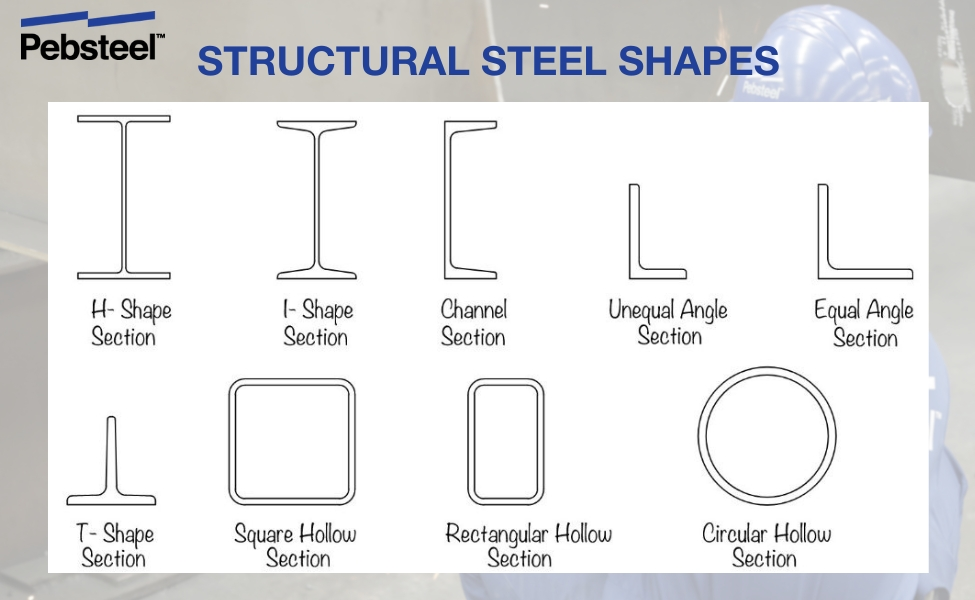
Misconception #1: All steel is created equal. Nope! This is like saying all dogs are the same. You've got your Chihuahuas and your Great Danes, right? Steel is similar. There are different grades of structural steel, each with different strengths and properties. Some are better for bridges, others for skyscrapers. Choosing the right one is crucial!
Truth #1: Structural steel is incredibly strong, especially in tension and compression. That means it can handle being pulled apart and squeezed together without breaking a sweat (or, you know, cracking). This is a major reason why it’s used in things that need to support a lot of weight.
Misconception #2: Steel never rusts. Oh, if only! Steel is susceptible to rust, which can weaken it over time. That's why it's often coated with paint, galvanization, or other protective layers. Think of it like sunscreen for steel! Protect your investments.
Truth #2: Structural steel is often prefabricated off-site. This is a game-changer! Imagine building a giant Lego set, but with tons of planning and very heavy pieces. Prefabrication speeds up construction, reduces waste, and can improve overall quality. Less on-site welding? Yes, please!
Misconception #3: Steel is super heavy, so it's always the most expensive option. While it's true that steel has a significant weight, the cost-effectiveness depends on the specific project. Remember, steel is strong, allowing for thinner sections and potentially less material overall. Plus, the speed of construction thanks to prefabrication can save you money in the long run. So, it's not always the priciest option! Do your research! Always!

Truth #3: Steel is recyclable. That's right! Structural steel is a champion of sustainability. When a building is demolished, the steel can be melted down and reused to make new steel. It's like the ultimate comeback kid. Pretty cool, huh?
The Correct Statement… is Out There!
So, while I can't tell you exactly which statement about structural steel is correct without seeing the options, I've given you the ammo you need to make an informed decision. Remember these key takeaways:
- Different grades of steel exist with varying strengths.
- Steel is strong in tension and compression.
- Steel is susceptible to rust and needs protection.
- Prefabrication is common.
- Steel is recyclable!
Now go forth and conquer those structural steel questions! You've got this! And remember, even if you get it wrong the first time, learning is a process. Just keep building your knowledge base, one steel beam at a time. (Metaphorically, of course. Unless you are a structural engineer. In that case, keep building real ones, too!) 😉
