
Which State Has The Most Nuclear Power Plants

Alright, settle in, grab your favorite beverage (mine's a sparkling elderflower pressé, naturally), and let's talk about something a little… powerful. We're diving into the world of nuclear energy and answering a burning question: which US state is the undisputed king of the nuclear power plant hill?
Now, before you picture Homer Simpson at the Springfield Nuclear Power Plant (mmm, donuts!), let's clarify. We're talking serious business here. Nuclear power is a significant source of electricity in the United States, providing a reliable, low-carbon option. But which state has embraced it the most? The answer might surprise you… or maybe not.
The Nuclear Champion: Illinois Takes the Crown
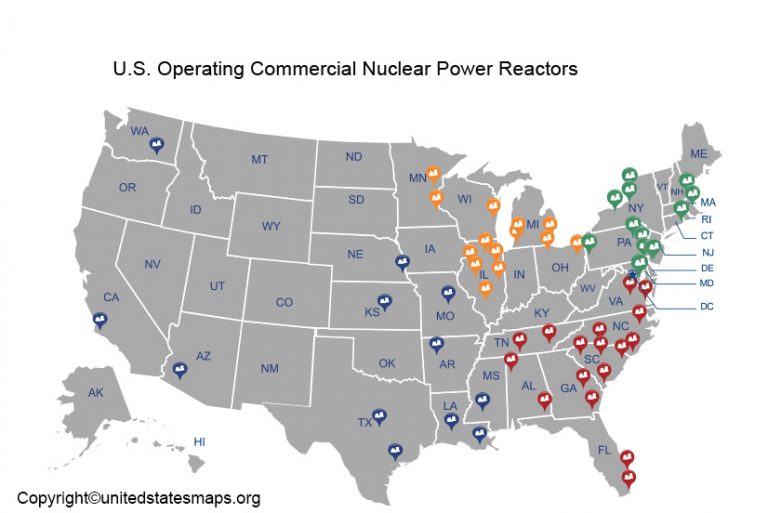
Drumroll please… The state with the most nuclear power plants in operation is Illinois! Yes, the Land of Lincoln, deep-dish pizza, and… a whole lotta nuclear energy. As of today, Illinois boasts a whopping eleven operating nuclear reactors across six power plants. That's enough to power millions of homes and businesses.
Must Read
Why Illinois? Well, a few factors come into play. The state has a long history with nuclear energy, having established its first nuclear power plant way back in the 1960s. Geography also plays a role, with access to abundant water sources essential for cooling reactors. Politically, Illinois has generally been supportive of nuclear energy, recognizing its importance in providing a stable and reliable energy supply.
A Quick Nuclear Power Primer (Because We’re All Curious!)
Okay, let's brush up on our nuclear knowledge (think of it as trivia night prep!). Nuclear power plants use the heat generated from nuclear fission – the splitting of atoms – to produce steam. This steam then drives turbines, which in turn generate electricity. It's a complex process, but the basic principle is similar to how other power plants work, just with a different source of heat.

Fun Fact: Uranium, the primary fuel used in nuclear power plants, is naturally occurring and can be found in rocks all over the world! It's like the geological equivalent of finding money in your couch cushions, only way more complicated to process.
Beyond Illinois: The Nuclear Landscape
While Illinois reigns supreme, several other states are significant players in the nuclear power game. Pennsylvania, with nine reactors, and South Carolina, with seven, are close contenders. Other states with notable nuclear power capacity include North Carolina, Alabama, and Georgia.

Tip for the Eco-Conscious Traveler: When planning a road trip, consider the energy sources in the states you're passing through. Knowing where your electricity comes from can help you make informed choices about your carbon footprint, even on vacation.
The Future of Nuclear Energy: A Shifting Landscape
The future of nuclear energy in the US is a topic of ongoing debate. Some argue that it's a vital component of a clean energy future, providing a reliable, low-carbon baseload power source. Others raise concerns about safety, waste disposal, and the high cost of building and maintaining nuclear power plants.
There's also a growing interest in new nuclear technologies, such as small modular reactors (SMRs). These smaller, more flexible reactors could potentially be deployed in a wider range of locations, making nuclear energy more accessible and affordable.

Cultural Reference: Remember the movie "Chernobyl"? While a fictionalized account, it highlights the importance of safety and responsibility in the nuclear industry. It's a stark reminder of the potential consequences of mistakes and the need for constant vigilance.
Practical Takeaways: What Does It All Mean for You?
So, what does all this nuclear knowledge mean for your daily life? Well, for starters, it's good to be informed about the sources of your electricity. Knowing where your power comes from allows you to make more conscious choices about your energy consumption.
Beyond that, understanding the complexities of energy production can help you engage in informed discussions about energy policy and climate change. Whether you're chatting with friends, voting in elections, or simply trying to reduce your carbon footprint, having a basic understanding of nuclear energy (and other energy sources) is essential.
Ultimately, the debate about nuclear energy is about balancing the need for reliable and affordable electricity with the desire for a clean and sustainable environment. It's a complex issue with no easy answers, but by staying informed and engaging in thoughtful discussion, we can all contribute to finding solutions that work for our communities and our planet.
Reflection: Next time you flip a light switch, take a moment to consider where that electricity comes from. Is it from a coal-fired power plant, a wind farm, or maybe even a nuclear reactor in Illinois? Understanding the journey of that energy can help you appreciate the interconnectedness of our world and the choices we make every day.