
Which Side Of An Outlet Is Hot

Ever stare at an electrical outlet? Like, really stare? You might think it's just two slots and a circle. Boring, right? Wrong! There's a whole secret world hiding in plain sight. A world of hot and neutral, just waiting to be explored. Let's peel back the curtain, shall we? You'll be the coolest person at the next dinner party, guaranteed.
The Case of the Curious Slots
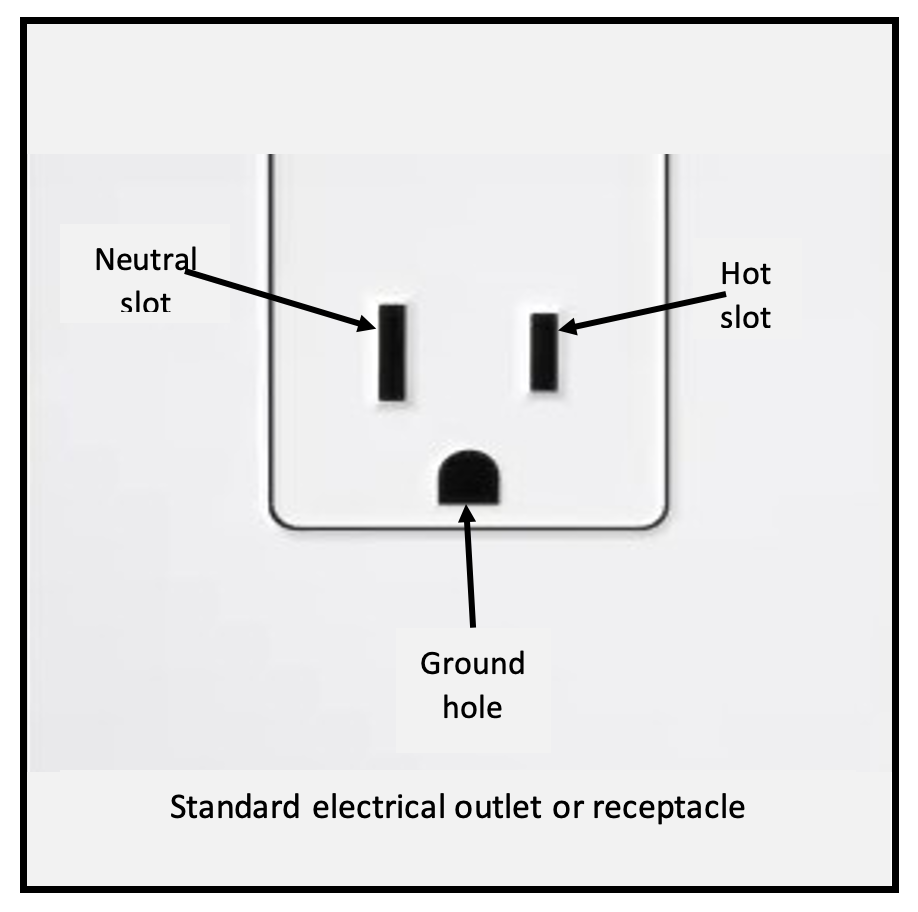
Okay, confession time. Most of us just jam a plug in and don't give it a second thought. But have you ever noticed that the two vertical slots aren't actually the same size? Mind. Blown. This isn't some manufacturing oversight, my friend. It's a feature, not a bug! In fact, once you see the outlet as a tiny, surprised face staring back at you – two eyes and an open mouth – you can’t unsee it!
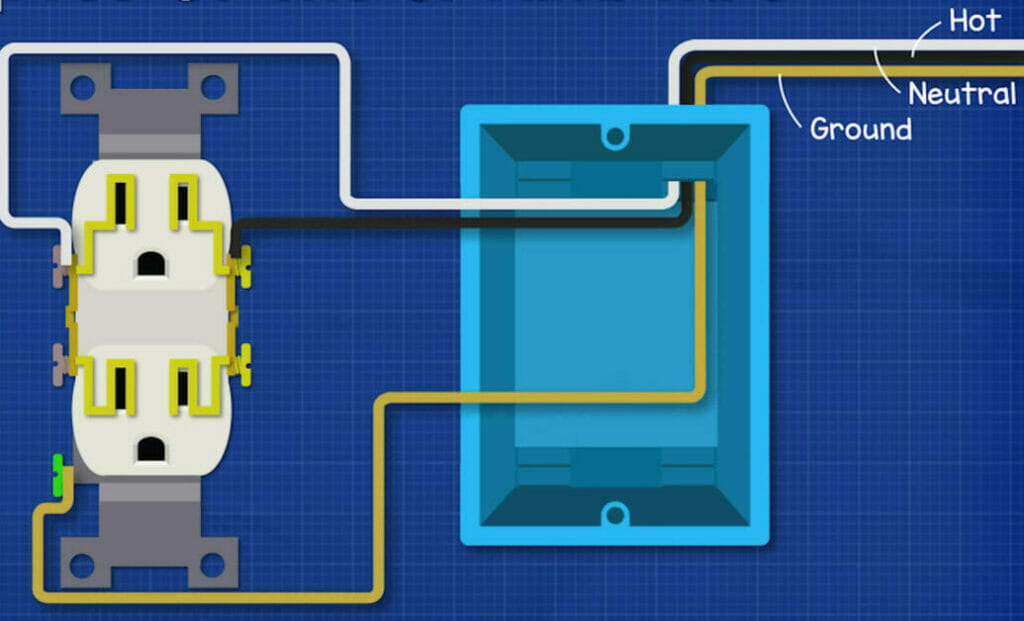
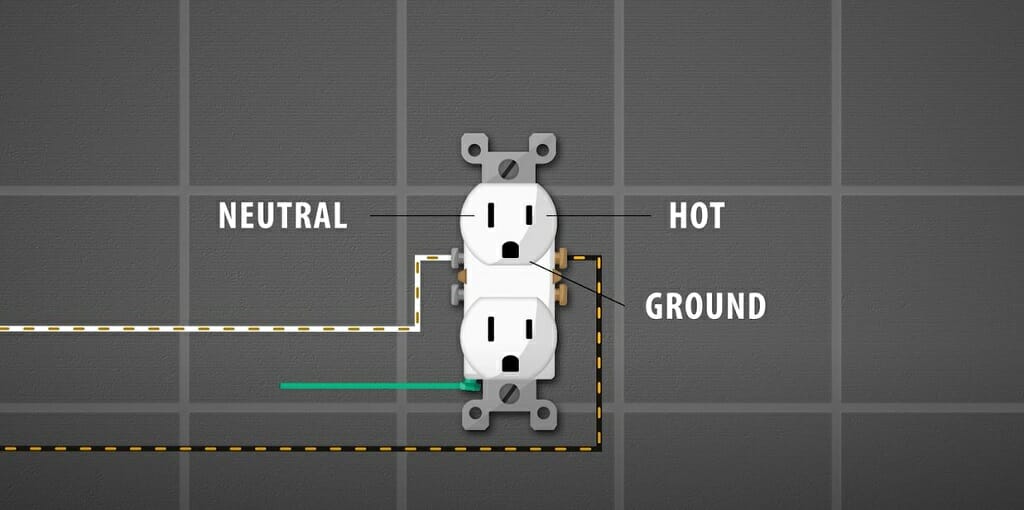
The smaller of the two slots? That's our star today. That's the hot wire side. Yup, the one carrying the actual electricity, the juice, the zap! It's constantly buzzing with 120 volts, just waiting to power your phone or your toaster. Pretty neat, huh?
Must Read
Then we have the other slot, the taller, wider one. That's the neutral side. Think of it as the return path, the chill highway for electricity to flow back to the panel, completing the circuit. It's crucial for everything to work smoothly, without any drama.
And what about that little round guy at the bottom? The third hole, often looking like the surprised O-face? That's the ground. It's your personal electrical bodyguard, a super important safety feature. If something goes haywire, like a stray current, the ground wire swoops in, diverting excess electricity safely away into the earth. Total hero moves!
Why the Size Difference? It's a Tale as Old as Time! (Sort Of)
So, why the size discrimination? Why isn't everything just perfectly symmetrical? Well, back in the day, when electricity was still a bit of a wild child, plugs weren't polarized. You could stick them in either way! Fun, right? Before these standardized outlets, people even used screw-in light sockets to power early appliances! Imagine the chaos.
But engineers, being the clever clogs they are, realized this wasn't always ideal. For certain appliances, like lamps with a switch, it mattered which side was hot. If the switch was on the neutral side, the lamp socket could still be "hot" even when switched off, leading to a nasty surprise if you touched it while changing a bulb. Yikes! Safety first, always.
Enter the polarized plug and the different-sized slots. This brilliant invention ensured that the hot wire always connected to the hot side of the appliance, and the neutral to the neutral. This precise alignment prevents shocks, extends appliance life, and generally keeps your home safer. It's a simple change that made a monumental difference for proper appliance operation and peace of mind. Go, engineers!

The Fun Side of Polarity: Appliances with Personality
Ever notice that some plugs only go in one way? Like, you try to flip it, and it just won't fit? That's your polarized plug flexing its muscles! It's got one blade wider than the other, precisely to match those asymmetrical outlet slots. It's like a secret handshake for electricity, ensuring everything lines up perfectly.
Think of your phone charger, your hairdryer, your toaster. Many of them sport these special plugs. They're designed to make sure the electricity flows exactly as intended, protecting both you and your gadgets. It's a tiny detail that ensures your electronics are happy and you stay safe.
What Happens If You Mess It Up? (Don't Try This At Home, Kids!)
Imagine, just for a moment, an alternate universe where someone wired an outlet backward. The hot wire goes to the wide slot, and neutral to the narrow. What happens? Does the world explode? Probably not, but it's definitely not ideal.
Your polarized appliances wouldn't know the difference... initially. They'd still get power, but their internal wiring would be "hot" where it's supposed to be neutral. This can increase the risk of shock, make an appliance behave strangely, or even lead to short circuits. That's when you might hear a pop!, see a flash, smell something funky (like ozone – definitely not a good sign!), and maybe trip a breaker. Electrical mischief, indeed! This precise design avoids such dramatic, sparky outcomes.
How to Spot the Hot Side (Safely!)
Now that you're an expert on outlet anatomy, you might be tempted to peek. Remember, never stick anything into an outlet to test it! Seriously, don't. That's how superheroes get their powers in movies, not how regular folks learn about electricity safely.
But if you really want to confirm your newfound knowledge, an electrician uses a simple, hand-held tool called a voltage tester. It can safely tell you which slot is hot without any drama. For now, just trust your eyes and newfound wisdom: the narrower slot is the hot one. And don't even get me started on international outlets! Each country has its own quirky design, making travel adapters a real-life puzzle of power connectivity.
A World Full of Watts and Wonder
So, there you have it! The humble electrical outlet, no longer just a boring wall fixture, but a fascinating little gateway to the electrical grid. It's got its quirks, its safety features, and a history that's surprisingly interesting.
Next time you plug something in, give a little nod to those unsung heroes: the hot wire, the neutral, and the ground. They're working together, silently and efficiently, to power your life. Who knew a couple of holes in the wall could be so engaging? Now go forth and impress your friends with your newfound outlet wisdom!