Which Of These Devices Requires A Defrost Function

Okay, so picture this: I'm staring into my freezer, battling a glacier. Not in Antarctica, mind you, but right in my own kitchen. Huge, imposing ice formations are clinging to every surface, stealing precious ice cream real estate. I'm convinced there's a lost woolly mammoth in there somewhere. And it hit me: why this appliance, but not that one? Why do some things need defrosting while others just...don't? It's a question that's plagued humanity (probably, right?) since the dawn of refrigeration. Let's dive in!
The Usual Suspect: Your Freezer (Probably)
Let's get the obvious one out of the way first. If you own a freezer – upright, chest, or built-in – chances are, it requires defrosting. Well, unless you're living in the future with a fancy frost-free model (more on those later!). See, freezers work by rapidly cooling things down, often below the freezing point of water. And where there's moisture, there's ice. It's just science, baby! This constant cycle of freezing leads to ice buildup inside.
Why is that a problem? Two reasons, mainly. First, all that ice takes up space, which means less room for your Ben & Jerry's. Second, it makes your freezer work harder to maintain its temperature. And a harder-working freezer means higher energy bills. No one wants that!
Must Read
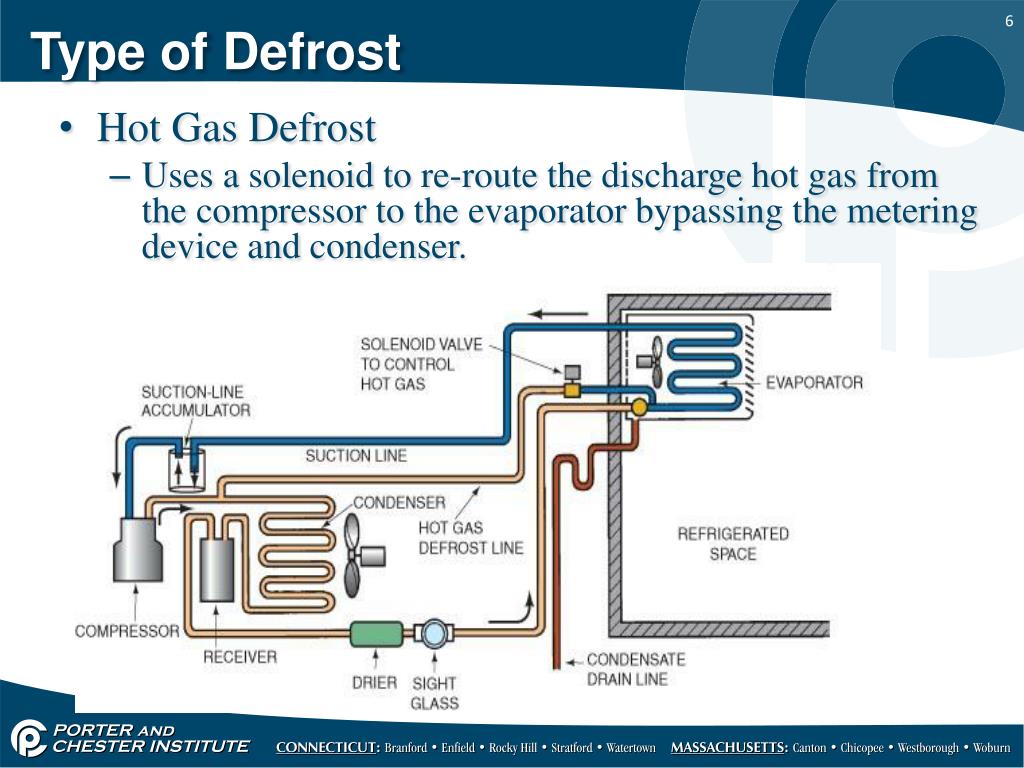
Now, some freezers have an automatic defrost cycle, which is a game-changer. These freezers periodically warm up the interior for a short time to melt the ice, which then drains away. Pretty neat, huh? But even these might need a manual defrost every now and then, especially if you're a door-opening fiend. Guilty as charged.
Refrigerators: A Maybe (But Still Keep Reading!)
Refrigerators are a bit trickier. Older refrigerators, the ones your grandma probably had (or maybe still does!), definitely needed defrosting. The ice would creep up on the back wall, slowly but surely turning your fridge into a winter wonderland. My grandma used to put a bowl of hot water in hers to speed up the process. A method which, frankly, scared me a little.
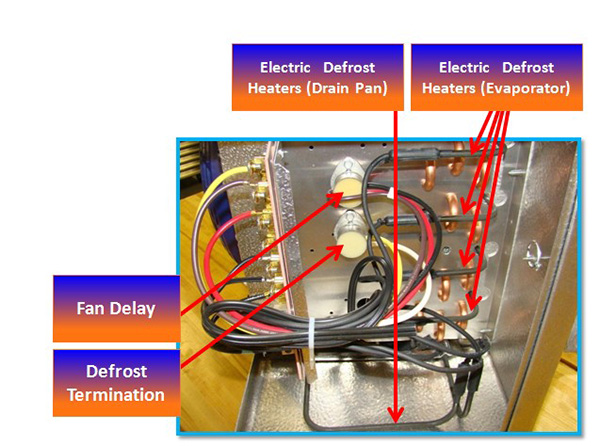
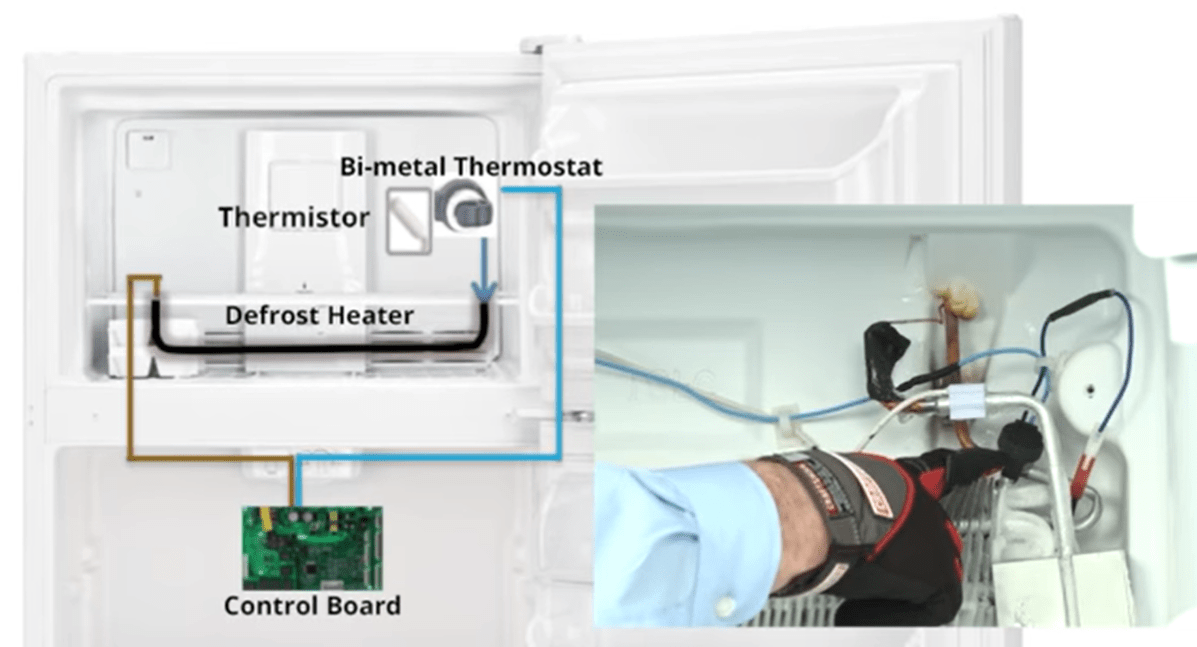
However, most modern refrigerators are frost-free. They use a similar system to frost-free freezers: a heating element periodically melts any ice that forms. The water then drains away. So, if you have a relatively new refrigerator, you probably don't need to defrost it manually. Unless...
Unless something's gone wrong. If you're noticing ice buildup in your refrigerator, even if it's supposed to be frost-free, it could indicate a problem with the defrost system. Maybe the heating element is broken, or the drain is clogged. In that case, you might need to manually defrost it and then call a repair person. Or, you know, embrace the ice age and start wearing a parka to grab your milk. (Just kidding... mostly.)
The Unlikely Suspects: Coolers and Other Devices
What about other devices? Let's consider some possibilities:
- Coolers (like for picnics): Nope. These are purely insulated, so they don't have any kind of active cooling system that could cause ice buildup. Unless you're packing dry ice (which you shouldn't do in a closed car!), you're safe from defrosting duty.
- Wine coolers/refrigerators: These usually have an automatic defrost cycle, but it's worth checking the manual. Since they're designed to maintain a specific temperature and humidity, excessive ice buildup is a big no-no.
- Portable ice makers: Ironically, these don't need defrosting in the traditional sense. They're designed to continuously produce ice, so any ice buildup is quickly turned into more ice. Mind. Blown.
So, there you have it! The primary culprits for defrosting are freezers (especially older ones) and refrigerators (again, mostly older models). While modern appliances have largely automated the process, it's still good to know when and why you might need to break out the hairdryer (on a low setting, pointed safely, of course!) and wage war on ice. Happy defrosting (or not, if you're lucky enough to own a frost-free fortress!).