Which Of The Fossil Fuels Burns The Cleanest

Fossil fuels: we hear about them all the time, often in discussions about energy and the environment. But have you ever wondered which one is the "cleanest" burner? It's a bit like asking which flavor of broccoli is the tastiest – none of them are exactly ice cream! But understanding the differences is genuinely interesting and surprisingly useful. This isn't about saying fossil fuels are good, but more about understanding the nuances within the group.
Why bother thinking about the "cleanest" fossil fuel? Well, for beginners, it's a great way to dip your toes into energy discussions. Understanding the basics helps you follow news about climate change and energy policy. For families, it could spark conversations about where our electricity comes from and the choices we make about energy consumption. And for hobbyists interested in sustainability or even just home improvement, knowing the relative impacts of different fuels can inform decisions about heating systems or alternative energy sources.
So, let's get down to it. When we talk about "cleanest," we generally mean which fuel produces the least harmful emissions when burned. These emissions include things like carbon dioxide (CO2), sulfur dioxide (SO2), nitrogen oxides (NOx), and particulate matter (PM). CO2 is a greenhouse gas, while the others contribute to smog and acid rain. Generally speaking, natural gas comes out on top.
Must Read
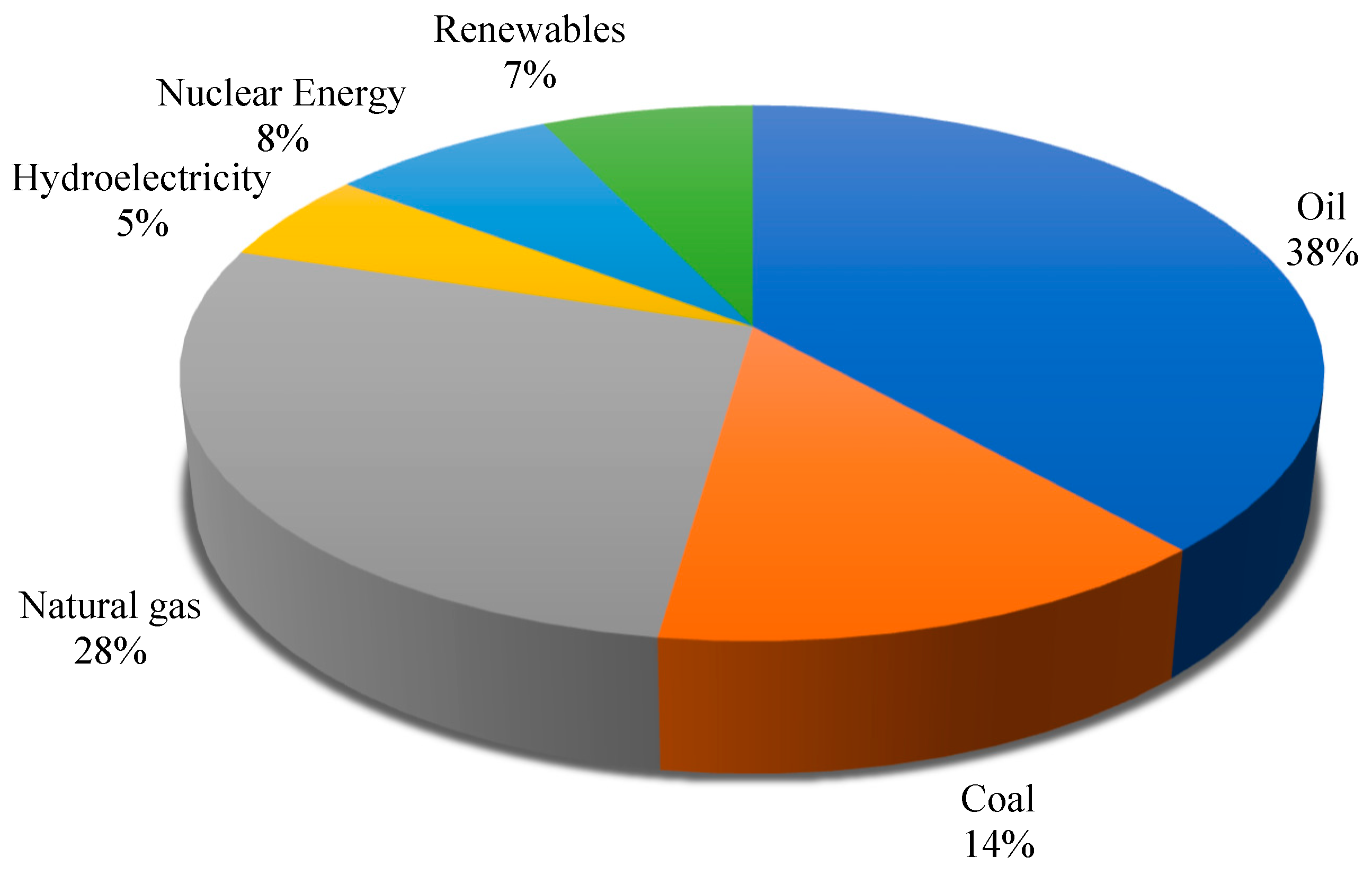
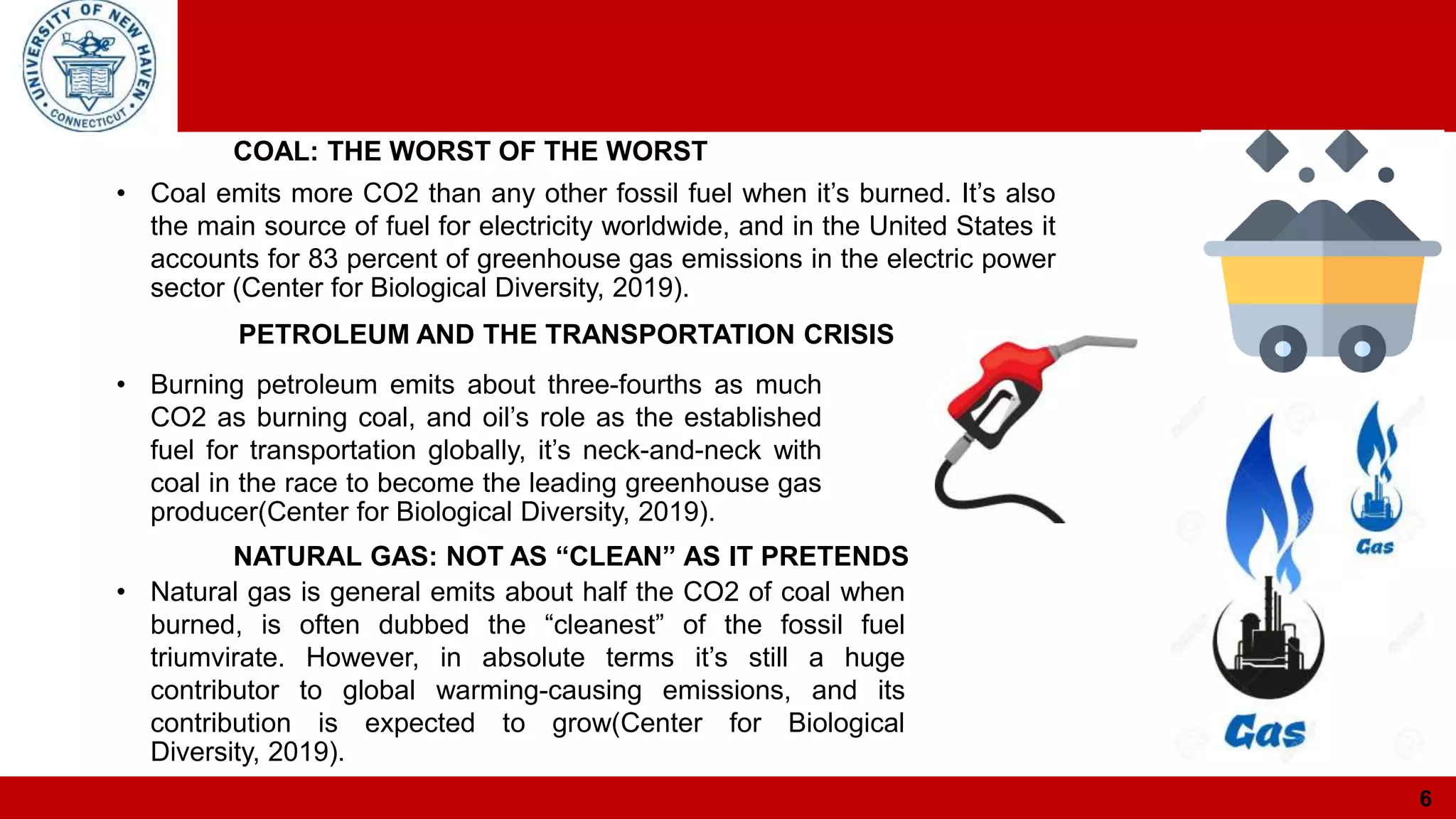
Why natural gas? Well, compared to coal, which is usually considered the "dirtiest" fossil fuel, natural gas produces significantly less CO2 per unit of energy generated. It also emits virtually no sulfur dioxide and far less nitrogen oxides and particulate matter. Oil falls somewhere in the middle. It's cleaner than coal but not as clean as natural gas. Different types of oil (e.g., light crude vs. heavy crude) also have varying emission profiles.
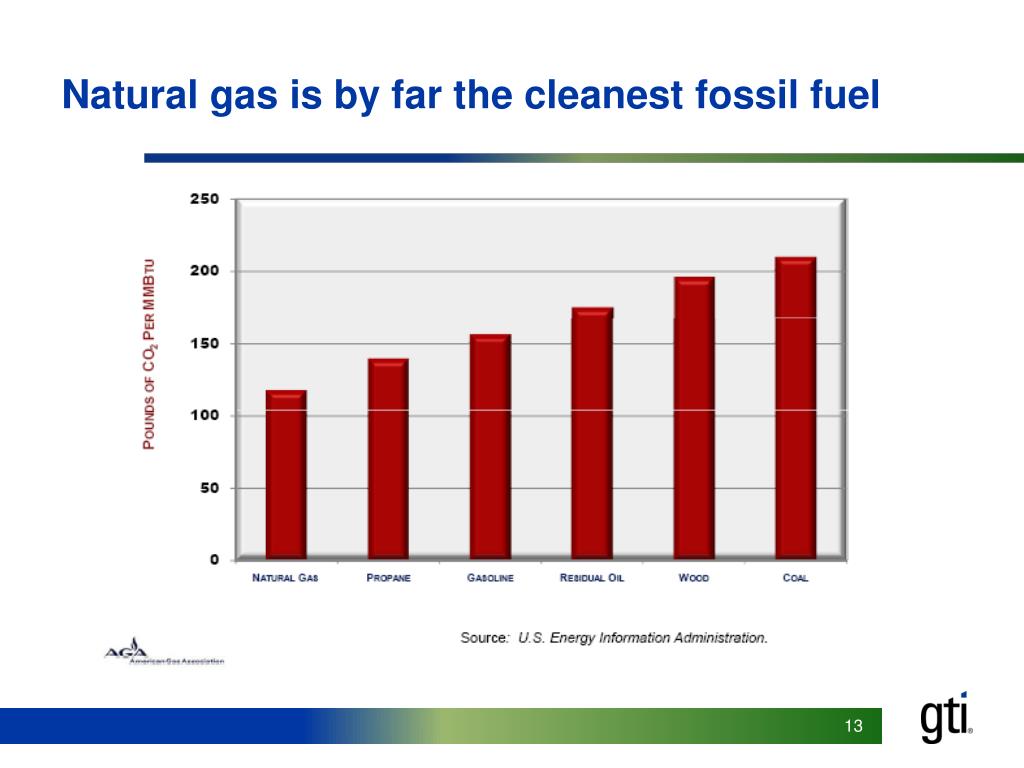
Think of it like this: coal is like a smoky, old fireplace that throws sparks everywhere. Oil is like a slightly more modern stove that still needs cleaning regularly. Natural gas is like a sleek, efficient gas furnace that produces a relatively clean flame. But remember, even the sleek furnace still produces emissions!
Now, a couple of examples: power plants often switch from coal to natural gas to reduce emissions. Some cities are encouraging homeowners to replace oil-burning furnaces with natural gas alternatives. These are efforts to improve air quality and reduce greenhouse gas emissions, even if they don't eliminate them entirely.

Want to learn more? Here are a few simple tips: Start by looking at your energy bill. What fuels are used to power your home? Then, do a little online research about the emissions associated with those fuels. Check out reputable sources like the EPA (Environmental Protection Agency) or the Department of Energy. You could even compare the energy efficiency ratings of different appliances. And don’t be afraid to ask questions! Energy policy and technology are complex, but even small steps towards understanding can make a big difference.
Exploring the world of fossil fuels and their impacts might not seem like a barrel of laughs, but gaining this basic knowledge is empowering. It allows you to participate more effectively in conversations about energy and sustainability, and maybe even make some informed choices that benefit both your wallet and the planet! So, keep learning, keep asking questions, and enjoy the journey of understanding our energy landscape.