Which Of The Following Processes Does 3d Printing Use

Ever felt the urge to create something tangible from your imagination? To conjure a physical object out of thin air, almost like magic? That's the appeal of 3D printing! It's more than just a cool tech trend; it's a fascinating process that empowers individuals and businesses alike to bring their ideas to life.
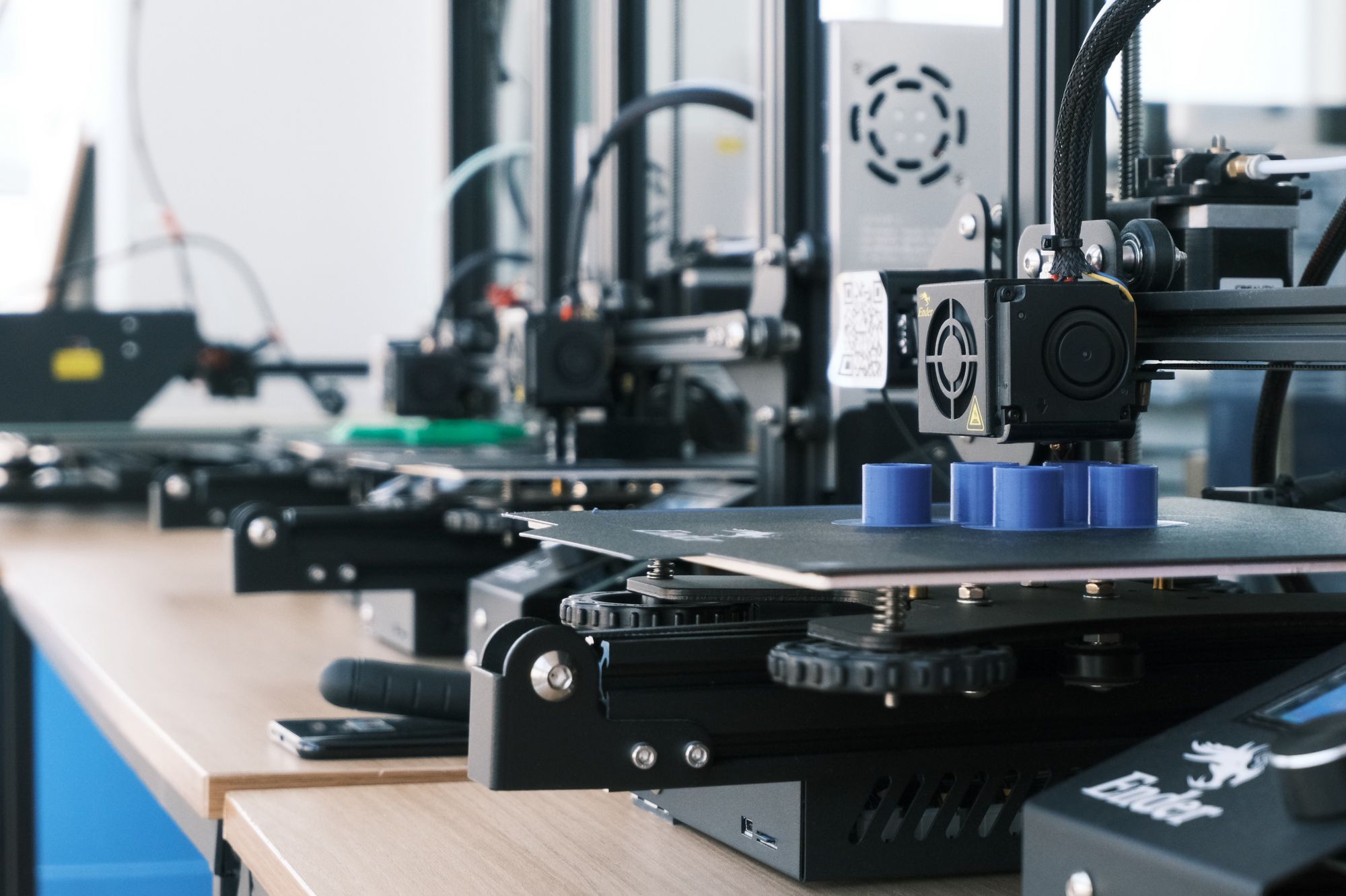
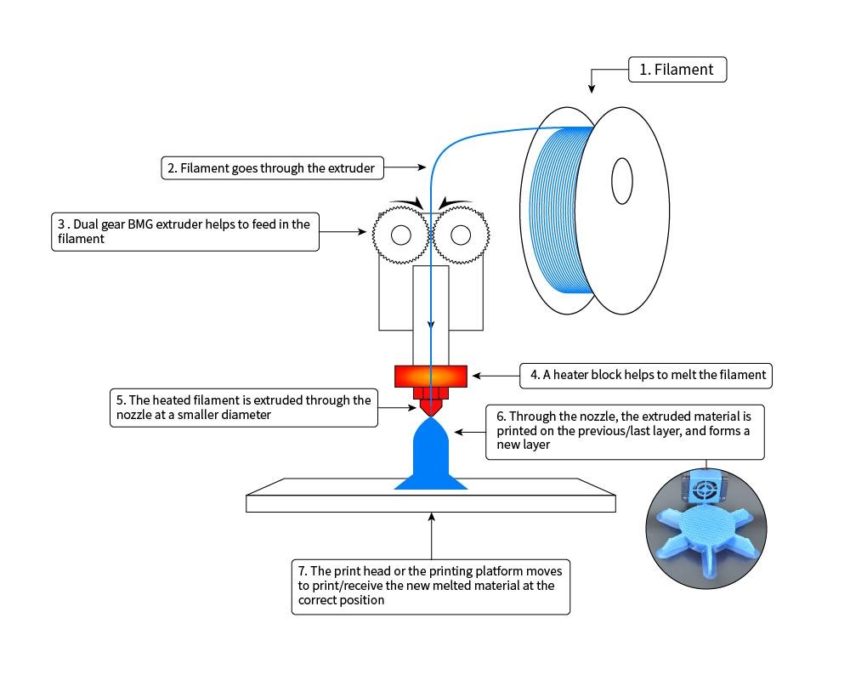
But which process does 3D printing use? The core concept revolves around additive manufacturing. Instead of carving away material like a sculptor, 3D printing builds objects layer by layer, adding material until the final product takes shape. Think of it like stacking incredibly thin pancakes to make a delicious, albeit slightly less edible, 3D model.
The benefits of this approach are numerous. For starters, it allows for the creation of incredibly complex geometries that would be impossible to produce using traditional manufacturing methods. This opens the door to highly customized designs and personalized products. Need a phone case perfectly molded to your hand? A prosthetic limb tailored to your exact specifications? 3D printing makes it possible.
Must Read
In everyday life, 3D printing is already making a significant impact. Medical professionals use it to create surgical guides, custom implants, and even bioprinted tissues. Engineers use it for rapid prototyping, allowing them to test and refine designs quickly and efficiently. Hobbyists use it to create everything from figurines and toys to replacement parts for household appliances. You might even be wearing something made with 3D printing, like custom-fitted eyeglasses or jewelry!
Think about it: a dentist creating a perfectly fitting crown while you wait, an architect printing a detailed model of a new building, or even NASA printing tools and spare parts for astronauts on the International Space Station – the possibilities are virtually limitless. It's revolutionizing industries from healthcare and aerospace to consumer goods and education.

So, how can you enjoy 3D printing more effectively? Here are a few tips:
- Start small: Don't try to print a full-sized Iron Man suit on your first try. Begin with simple designs and gradually increase the complexity.
- Research your materials: Different filaments have different properties. Understanding the strengths and weaknesses of each material will help you choose the right one for your project. PLA is a great starting point!
- Learn about slicing software: Slicing software prepares your 3D model for printing by dividing it into layers and generating the instructions for the printer. Cura and Simplify3D are popular choices.
- Join a community: Online forums and local maker spaces are great resources for learning new techniques, troubleshooting problems, and sharing your creations.
- Don't be afraid to experiment: The best way to learn is by doing. Try different settings, materials, and designs to see what works best. Expect a few failures along the way – it's all part of the learning process!
3D printing is a powerful tool that empowers creativity and innovation. By understanding the process and following these tips, you can unlock its potential and bring your own amazing ideas to life.