Which Of The Following Is True About Minerals

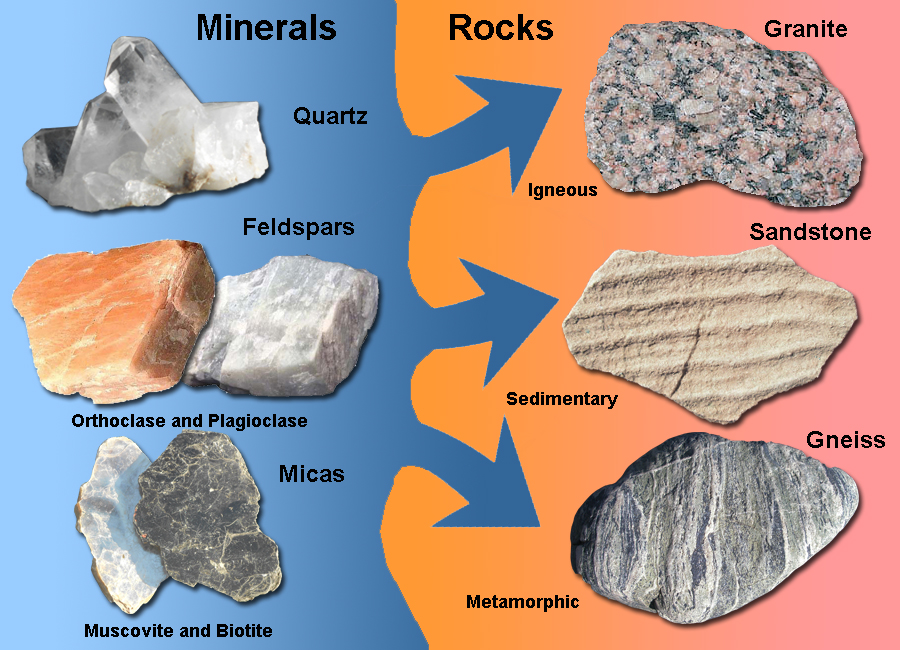
Okay, let's talk rocks! Or, more specifically, the tiny, shiny bits inside rocks. We're talking minerals! Now, before you start picturing geology textbooks and lectures that put you to sleep faster than a lullaby sung by a sloth, let's make this fun. We’re diving into what's really true about these little earth treasures.
Option A: Minerals are ALWAYS sparkly and expensive.
Ha! Tempting, isn't it? We see diamonds plastered all over jewelry ads and think every mineral is just waiting to be plucked from the earth and stuck on a ring. Look, I love a good sparkly thing as much as the next magpie. But let's be real. Most minerals look less "red carpet ready" and more "I've been rolling around in the dirt for a million years." Which, to be fair, they have. Yes, some are drop-dead gorgeous. But your average quartz crystal is probably a bit cloudy and unassuming. And expensive? Table salt is a mineral. I think we can all afford that!
Option B: Minerals are boring piles of science stuff.
Okay, I get it. Geology can sound intimidating. Words like "cleavage planes" and "Mohs hardness scale" can make your brain feel like it's trying to solve a Rubik's Cube blindfolded. But think of it this way: minerals are the building blocks of EVERYTHING. Your phone? Minerals. Your house? Minerals. Even YOU? (Okay, not exactly minerals, but they definitely played a role in your existence!) Instead of thinking of them as dusty museum exhibits, picture them as tiny secret agents, silently shaping the world around you. And that’s pretty cool.
Must Read
Option C: You can taste minerals to identify them (Disclaimer: Don't actually do this).
Alright, look, I'm not saying I haven't considered licking a rock or two in my life. Curiosity gets the better of us sometimes, right? Especially when we're kids. But, seriously, DO NOT LICK ROCKS. Unless you're intimately familiar with mineralogy and have a death wish. There are far, far better (and safer) ways to identify a mineral. Like, you know, actually looking at it. Or, gasp, consulting a field guide! Trust me on this one. Your taste buds will thank you.
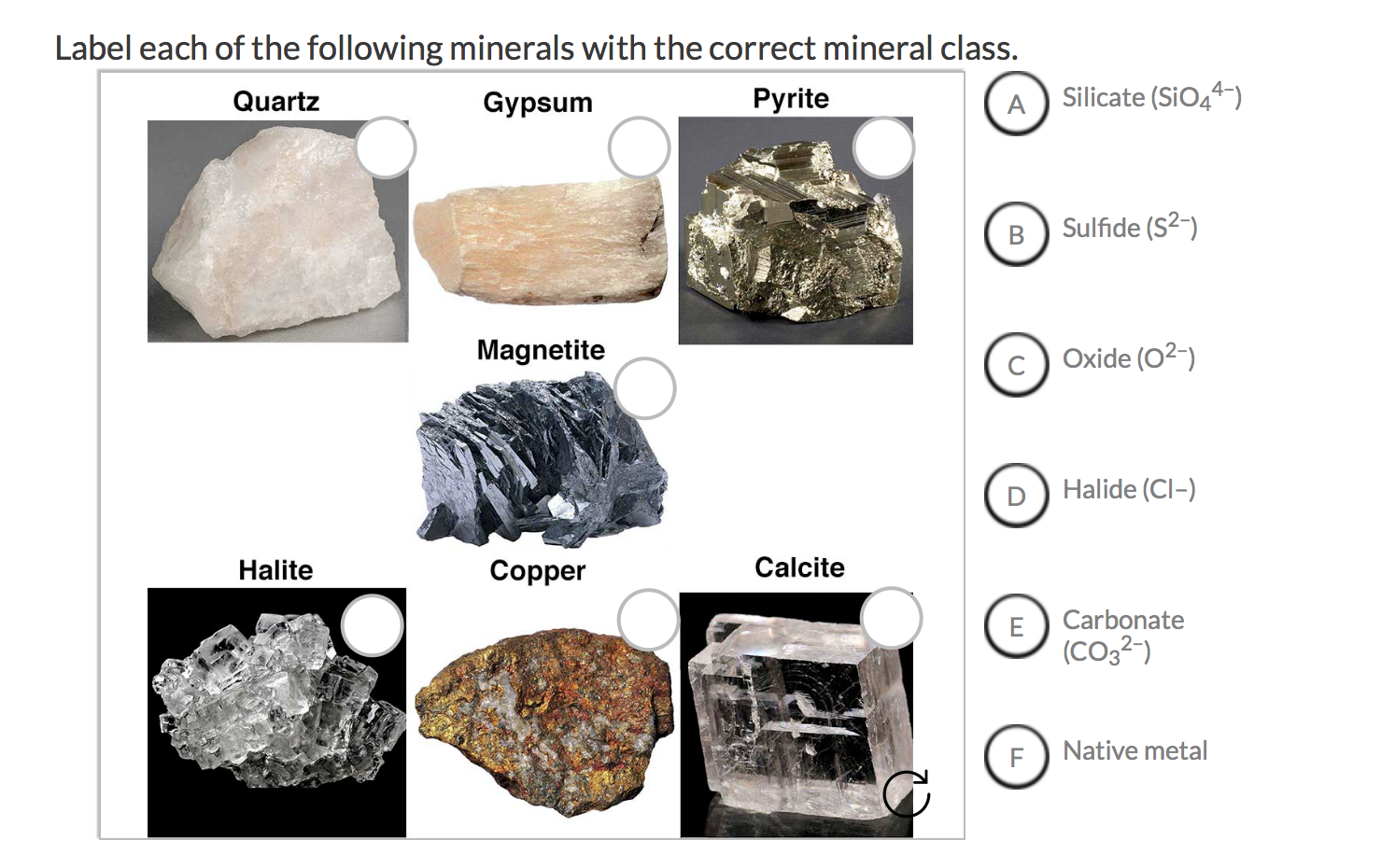
Option D: Minerals are like, totally alive.
Okay, hear me out on this one. Yes, I know the science says minerals are inorganic and therefore not alive. Fine. Technically. BUT. They grow, right? Slowly, over eons, but they grow. They have structures, patterns, and even sometimes, personalities (some are stubborn and hard, some are delicate and fragile). If that isn't a little bit alive, I don't know what is! Maybe not in the conventional sense of needing to eat and breathe, but they're constantly changing and interacting with their environment. It's like a very, very slow, very silent, and very sparkly life. Unpopular opinion alert: I think rocks have feelings.
The Verdict? (Or, my wildly subjective conclusion)
So, which one is truly, 100%, scientifically accurate? Probably none of them, taken completely literally. But honestly, I think the closest we get to the actual truth is a mix of everything. Minerals are scientifically fascinating, occasionally sparkly (but often dusty), definitely not for tasting, and maybe, just maybe, a little bit alive in their own special way. And that's why they're awesome.
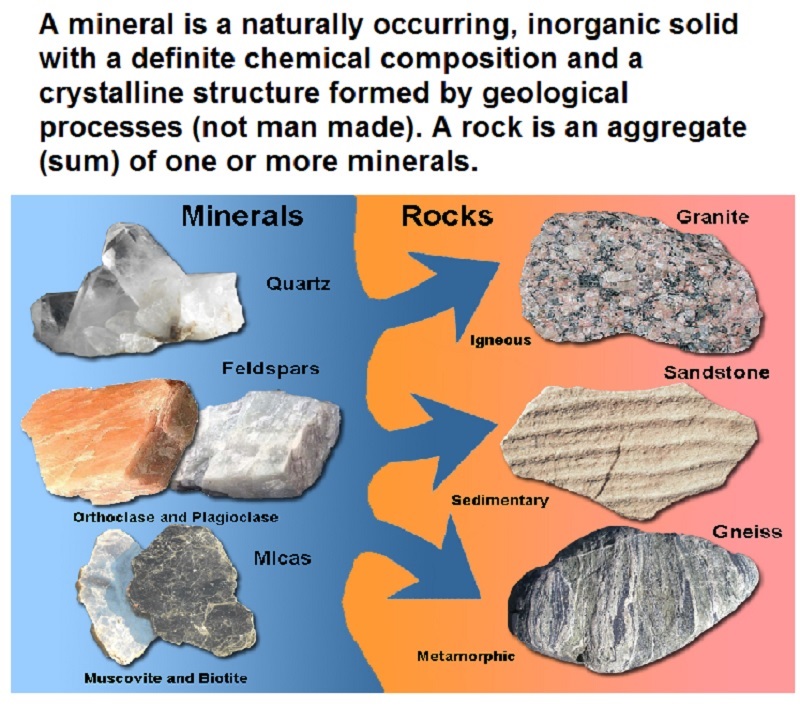
So, next time you see a rock, take a moment to appreciate the little mineral wonders hidden inside. They're more interesting (and less boring) than you think!
P.S. If you do decide to lick a rock, don't blame me. I warned you!