
Which Of The Following Is Related To Lean Production

Imagine your kitchen. What's the one thing that makes you sigh dramatically when you open the cupboard? Yep, that overflowing Tupperware graveyard.
Lids with no containers, containers with mysterious stains, and a general sense of "where did all this stuff come from?" That, my friends, is the opposite of Lean Production.
So, What IS Lean Production?
Think of Lean Production as Marie Kondo for factories. It's all about getting rid of the excess baggage and keeping only what sparks joy... or, in this case, what actually adds value to the final product.
Must Read
Instead of hoarding components "just in case," or churning out mountains of widgets that nobody needs, Lean Production focuses on efficiency and minimizing waste.
The Options: Let's Play a Game!
Okay, let's say we're playing a multiple-choice game. The question is: Which of the following is related to Lean Production?
- A. Having a giant warehouse full of spare parts
- B. Constantly changing the product design every week
- C. Just-in-Time inventory
- D. Blaming the employees when something goes wrong
Which one feels like the KonMari method applied to manufacturing?
Option A: The Spare Parts Hoard
Imagine a room filled to the brim with extra widgets, bolts, and springs. Looks like a hardware shop after an explosion, right?
That's the opposite of lean. All that inventory costs money to store, can become obsolete, and might even get lost or damaged. Talk about stress!
Option B: The Ever-Changing Product
Imagine trying to assemble a car when the blueprints change every single day. You might end up with a vehicle resembling something Dr. Frankenstein built from spare parts.
That's what happens with constant design changes. It leads to confusion, errors, and a whole lot of wasted effort. Lean production seeks stability and standardization (where applicable) to enhance efficiency.
Option C: Just-in-Time Inventory – The Winner!
Just-in-Time inventory is like having ingredients delivered to your kitchen right when you need them to cook a gourmet meal.
No overflowing fridge, no wasted food, and everything is fresh. This is a core principle of Lean Production: Getting materials only when they're needed for the production process.
No more mountains of components gathering dust! Just-in-Time minimizes storage costs and reduces the risk of spoilage or obsolescence. It's like a supply chain ballet, where everything arrives perfectly in sync.
Option D: Blame Game
Imagine a workplace where everyone is pointing fingers whenever something goes wrong. It's more like a reality TV show than a smooth-running operation, isn't it?
Lean Production is about continuous improvement and finding the root cause of problems. The focus is on processes, not blaming individuals. A supportive, collaborative environment is much more conducive to eliminating waste.

Why is Just-in-Time So Important?
Okay, so Just-in-Time inventory sounds great in theory, but why is it such a big deal?
Think about it: Holding large amounts of inventory ties up capital. That money could be used for something else, like investing in new equipment or giving employees a well-deserved bonus!
Storing inventory also requires space, which costs money. And let's not forget the risk of obsolescence. Remember those Betamax tapes you bought back in the 80s? Exactly.
More Than Just Inventory
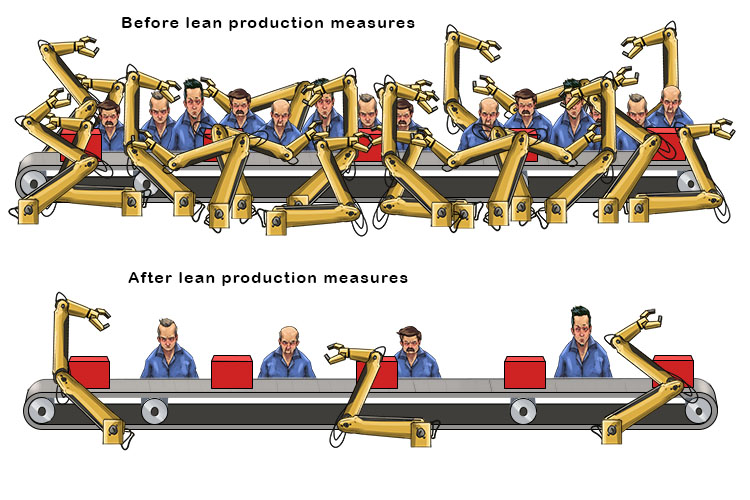
Lean Production isn't just about inventory. It's a whole philosophy of eliminating waste in all its forms.
This includes things like reducing defects, minimizing unnecessary movement of people or materials, and streamlining processes to get things done faster.
The Seven Wastes (and Why They're Evil)
Lean Production identifies seven major types of waste, often remembered by the acronym TIMWOOD (or sometimes DOWNTIME, to be a little more dramatic).
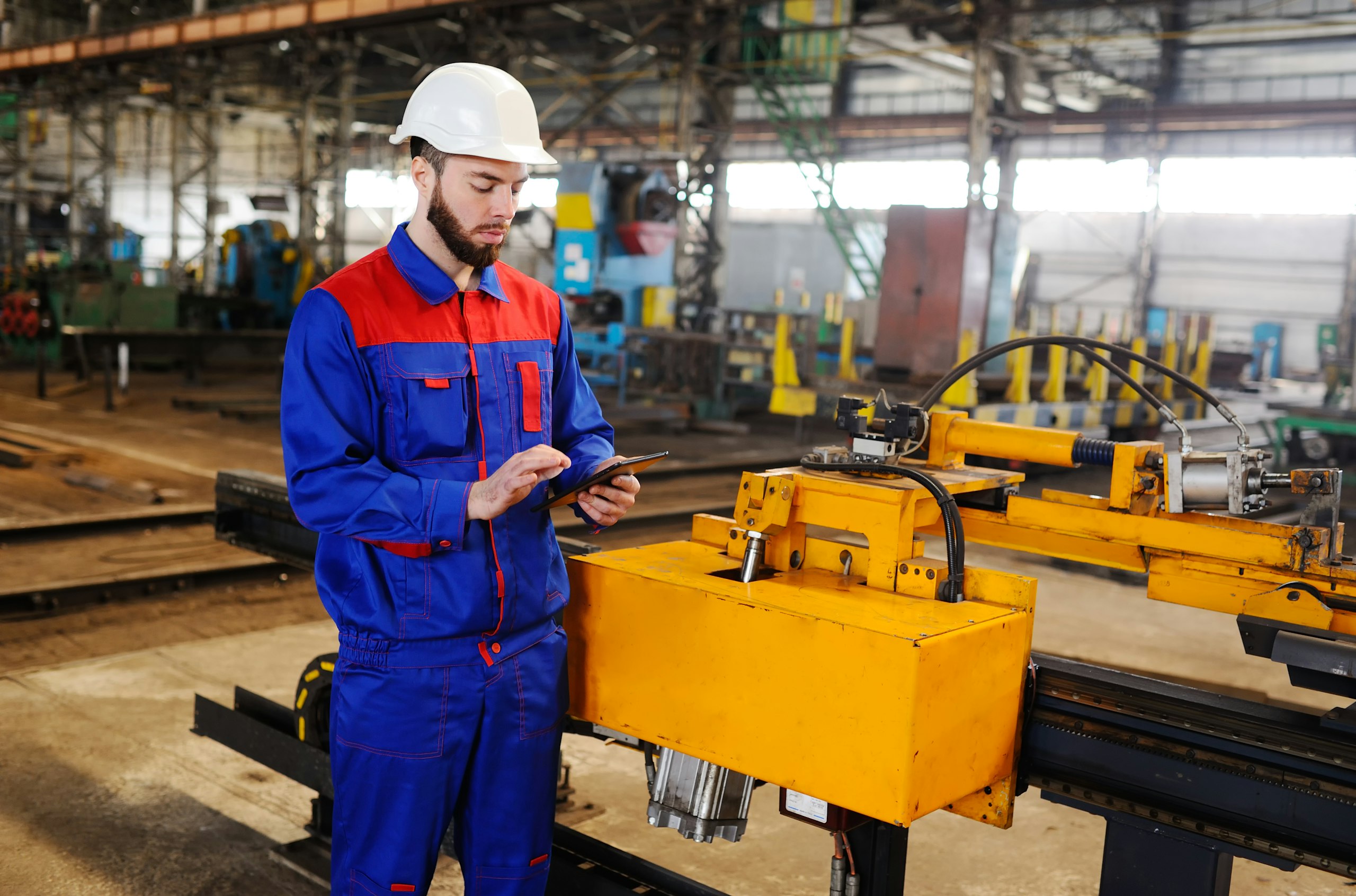
- Transportation: Moving materials or products unnecessarily.
- Inventory: Holding excess inventory. (We know all about that now!)
- Motion: Unnecessary movement of people.
- Waiting: Idle time due to delays.
- Overproduction: Producing more than is needed.
- Overprocessing: Doing more work than is necessary.
- Defects: Producing faulty products.
Think of these wastes as sneaky little gremlins that are trying to sabotage your production process. The goal of Lean Production is to hunt them down and eliminate them!
It's About Culture, Too!
Lean Production isn't just a set of tools and techniques. It's a culture of continuous improvement.
It's about empowering employees to identify problems and come up with solutions. It's about fostering a spirit of collaboration and teamwork.
Imagine a factory where everyone is actively looking for ways to make things better, faster, and cheaper. Now that's a powerful thing!
Beyond the Factory Floor
The principles of Lean Production aren't just for factories. They can be applied to almost any process, from running a business to managing your personal life.
Think about how you organize your email inbox. Are you drowning in a sea of unread messages? Maybe it's time to apply some lean principles and create a system for quickly processing and responding to emails.
Or what about your daily commute? Are you stuck in traffic every day? Maybe you could explore alternative routes or transportation options to reduce wasted time. A bit of a lean thinking can help solve common daily problems.
The Heartwarming Side of Lean
While Lean Production often focuses on efficiency and cost savings, it can also have a heartwarming side.
By eliminating waste and improving processes, companies can create better working conditions for their employees. A safer, more efficient workplace can lead to happier, more engaged workers.
And let's not forget the environmental benefits. By reducing waste and using resources more efficiently, Lean Production can help companies become more sustainable and reduce their impact on the planet.
So, What's the Takeaway?
Lean Production is about more than just cutting costs and increasing profits. It's about creating a culture of continuous improvement, empowering employees, and making the world a better place.
And yes, it's also about getting rid of that overflowing Tupperware collection. Because who needs that kind of stress?
Remember: Just-in-Time isn't just an inventory strategy; it's a metaphor for living a more streamlined, efficient, and less wasteful life. Now, go forth and conquer those wastes!