Which Of The Following Is Not An Element Of Fraud

Okay, let's talk fraud! Sounds serious, right? Well, it is. But understanding the basics can be surprisingly empowering, like having a secret weapon against those sneaky scammers. It's like learning a magic trick, but instead of pulling a rabbit out of a hat, you're pulling the rug out from under potential fraudsters. We're going to break down the elements of fraud in a way that's easy to understand, and more importantly, help you spot what isn't part of the equation.
Why is this important? For beginners, knowing these elements is crucial for recognizing potentially fraudulent situations in everyday life. Think about online shopping, email scams, or even deals that seem "too good to be true." For families, understanding fraud can help protect vulnerable members like elderly relatives from being taken advantage of. And for hobbyists like those into collecting rare items or investing, it’s vital for navigating complex transactions and avoiding scams in those specialized fields.
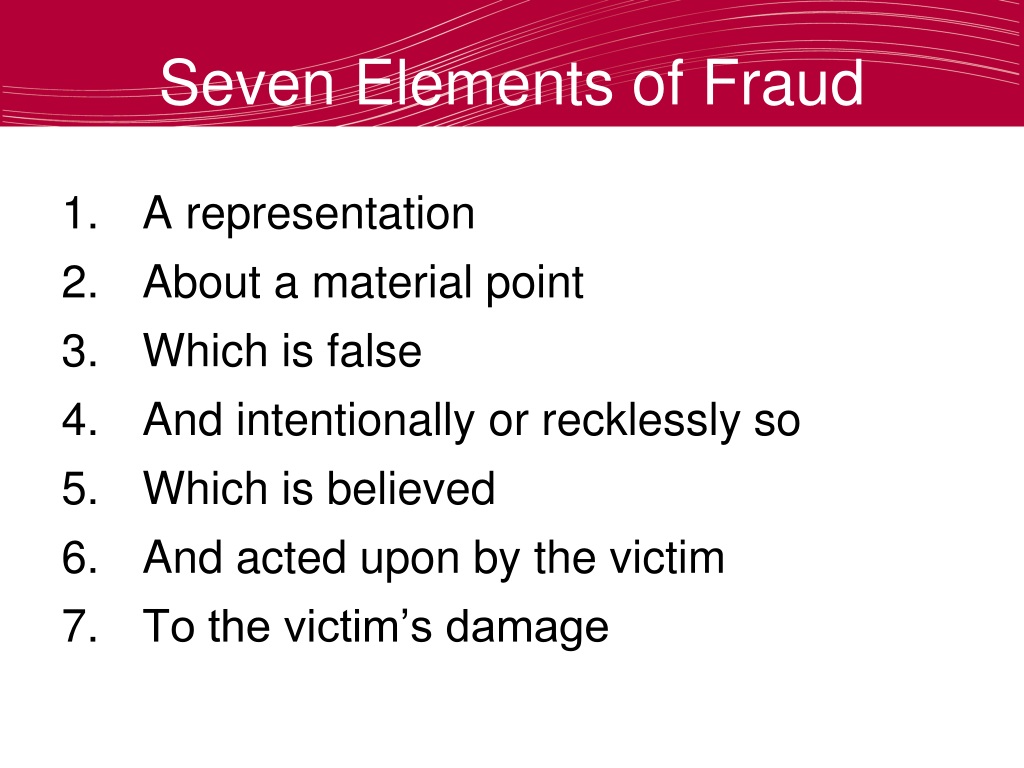
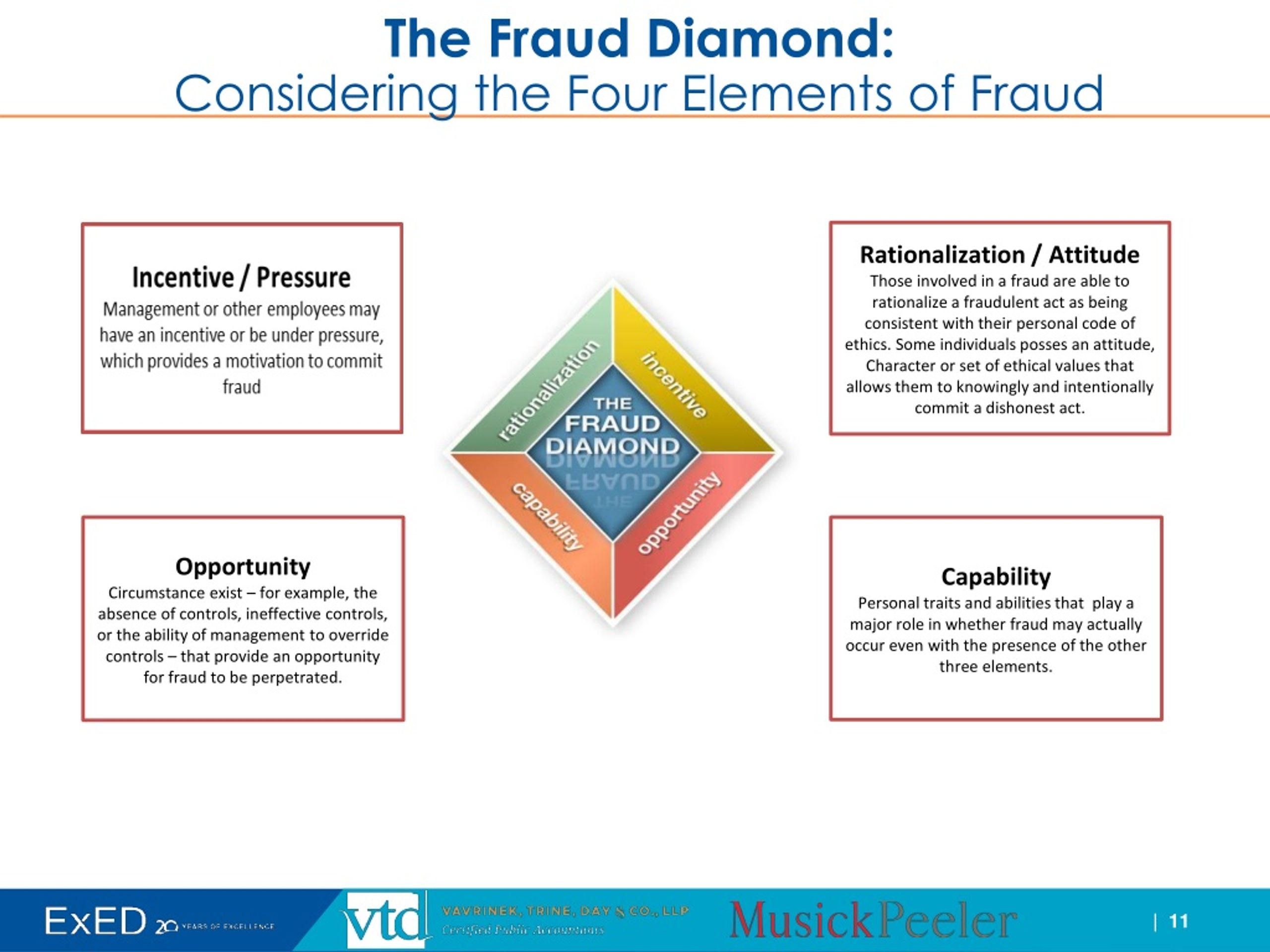
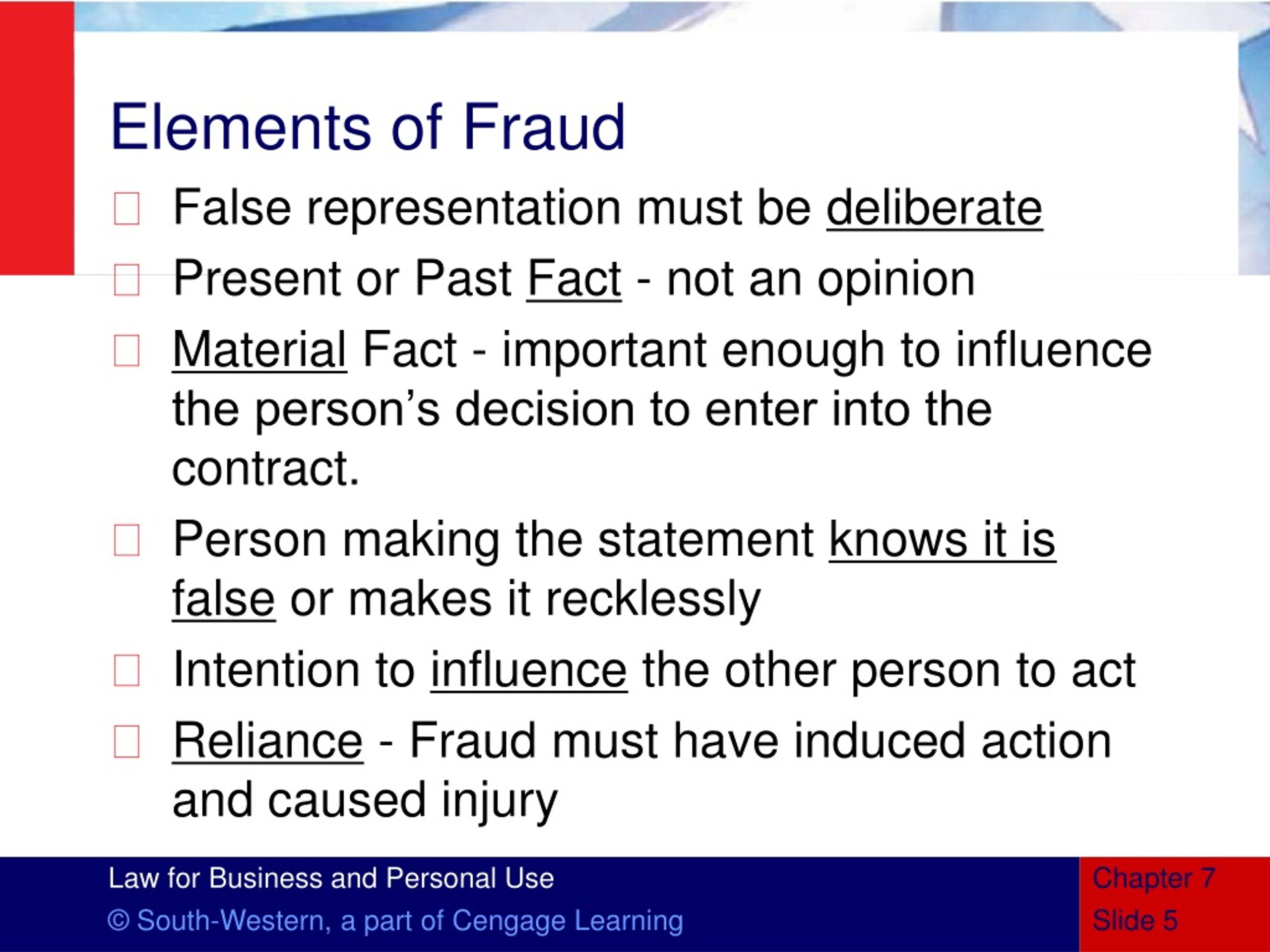
So, what are the elements of fraud? Generally, most legal definitions include these key components:
Must Read
- A false statement of fact: This means someone has to say or represent something that isn't true.
- Knowledge of the falsity: The person making the statement knows it's false. They aren't just mistaken.
- Intent to deceive: They are trying to trick someone.
- Justifiable reliance: The victim actually believes the false statement and relies on it.
- Damages: The victim suffers some kind of loss as a result of relying on the false statement.
Now, let's get to the heart of the matter: identifying what isn't an element of fraud. One common misconception is that general incompetence or negligence automatically equals fraud. Let’s say someone gives bad financial advice that loses you money. While the advice might have been terrible (and possibly even negligent!), it only becomes fraud if they knowingly gave you bad advice with the intent to deceive you and enrich themselves, and you relied on it believing it to be true. Simply being bad at their job, without the intention to deceive, isn't fraud.
Another thing that's often confused with fraud is a simple mistake. If someone accidentally misrepresents something without knowing it's false, that's not fraud. For example, a seller might unintentionally list the wrong year of manufacture for an antique chair. If they genuinely believed the year was correct, that's a mistake, not fraud. However, if they knew the chair was a more recent reproduction and deliberately misrepresented it as an antique to increase its value, that's fraud.
Practical Tip: Always do your research! Before relying on any information, especially when money is involved, verify the facts independently. Check reviews, compare prices, and consult with trusted experts. If a deal sounds too good to be true, it probably is. Also, document everything! Keep records of communications, receipts, and agreements. This can be invaluable if you suspect fraud and need to take action.
Learning about fraud might seem daunting, but it’s a valuable skill. By understanding the key elements and what doesn’t constitute fraud, you become more aware and less susceptible to scams. And who knows, maybe you'll even help someone else avoid becoming a victim. That's a pretty rewarding outcome, wouldn't you agree? Now go forth and be fraud-savvy!