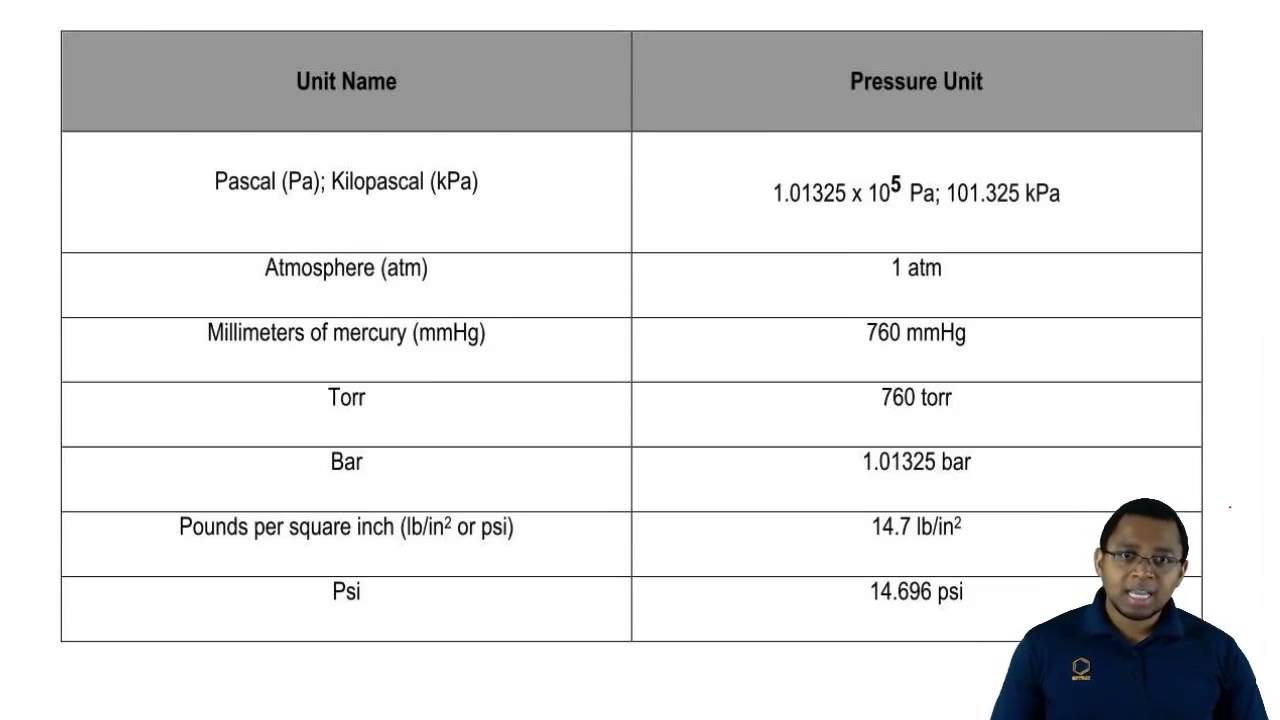
Which Of The Following Is Not A Unit Of Pressure

Ever felt the squeeze? Maybe from a tight hug, or the weight of responsibility (ugh!). But have you ever really thought about pressure? It's everywhere! From the air in your tires to the deep-sea diving adventures you dream of taking. Pressure is a big deal, scientifically speaking.
What's the Deal with Pressure Units?
So, how do we measure this invisible force? With units, of course! Just like we use inches for height and pounds for weight, we use special units for pressure. These units let scientists, engineers, and even your local weather reporter talk about pressure in a way that everyone understands. Mostly.
Here's the thing: there are loads of different units for pressure. It can get a bit confusing, like trying to understand why your cat suddenly hates belly rubs. Today, we're diving into a little game: spot the imposter! We're going to look at a list of units, and your mission, should you choose to accept it, is to figure out which one doesn't belong.
Must Read
Think of it as a super-easy detective game. Instead of solving a crime, you're solving a unit mystery. Fun, right?
The Usual Suspects: Pressure Unit Line-Up
Let's meet some of the common characters in the pressure world:
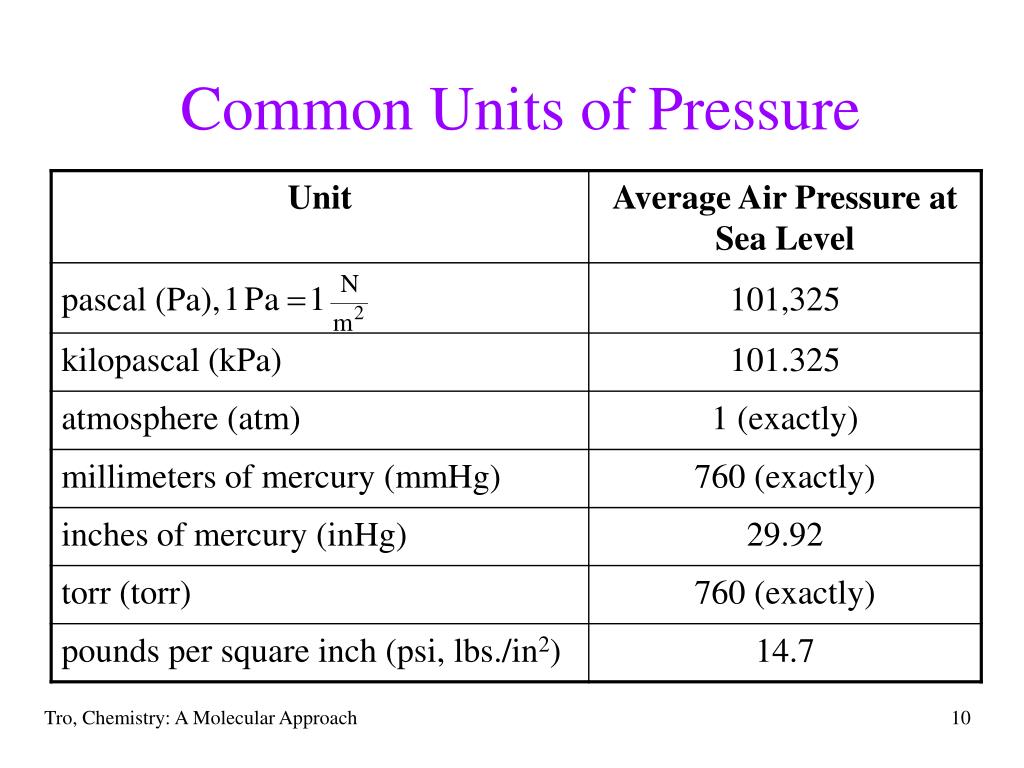
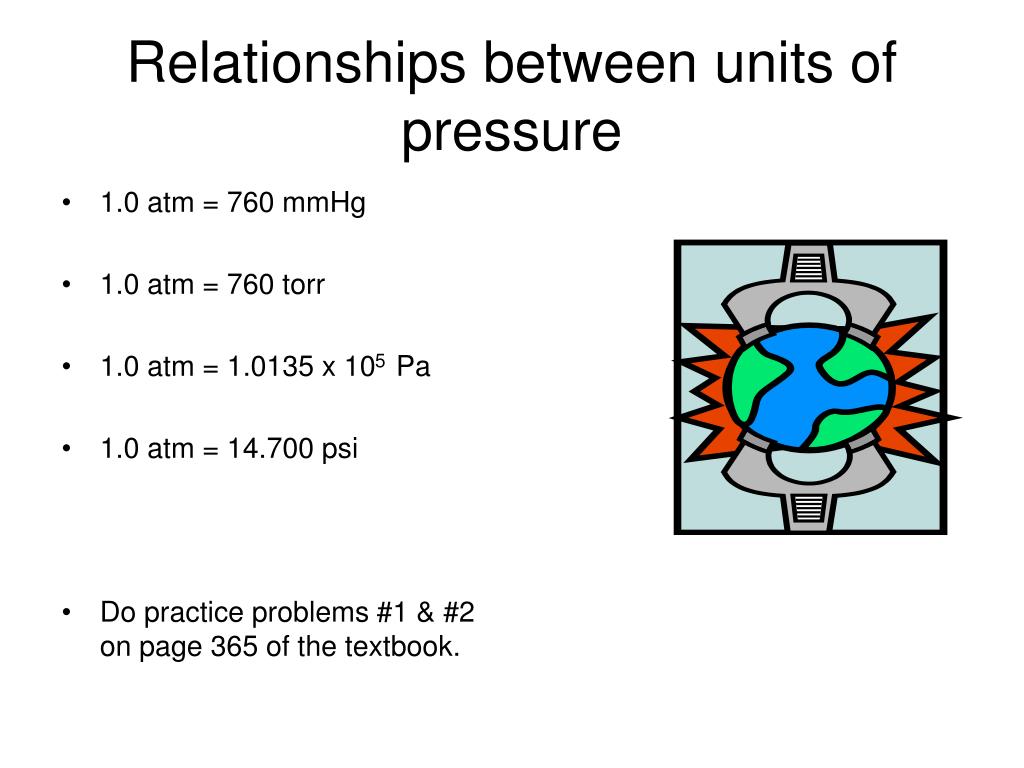
- Pascal (Pa): This is the cool, calm, and collected metric unit. Named after the brilliant Blaise Pascal, a philosopher and mathematician. He was under pressure, but he invented the syringe, hydraulics, and other things.
- Pounds per Square Inch (psi): The workhorse of the pressure world! You'll see this on your tire gauge. It's straightforward: how many pounds of force are pushing on each square inch.
- Atmosphere (atm): This one's easy to picture. It's the average air pressure at sea level. Basically, the weight of all the air above you pressing down.
- Bar (bar): Almost, but not quite, the same as an atmosphere. Close enough for most everyday uses, though.
- Millimeter of Mercury (mmHg): A slightly older, but still used unit. You'll see this in medical contexts, like blood pressure readings.
These units are like different languages for describing the same thing – pressure! Imagine trying to order coffee in Italy only speaking English. It can work, but knowing Italian (Pascal) makes things much easier! These are all legitimate ways to talk about how much force is being exerted over an area.
The Sneaky Imposter
So, which one isn't a unit of pressure? Think about what pressure is: force spread over an area. Which of the above units doesn't fit that description?
This isn't about needing a PhD in physics. It's about using a little common sense and having a bit of fun! Pressure is all around us. Understanding the units, even just a little, can make the world a bit less mysterious and a bit more… well, pressurized! But in a good way, of course. Like a perfectly inflated basketball, ready for action.
Ready to take on the pressure (pun intended!)? Keep an eye out for quizzes and fun factoids about pressure and units – who knows, you might just become the next pressure pro!
So, what are you waiting for? Go forth and conquer the world of pressure! And remember, don't let the pressure get to you!