Which Of The Following Is Not A Renewable Energy

Hey there, energy explorers! Ever wondered what makes the world tick? We're talking about energy, that invisible force that powers our lives. From charging our phones to heating our homes, we rely on it every single day. And lately, you've probably heard a lot about "renewable energy." But what exactly does that mean, and are all energy sources created equal? Let's dive in with a splash of fun!
Renewable Energy: The Never-Ending Story
Think of renewable energy like that friend who always refills your coffee cup. It's constantly replenished! Renewable energy sources are naturally replenished over a human timescale. They’re the gifts that keep on giving, like sunshine, wind, and flowing water. Imagine a sunflower, soaking up the sun's rays to grow – that's solar energy in action! Or a windmill, gracefully spinning in the breeze, capturing the power of the wind. These resources are abundant and, crucially, don't run out (at least, not anytime soon!).
Here are some common examples of renewable energy:
Must Read
- Solar energy: Harnessing the sun's power with solar panels on rooftops or in large solar farms.
- Wind energy: Using wind turbines to convert wind into electricity.
- Hydropower: Generating electricity from the flow of water, like a dam on a river.
- Geothermal energy: Tapping into the Earth's internal heat to generate electricity or heat homes.
- Biomass energy: Burning organic matter, like wood or crops, for heat or electricity (although its "renewable" status can be debated depending on how sustainably it's sourced).
Non-Renewable Energy: The Finite Feast
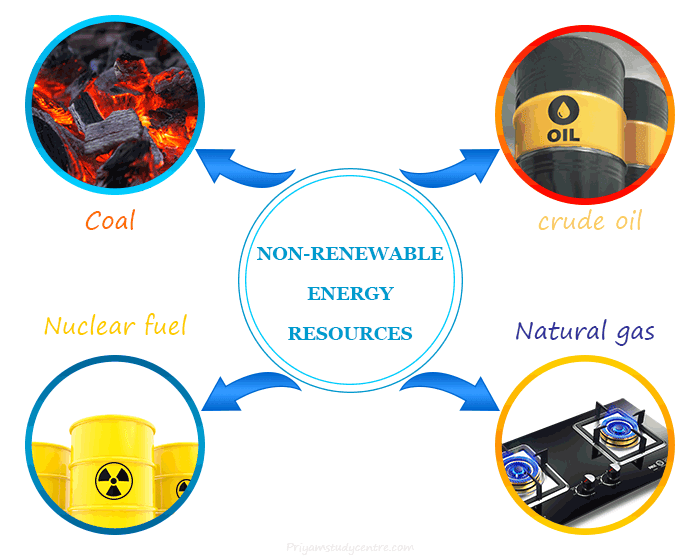
Now, let’s talk about the other side of the coin: non-renewable energy. Think of it like a delicious cake. Once you eat it, it's gone! Non-renewable energy sources are finite; they exist in limited quantities and take millions of years to form. Once we use them up, they're gone for good (at least within a timeframe that matters to us!).
Examples of non-renewable energy include:

- Fossil fuels: Coal, oil (petroleum), and natural gas. These are formed from the remains of ancient plants and animals that have been compressed underground for millions of years. Imagine dinosaurs turning into gasoline – pretty wild, right?
- Nuclear energy: This uses the energy released from nuclear fission, typically of uranium. While uranium is relatively abundant, it's still a finite resource that is mined from the earth.
So, Which One Doesn’t Belong? The Big Reveal!
Okay, so if you were asked, "Which of the following is not a renewable energy source: solar, wind, natural gas, or hydropower?" The answer is natural gas! It’s a fossil fuel, a limited resource that takes millions of years to replenish. In short, once we burn it, it's gone (at least until the dinosaurs come back!).
Another example, let's say you see these options: geothermal, biomass, petroleum, and wind. Which one is the odd one out? It's petroleum! Again, petroleum is a type of crude oil, a fossil fuel.

Why Should We Care? (The Fun Part!)
Why bother understanding the difference between renewable and non-renewable energy? Well, imagine your favorite ice cream shop. If they only had one flavor, and everyone ate it all the time, eventually, poof, no more ice cream! Renewable energy is like having a whole freezer full of delicious flavors that keep getting restocked. It's a more sustainable way to power our lives, meaning we can meet our energy needs without depleting resources for future generations.
Burning fossil fuels releases greenhouse gases, contributing to climate change. Think of it like throwing a blanket over the Earth, trapping heat and causing things to get a little too toasty. Renewable energy sources, on the other hand, produce little to no greenhouse gas emissions, helping to keep our planet cool and comfortable (for penguins and people alike!).
Plus, investing in renewable energy creates new jobs and strengthens our economy. It's like planting a seed that grows into a thriving tree, providing shade and fruit for everyone. It’s a win-win situation! So, the next time you flip a light switch or charge your phone, remember the difference between renewable and non-renewable energy. You’re part of the energy story, and you can help create a brighter, more sustainable future. Go you!