
Which Of The Following Is An Electrical Shock Hazard
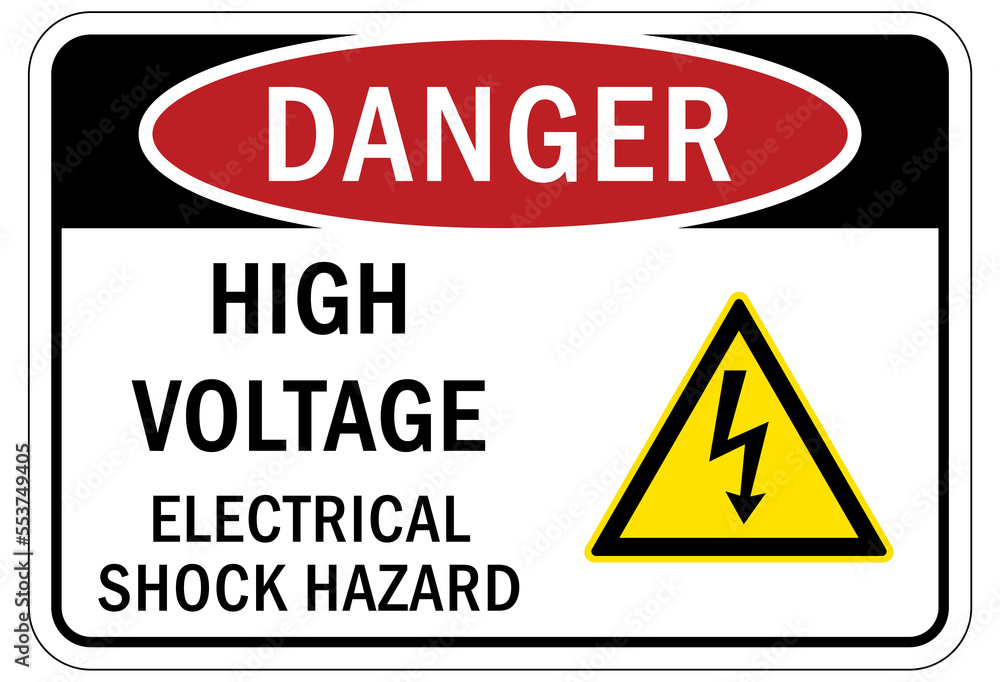
Ever played the "Which one doesn't belong?" game? It's surprisingly fun, right? Well, buckle up, because we're about to play a super important version. This time, we're asking: Which of these things is a real, genuine electrical shock hazard?
Get ready to put on your thinking caps. This isn't just trivia; it's about staying safe and understanding the potential dangers lurking in our homes and workplaces. Let's dive in!
So, What Are We Looking At?
Okay, imagine this. You've got a few things sitting in front of you. Maybe it's a frayed power cord, a puddle of water near an outlet, a properly grounded appliance, or even a bird perched on a power line. Which one makes your spidey-senses tingle?
Must Read
This is where it gets interesting! We're not just looking for something that could be a problem. We're hunting for the genuine, honest-to-goodness electrical shock hazard. Something that, if touched or interacted with improperly, could give you a jolt you won't soon forget (and not in a good way!).
Let's look at some examples.
Frayed Power Cord: A Ticking Time Bomb?
A frayed power cord is a classic example, isn't it? Those little exposed wires are practically begging to deliver a shock. It's like a tiny, electric viper, waiting to strike! We all know deep down these are bad news.
The insulation is damaged. This leaves the live wires exposed. Touching those wires can create a pathway for electricity to flow through you. Yikes!
Think of it like this: the insulation is like a superhero's suit, protecting you from the villainous electricity. When the suit is torn, the villain has free rein!
Water and Electricity: A Dangerous Duo
Water and electricity are famously incompatible. They're like cats and dogs, oil and water, or pineapple on pizza (depending on your personal preferences!). It’s like a bad rom-com where neither can survive the other.

Water is an excellent conductor of electricity. That means it allows electricity to flow through it easily. So, if water comes into contact with an electrical source, it can create a pathway for the electricity to reach you.
Imagine dropping your phone in the bathtub. It's not just your phone that's in trouble; you are too!
Properly Grounded Appliance: The Safety Net
A properly grounded appliance is the opposite of a shock hazard. It's like your electrical safety net. It provides a safe path for electricity to flow in case of a fault.
Grounding helps prevent electrical shocks by diverting stray electricity away from you and towards the ground. It's like a secret escape route for rogue electricity.
Think of it as a "get out of jail free" card for electricity. It gives it a place to go besides you!
Bird on a Power Line: Surprisingly Safe?
Now, what about a bird perched on a power line? It might seem dangerous, but surprisingly, it's usually not. Why? Because the bird is only touching one wire.

Electricity needs a complete circuit to flow. The bird isn't providing a path for the electricity to return to its source. It's like a tollbooth with only one side open – no traffic can get through!
Of course, if the bird touched another wire or a grounded object at the same time, that would be a different story. Then, it would become part of the circuit and could get shocked.
So, Which One Is the Hazard?
Okay, let's recap. We've looked at frayed power cords, water near electricity, properly grounded appliances, and birds on power lines. Which one screams "electrical shock hazard"?
The answer is... (drumroll please!)... Frayed power cords and water near electricity! These are the clear and present dangers that can lead to electrical shock.
A properly grounded appliance is actually preventing a shock, and a bird on a power line is usually safe (but don't try to touch it!).
Why Is This So Engaging?
You might be thinking, "Why am I so interested in electrical shock hazards?" Well, it's because electricity is both fascinating and dangerous. It's a powerful force that we rely on every day, but it can also be deadly if not treated with respect.

Understanding the risks and how to avoid them is empowering. It gives you control over your environment and helps you protect yourself and your loved ones.
Plus, there's a certain thrill in knowing how things work (or don't work) and being able to spot potential dangers. It's like being a detective, uncovering hidden clues and solving a mystery! And being a responsible adult is awesome.
What Makes This Topic Special?
Electrical safety isn't just a theoretical concept. It's something that directly affects our lives every day. From charging our phones to running our appliances, we're constantly interacting with electricity.
By understanding the potential hazards, we can make informed decisions and take steps to minimize our risk. This can include things like replacing frayed cords, keeping water away from outlets, and using ground fault circuit interrupters (GFCIs) in bathrooms and kitchens.
It's about being proactive and taking responsibility for our safety. It’s about being in control and preventing unwanted jolts.
Taking Action: Be an Electrical Safety Superhero!
Now that you're armed with this newfound knowledge, what can you do? First, take a look around your home and identify any potential electrical hazards. Are there any frayed cords? Are there any outlets near water sources that aren't protected by GFCIs?

Second, talk to your family and friends about electrical safety. Share what you've learned and encourage them to be aware of the risks.
Third, consider taking a more in-depth electrical safety course. There are many online and in-person courses available that can teach you more about electrical systems and how to stay safe.
By taking these steps, you can become an electrical safety superhero and help protect yourself and your community from the dangers of electrical shock.
The Fun Doesn't Have to Stop Here!
Want to keep the learning (and the fun) going? There are tons of resources available online and in your community. Check out websites like the Electrical Safety Foundation International (ESFI) and the National Fire Protection Association (NFPA) for more information.
You can also find videos and articles that explain electrical concepts in a simple and engaging way. Who knows, you might even discover a new passion for electrical engineering!
So, go forth and explore the world of electricity! But remember to always stay safe and treat electricity with the respect it deserves. Let's make the world a safer, and perhaps a little more electrifying place.