Which Of The Following Is An Electrical Hazard
Let's face it, electricity is kind of like magic, right? We flip a switch, and boom, light! But unlike pulling a rabbit out of a hat, electricity demands respect. Knowing what's safe and what's not is crucial, and that's why understanding electrical hazards is not only useful but can be downright life-saving. Think of it as learning some essential magic safety rules!
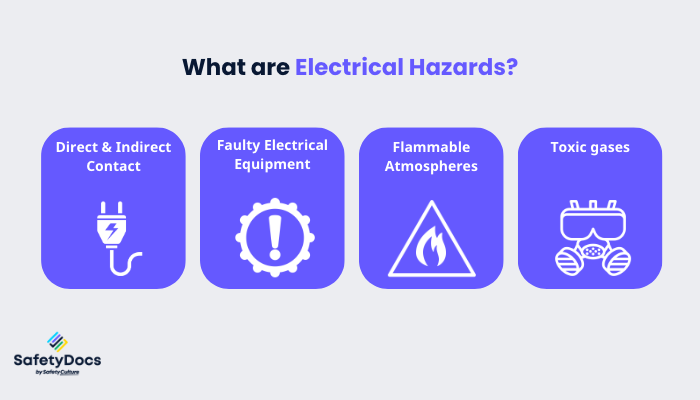
So, you're wondering, "Which of the following is an electrical hazard?" Well, buckle up! We're going to explore some common culprits. The benefits of knowing this are pretty straightforward: safety! For beginners, it's about learning the basics to avoid accidental shocks. For families, it's about creating a safe home environment for everyone, especially curious kids. And for hobbyists tinkering with electronics, it's about preventing serious injuries and fried circuits.
Here are a few key examples of electrical hazards, and I'll bet you've seen at least one of these before:
Must Read
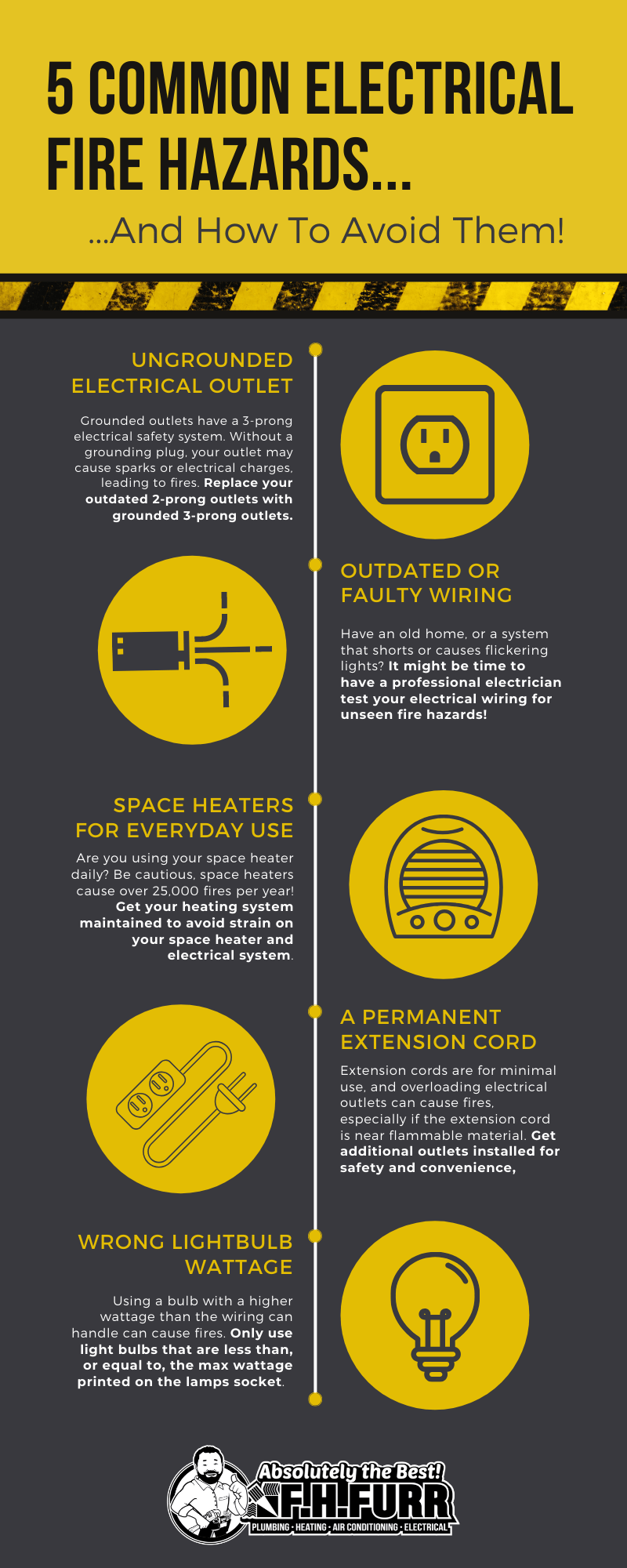
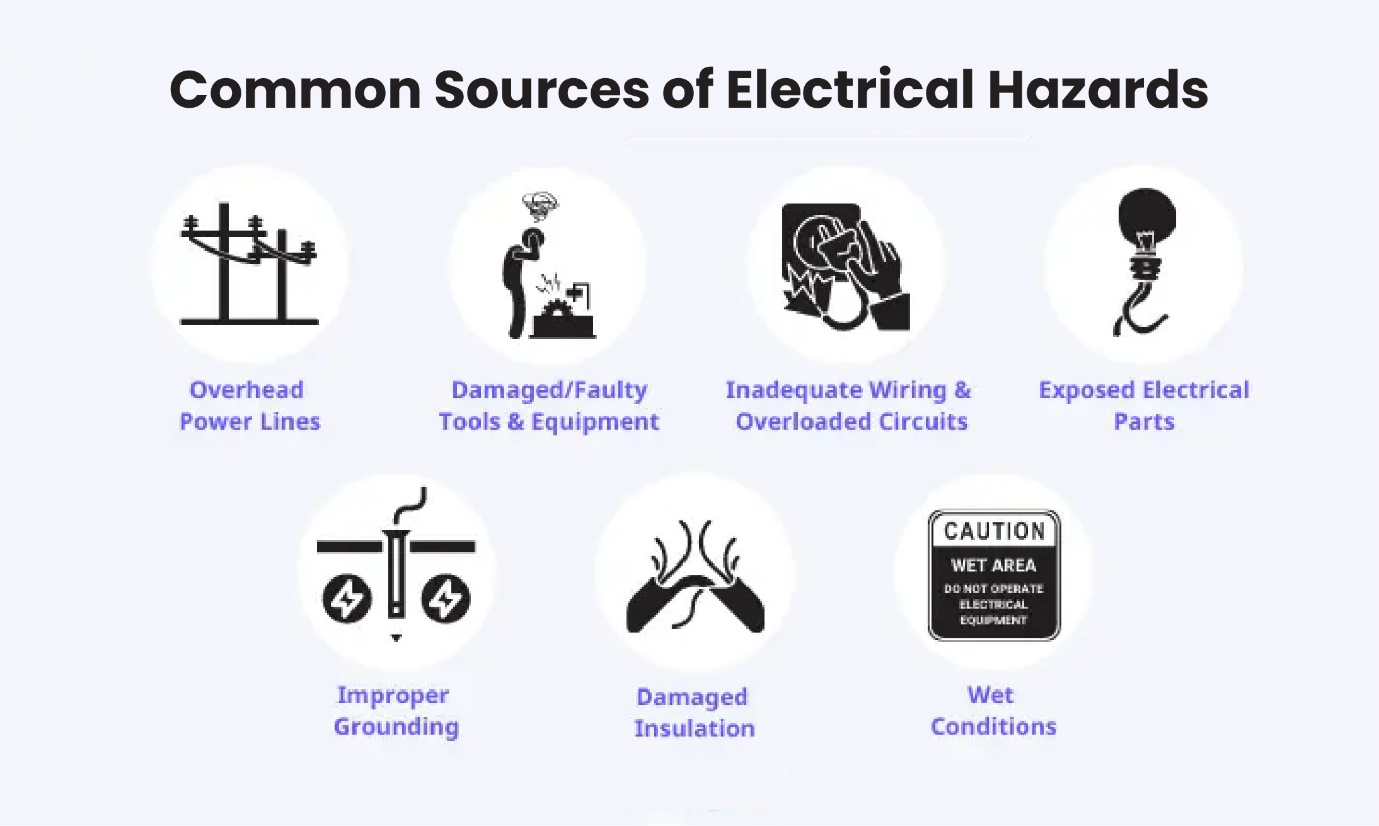
- Damaged Cords: Those frayed wires peeking out? Huge no-no! The insulation is compromised, making it easy to get shocked. Imagine the wire is a leaky water pipe – you wouldn't touch that, would you?
- Overloaded Outlets: Plugging too many devices into a single outlet or extension cord can overheat the wires and cause a fire. Think of it like trying to force too much water through a small hose – it's going to burst!
- Water and Electricity Don't Mix: This is a classic! Never use electrical appliances near water. Water conducts electricity incredibly well, making it a dangerous pathway to you. Your bathroom is a danger zone!
- Improper Grounding: Grounding provides a safe path for electricity to flow in case of a fault. If your appliances aren't properly grounded, you're at risk. This is why three-pronged plugs are important!
- Contact with Power Lines: Stay far away from power lines! They carry extremely high voltages and can be fatal. This applies to ladders, kites, and even tree branches near power lines.
Variations on these hazards exist. For example, a damaged cord can be subtly cracked, not just obviously frayed. An overloaded outlet might not immediately spark, but it could slowly melt the plastic and create a fire hazard later. The key is to be observant and proactive.
Getting started with electrical safety is easier than you think! Here are some simple, practical tips:
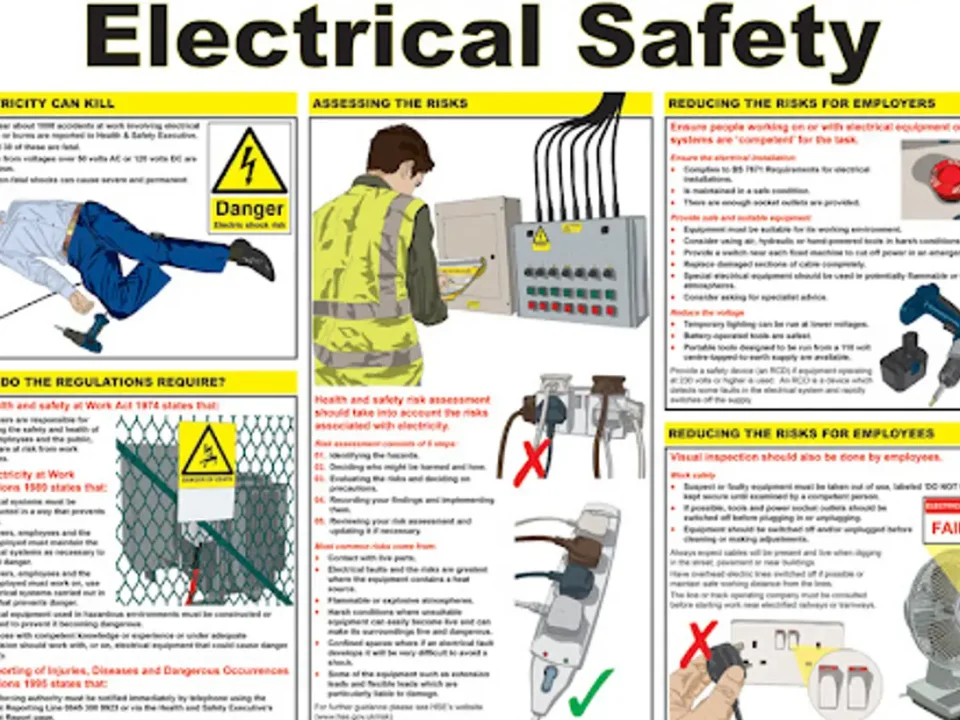
- Inspect cords regularly: Look for any signs of damage, like fraying, cracks, or exposed wires.
- Use extension cords wisely: Don't overload them, and use the right type for the job (e.g., outdoor extension cords for outdoor use).
- Unplug appliances when not in use: This saves energy and reduces the risk of electrical problems.
- Install GFCI outlets in bathrooms and kitchens: GFCI outlets are designed to quickly cut off power in the event of a ground fault, preventing shocks.
- Never stick anything into an electrical outlet: This includes fingers, toys, and metal objects.
Learning about electrical safety doesn't have to be a chore. Think of it as a superpower! By understanding the potential hazards and taking simple precautions, you can protect yourself and your loved ones from electrical accidents. So, go forth, be electricity-wise, and enjoy the benefits of safe and reliable power!