
Which Of The Following Elements Is A Noble Gas
Ever wondered about those mysterious, cool kids on the periodic table? The ones that seem to just… hang back and not get involved in all the drama? We're talking about the noble gases, and they're way more interesting than you might think! But first, let's get to the heart of the matter: which of the following elements is a noble gas? Let's imagine your options are like different personalities at a party.
Imagine you’re at a party. You have the social butterfly, the wallflower, the person deep in conversation about philosophy, and then… the person who just chills by the snack table, perfectly content observing everything and not needing to mingle. That, my friend, is your noble gas!
So, What Makes a Noble Gas 'Noble'?
Think of noble gases as the introverts of the element world. They’re perfectly happy as they are, thank you very much. They don't need to bond with other elements to become stable. They already are! This is because they have a full outer shell of electrons. Imagine it like having a completely full cup of happiness – they don't need to seek happiness from anyone else.
Must Read
This "full cup" makes them incredibly unreactive. That's why they were originally called "inert" gases – because scientists thought they couldn't react with anything at all! We now know that under extreme conditions, some can react, but for the most part, they prefer to stay solo.
Spotting a Noble Gas in the Crowd
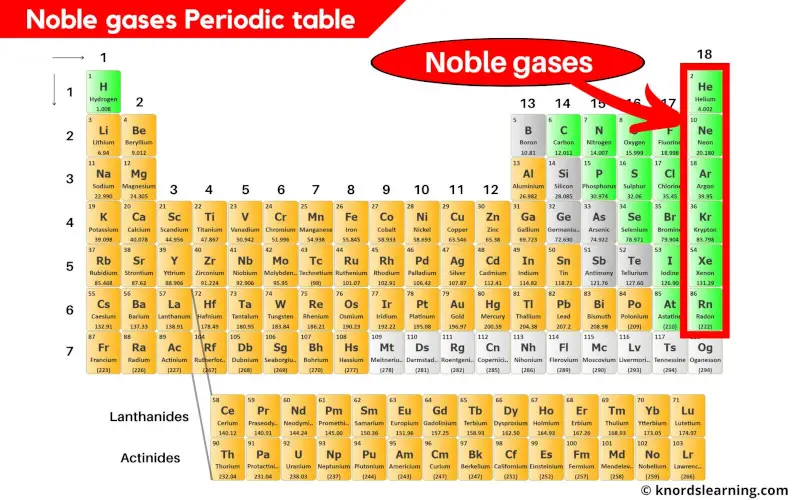
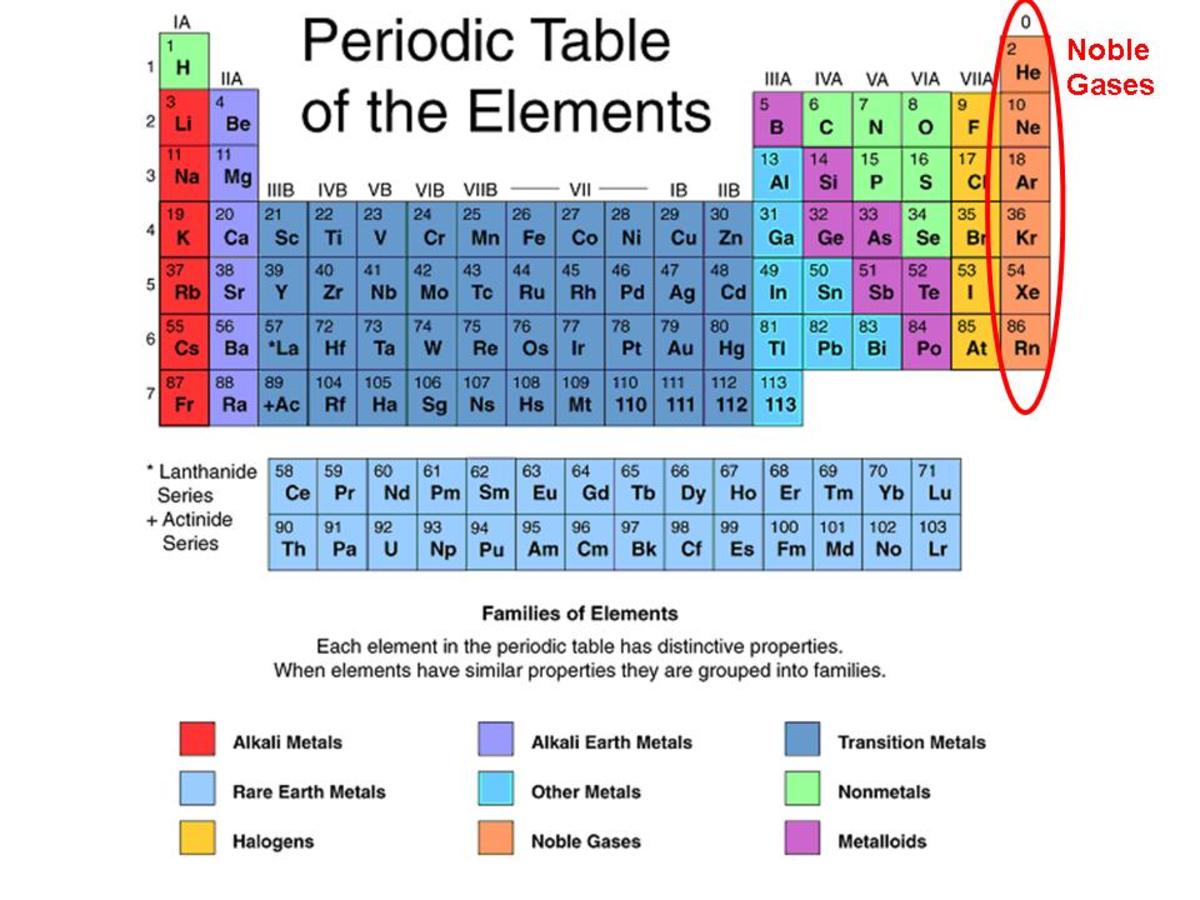
Okay, so how do you actually identify a noble gas from a list of elements? Here's the secret sauce: they're all in the same column on the periodic table, the far right column (Group 18). Think of it as the "cool kids' corner" of the periodic table.
The most common noble gases you might hear about are:

Helium (He): Remember those balloons that make your voice squeaky? That's helium!
*Neon (Ne): Bright, flashy, and used in signs – neon signs, of course!
*Argon (Ar): This one's used in light bulbs to prevent the filament from burning out. It's keeping your lights on!

Krypton (Kr): Maybe you remember this one from Superman! While Superman wasn't actually weakened by krypton in real life, it is used in some high-intensity lamps.
*Xenon (Xe): Used in photography flashes and some types of lamps.
*Radon (Rn): This one's a bit of a troublemaker. It's radioactive and can accumulate in buildings, so it's important to test for it.
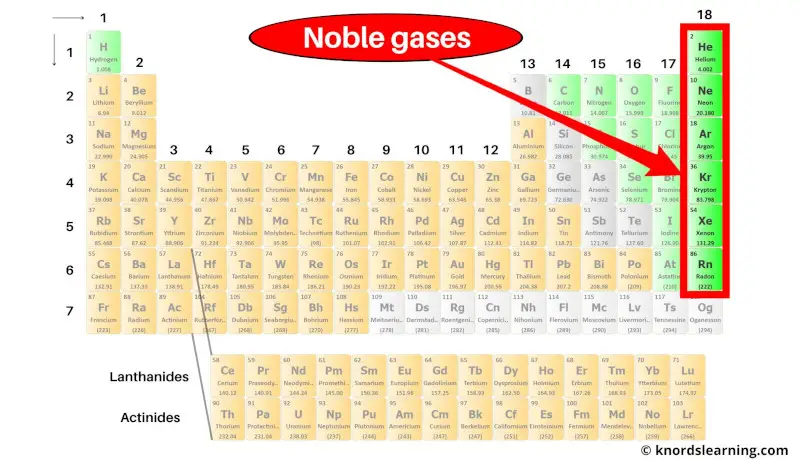
If you see any of these elements listed as an option, bam! You've found your noble gas.
Why Should You Even Care About Noble Gases?
You might be thinking, "Okay, cool, unreactive gases. So what?" Well, they're actually incredibly useful in all sorts of everyday applications!
Think about it: Helium lifts our party balloons and MRI machines use it to cool their superconducting magnets. Neon makes vibrant signs. Argon protects filaments in light bulbs. And even Krypton (of Superman fame!) plays a role in specialized lighting. Noble gases are essential for scientific research, medicine, and everyday technology. We use them all the time!
They're also pretty important for understanding the fundamental principles of chemistry. Because they're so stable, they help us understand how other elements strive to become stable through bonding. They’re the gold standard of chemical contentment.
A Final Tip for Spotting a Noble Gas
If you're still unsure, remember this: Noble gases are all gases at room temperature, and they're all monatomic, meaning they exist as single atoms, not molecules. So you'll see them represented as He, Ne, Ar, Kr, Xe, and Rn, not He2 or NeO (that would never happen!).
So, the next time you see a question asking which of the following elements is a noble gas, channel your inner chemist, remember the "cool kids' corner" of the periodic table, and confidently pick your answer. You’ve got this!
Understanding noble gases is like having a secret key to understanding a small but important part of the chemical world. It's not just about memorizing a list of elements; it's about understanding why they behave the way they do and how they impact our lives. And that, my friend, is pretty noble indeed.