
Which Of The Following Are Transition Metals

Hey there, curious minds! Ever wondered what gives some metals their zing? Like, why is copper all reddish-brown and gold so... well, golden? Let's dive into the world of transition metals, and figure out what makes them so special. No lab coat required, promise!
What Exactly Are Transition Metals?
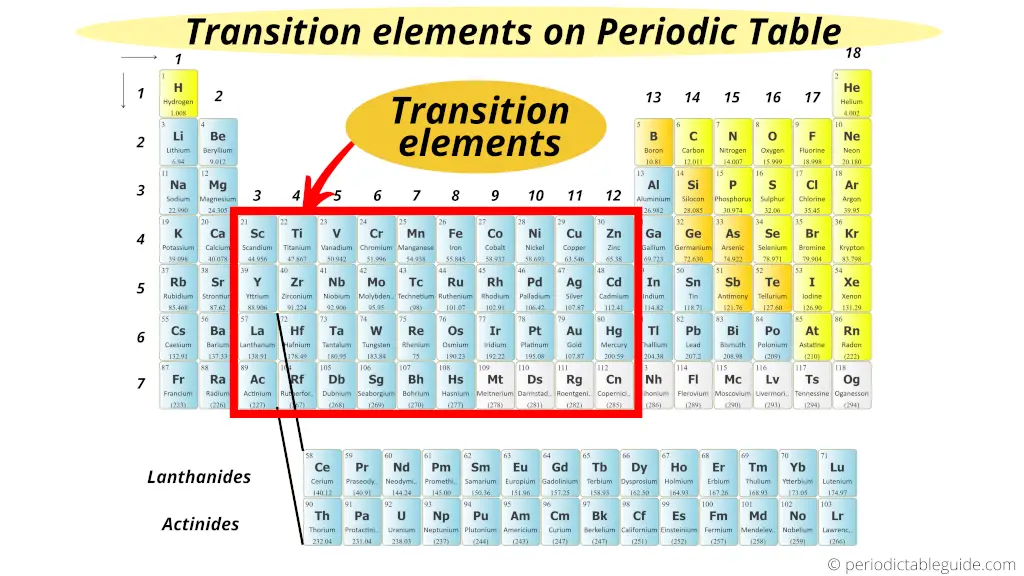
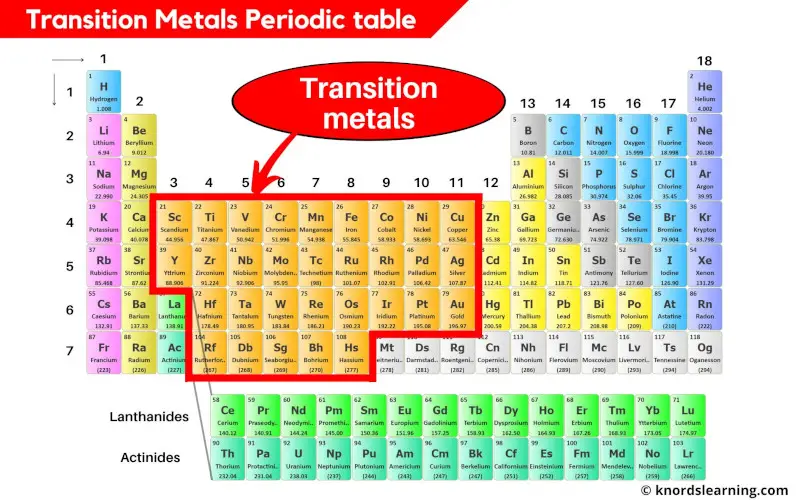
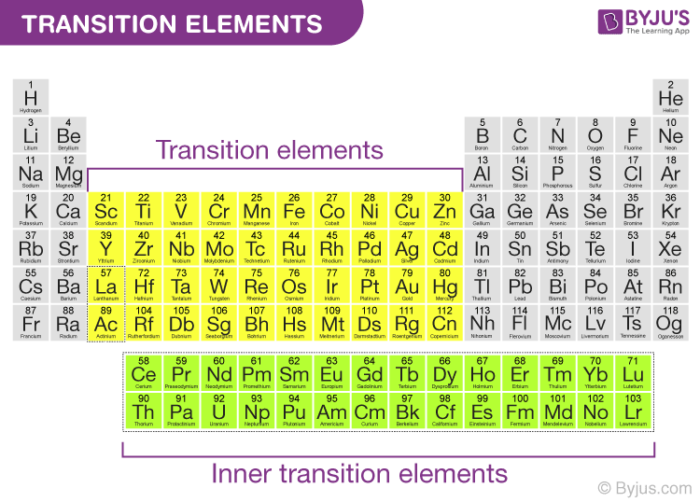
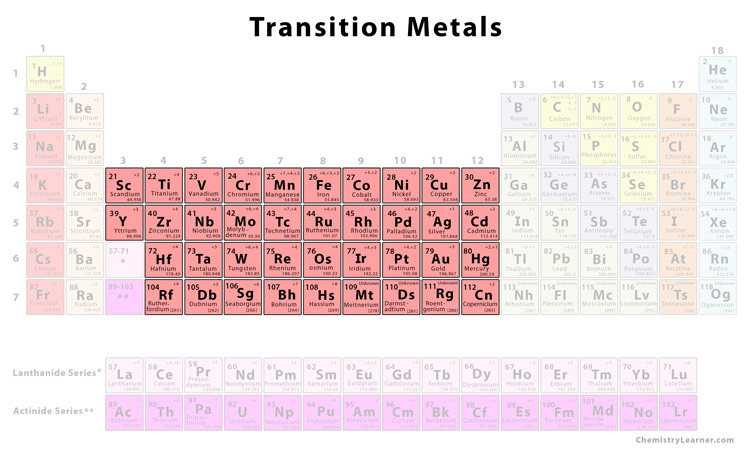
Okay, so you’ve probably heard the term. Maybe you vaguely remember it from high school chemistry. But what are they? Think of the periodic table as a neighborhood. The transition metals are like the cool kids hanging out in the center block, between the ultra-reactive alkali metals and the more predictable main group elements. They’re in groups 3 to 12, if you're looking at a periodic table right now.
But it’s not just about location, location, location. These metals have something special going on in their electron configurations. Without getting too technical, they have partially filled d orbitals. What does that even mean? It means their electrons are arranged in a way that allows them to form lots of different bonds and create colorful compounds. Think of it like this: regular metals are playing checkers, while transition metals are playing 3D chess! They’re much more flexible and can participate in a wider variety of chemical reactions.
Must Read
So, Which Ones Are Transition Metals?
Alright, let's get to the meat of the matter. Instead of just listing them off, let's think about some examples you might actually know. Makes it way more interesting, right?
Iron (Fe): Ding ding ding! We have a winner! Iron is the quintessential transition metal. We use it to build skyscrapers, cars, and even the hemoglobin in our blood that carries oxygen. Pretty important stuff!
Copper (Cu): You bet! Remember that reddish-brown color we talked about? That's thanks to its partially filled d orbitals. Copper is a great conductor of electricity, which is why it's used in wiring and plumbing.
Gold (Au): Absolutely! That lustrous yellow color? Transition metal magic! Gold is resistant to corrosion, making it perfect for jewelry and electronics.
Silver (Ag): Yep, another classic! Like gold, silver is highly conductive and corrosion-resistant. Plus, it has antibacterial properties. Cool fact: silver nanoparticles are used in some bandages to promote healing.
Titanium (Ti): A strong contender! Titanium is incredibly strong and lightweight, making it ideal for aircraft, medical implants, and even golf clubs. It's like the superhero of metals!
Zinc (Zn): This one is a little tricky. While it's located in group 12, some chemists argue about whether it's truly a transition metal because its d orbitals are completely full. It behaves like one in many ways, though, so we often include it!
Now, what about something like sodium (Na) or calcium (Ca)? Nope! These guys are alkali and alkaline earth metals, respectively. They are located on the left side of the periodic table and behave very differently from transition metals. Their electron configurations are much simpler, and they don't form the same variety of compounds.
Why Are Transition Metals So Cool?
Okay, so they have partially filled d orbitals. But why should you care? Well, besides the fact that they're used in tons of everyday applications, they are also responsible for some pretty fascinating phenomena.
Color! Remember how we talked about the vibrant colors of copper and gold? Many transition metal compounds are intensely colored because their electrons can absorb specific wavelengths of light. Think about the green color of emeralds (chromium), the blue of sapphire (iron and titanium), or the purple of amethyst (iron). Nature's paintbox is heavily reliant on transition metals!
Catalysis! Transition metals are excellent catalysts, meaning they can speed up chemical reactions without being consumed themselves. This is crucial for many industrial processes, such as the production of plastics, fertilizers, and pharmaceuticals. They're like the ultimate chemical matchmakers!
Magnetism! Some transition metals, like iron, cobalt, and nickel, are ferromagnetic, meaning they can be permanently magnetized. This is why we can use them to make magnets, hard drives, and other essential components of modern technology. Talk about attractive!
So, What's the Takeaway?
Transition metals are a fascinating group of elements that play a crucial role in our daily lives and in the world around us. From the iron in our blood to the gold in our jewelry, these metals are essential for everything from building skyscrapers to creating stunning works of art. Next time you see a colorful gemstone or a powerful magnet, remember the magic of the transition metals!
Hopefully this makes a little more sense! Keep exploring and asking questions! The world of chemistry is full of surprises!