Which Of The Following Are Electrical Hazards
Think about your morning. The alarm clock buzzing you awake, the coffee maker brewing your favorite blend, the lights illuminating your face in the mirror as you get ready. What do all these things have in common? Electricity! We rely on it for just about everything, and that's why understanding electrical safety is so crucial.
Electricity is the lifeblood of the modern world. It powers our homes, businesses, transportation systems, and entertainment. Without it, we’d be plunged back into the Dark Ages. Imagine trying to work from home without your laptop, charging your phone, or even keeping food cold in the refrigerator. Electricity allows us to connect with loved ones across the globe, access information instantly, and enjoy countless conveniences that make our lives easier and more productive. It's truly remarkable!
The applications of electricity are virtually limitless. We use it for lighting, heating, cooling, powering appliances big and small, running machinery in factories, and even for medical treatments. From the humble toaster to the complex MRI machine, electricity is the invisible force that makes it all work. Consider the public transportation. Electric trains and buses are becoming increasingly common, offering a cleaner and more efficient way to commute. Even cars are becoming electric, reducing our dependence on fossil fuels.
Must Read
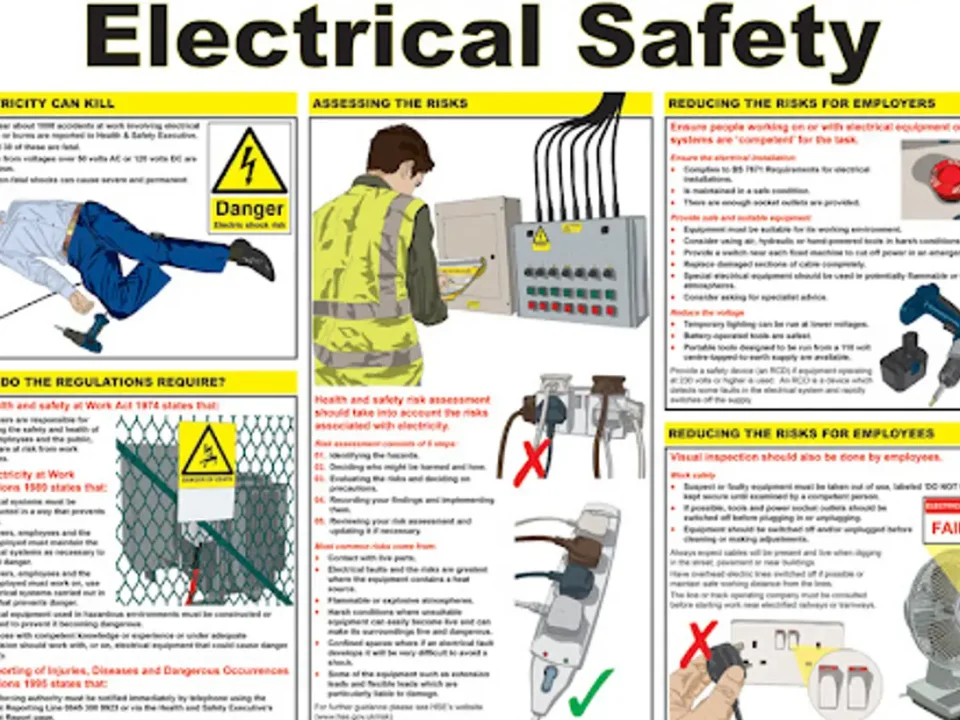
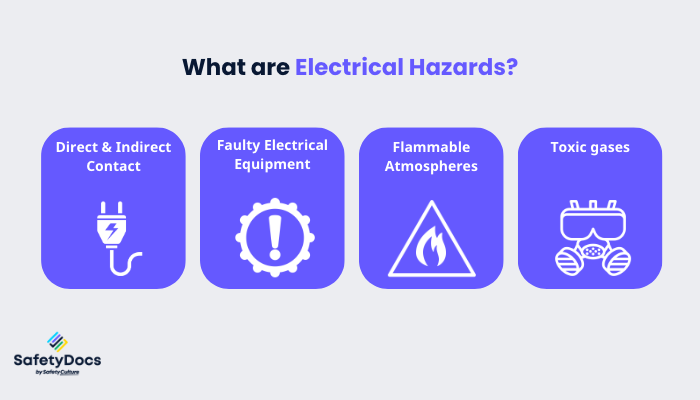
But all this power comes with a responsibility. Mishandling electricity can lead to serious injury or even death. So, let's talk about electrical hazards. Which of the following are electrical hazards? Well, pretty much anything that involves electricity if it's not handled correctly! Here are some key culprits to be aware of:
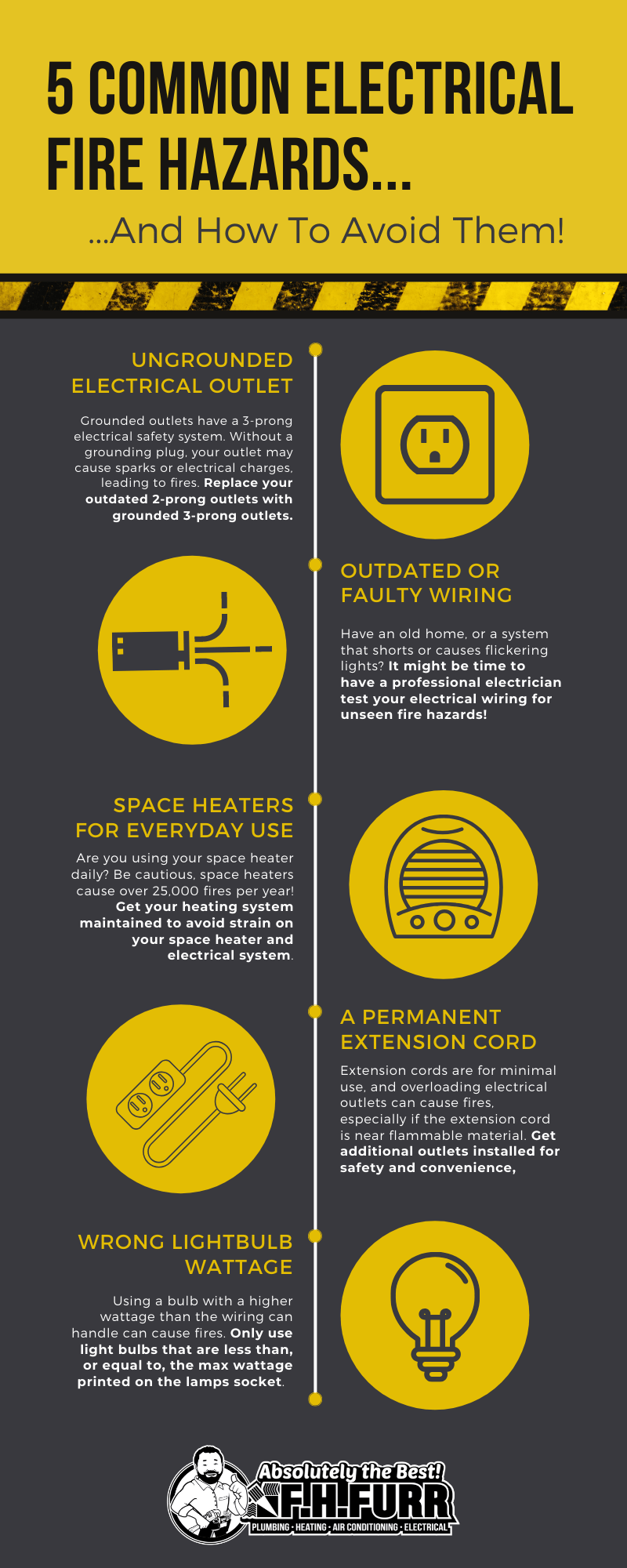
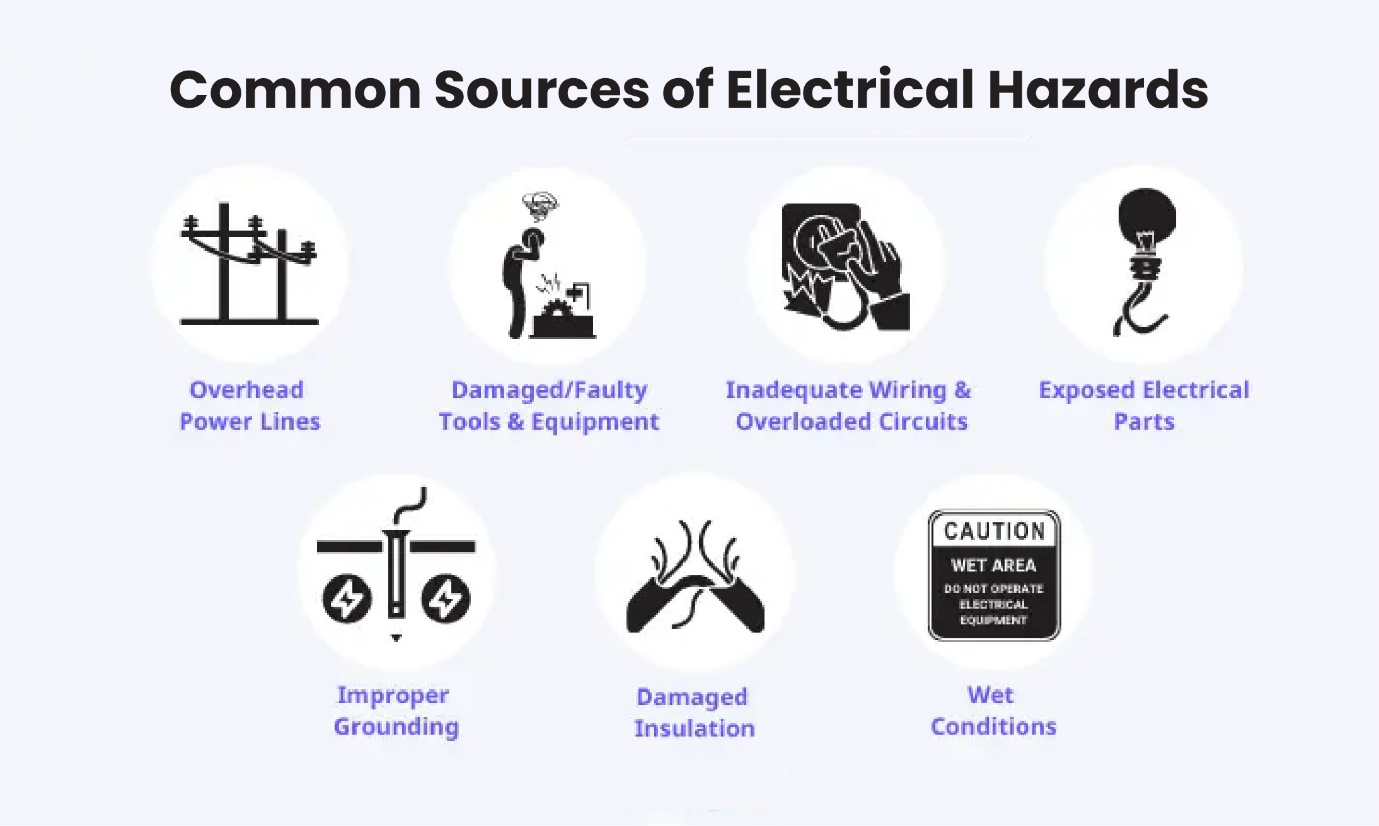
- Damaged cords and wires: Frayed insulation exposes bare wires, creating a shock hazard. Never use appliances with damaged cords, and always replace them promptly.
- Overloaded circuits: Plugging too many devices into a single outlet or circuit can cause overheating and potentially start a fire. Use power strips with surge protectors, but don't daisy-chain them!
- Water and electricity: Water is an excellent conductor of electricity. Never use electrical appliances near water sources like sinks, bathtubs, or swimming pools. And if an appliance falls into water, don't touch it! Immediately turn off the power at the breaker box.
- Improper grounding: Grounding provides a safe path for electricity to flow in case of a fault. Make sure your outlets are properly grounded and that you're using three-pronged plugs.
- Contact with power lines: Overhead power lines carry extremely high voltages. Stay away from them, especially when working outdoors with ladders or other equipment. Call the electricity company if you see low-hanging or damaged power lines.
To enjoy electricity more effectively and safely, always be mindful of these potential hazards. Regularly inspect your cords and appliances, avoid overloading circuits, and keep water away from electrical equipment. If you're unsure about any electrical work, always consult a qualified electrician. Taking these precautions will help you harness the power of electricity without putting yourself or your loved ones at risk. Remember, safety first!