
Which Number Plastic Bottles Are Safe To Reuse
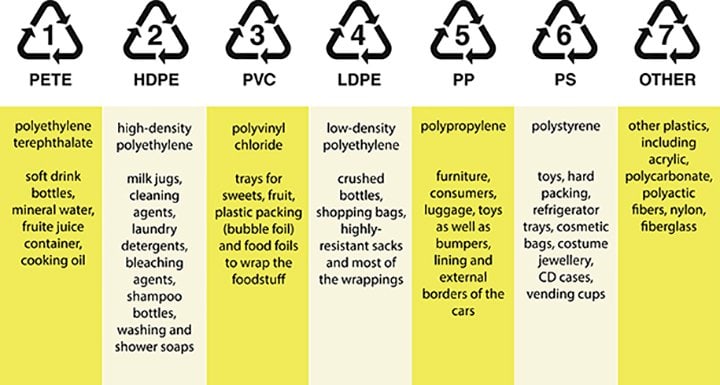
Ever squinted at the bottom of a plastic bottle? You know, trying to decipher those tiny, mysterious symbols? We've all been there! It's like cracking a secret code. And guess what? That code tells you if your bottle is ready for a repeat performance or if it's a one-hit-wonder.
So, which bottles deserve a second act? Let’s dive in and decode those little numbers – because reusing is cool, but knowing what you're reusing is even cooler.
The Plastic Number Game: Decoding the Codes
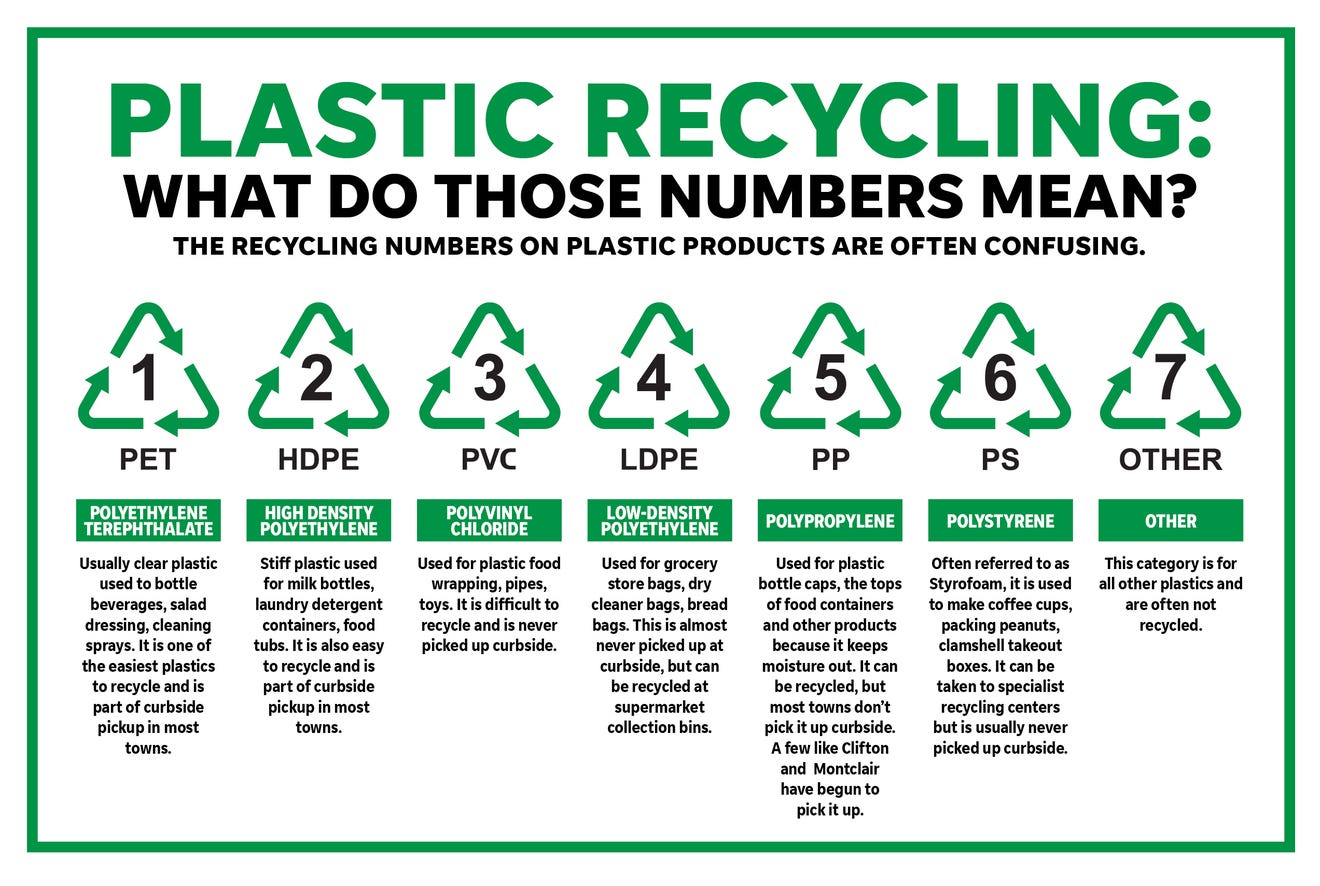
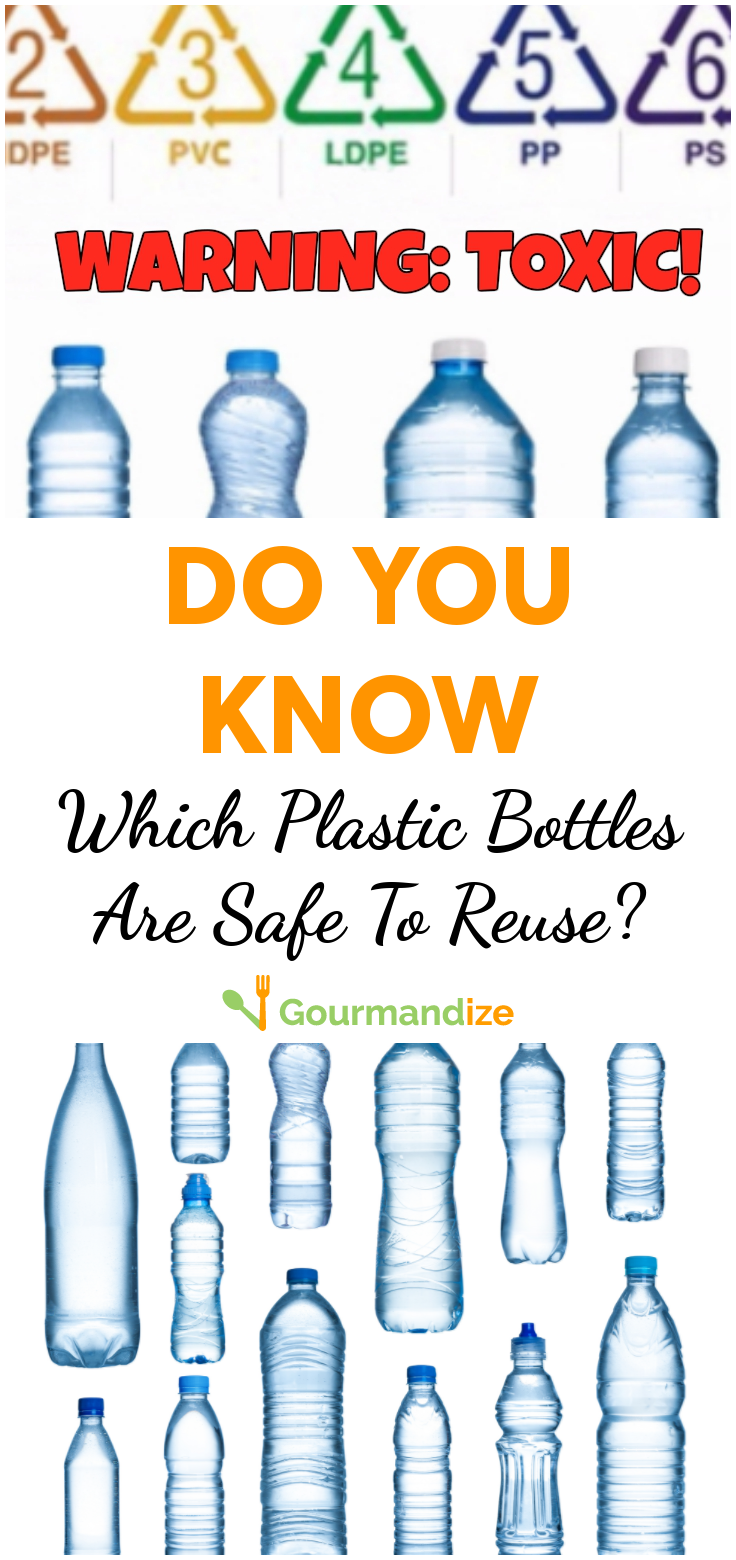
Those numbers inside the recycling symbol aren't just random decorations. They’re a guide to the plastic's composition. Think of them as little personalities. Some are friendly and reusable, others...not so much.
Must Read
First up, we have the infamous #1, PET or PETE (Polyethylene Terephthalate). This is your standard water bottle, soda bottle, and some mouthwash containers. While technically recyclable, these guys aren't really built for long-term reuse. They can harbor bacteria, and some studies suggest they might leach chemicals with repeated use. So, recycle them, but maybe don’t make them your go-to water bottle for the week. Think of them like that friend who’s great for a quick chat, but not for a long road trip.
Next, let's talk about #2, HDPE (High-Density Polyethylene). This is where things get interesting! Milk jugs, detergent bottles, and some shampoo bottles often sport this number. HDPE is considered one of the safer plastics. It's pretty sturdy and doesn't leach chemicals easily. Go ahead and reuse these for water, or other things! Just give them a good scrub first. These are the reliable friends you can always count on.
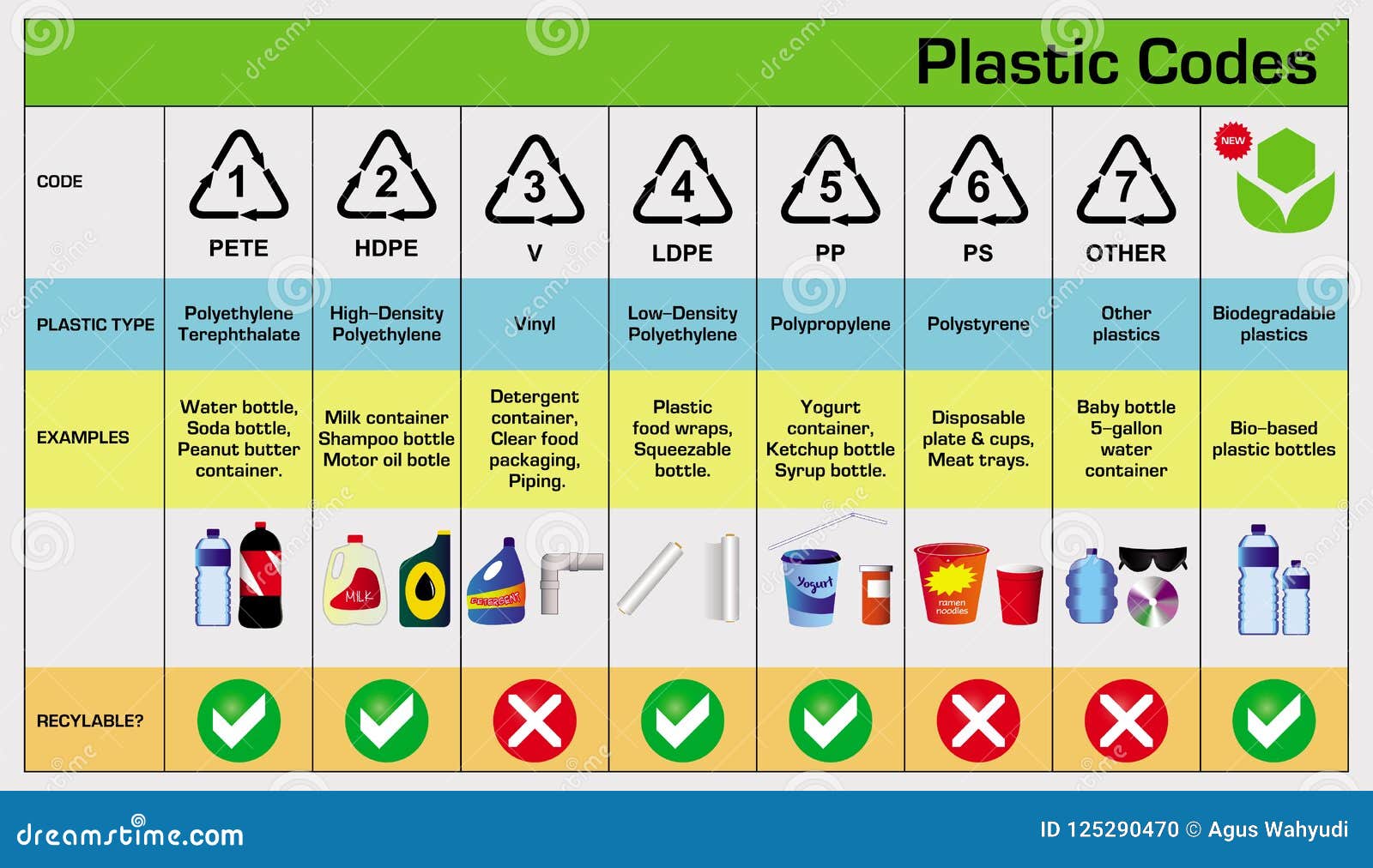
Then there's #4, LDPE (Low-Density Polyethylene). You’ll find this in squeeze bottles, bread bags, and some plastic wraps. LDPE is generally considered safe, but it’s not super durable for repeated use. Plus, it can be a bit tricky to clean thoroughly. It's like that comfy, but slightly flimsy, sweater you love to wear around the house.
Now, let’s steer clear of #3, PVC (Polyvinyl Chloride) and #6, PS (Polystyrene). PVC is often used for pipes and some cling wraps, while PS is your classic Styrofoam. These plastics can leach harmful chemicals and are generally difficult to recycle. Best to avoid reusing these altogether. Consider them the shady characters you definitely don't want hanging around.
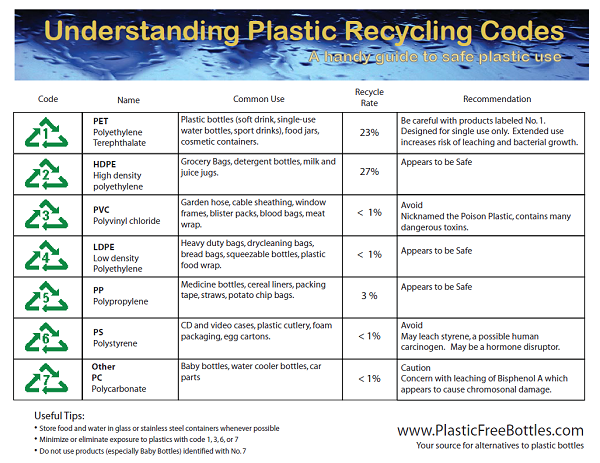
Lastly, we have #5, PP (Polypropylene). This is another good one! You'll find it in yogurt containers, medicine bottles, and some food containers. PP is sturdy, heat-resistant, and generally considered safe for reuse. It’s like that dependable kitchen gadget that always gets the job done.
So, Which Bottles Get the Gold Star?
Okay, so we've cracked the code! The real winners in the reusable bottle game are those marked with #2 (HDPE) and #5 (PP). These plastics are generally considered safer for repeated use and are less likely to leach chemicals. But remember to always wash them thoroughly between uses, especially if you're storing something other than water.
And if you’re feeling extra eco-conscious, why not ditch the plastic altogether and invest in a reusable water bottle made of stainless steel or glass? They're stylish, durable, and totally plastic-free! Think of it as upgrading from a bicycle to a super-cool electric scooter. Much better for the environment.
Don’t forget those BPA-free labels! While not a number, it's something to look out for to make sure you're as safe as can be.
So next time you reach for that plastic bottle, take a peek at the bottom. A little bit of knowledge can go a long way in keeping you healthy and our planet happy. Happy hydrating!
Plus, it's fun to look smart to your friends and family. You’ll be the bottle-decoding guru everyone turns to!
Recycling is another alternative for #1 (PET or PETE) plastics or any other plastic that you don't want to re-use.