Which Nonrenewable Resource Cannot Be Recycled

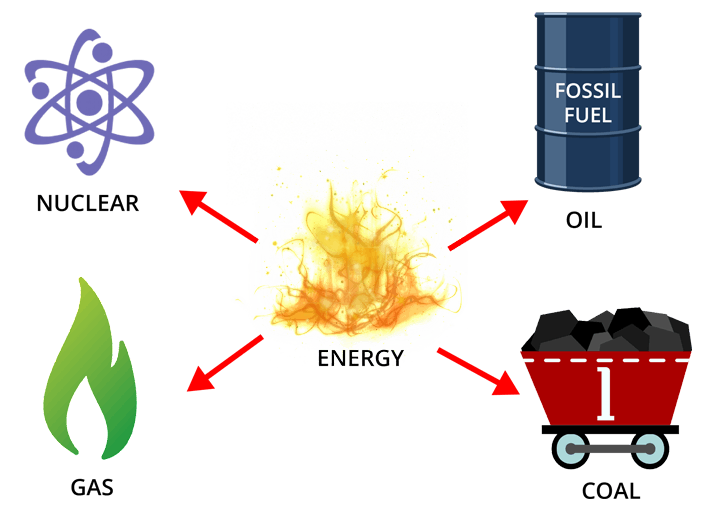
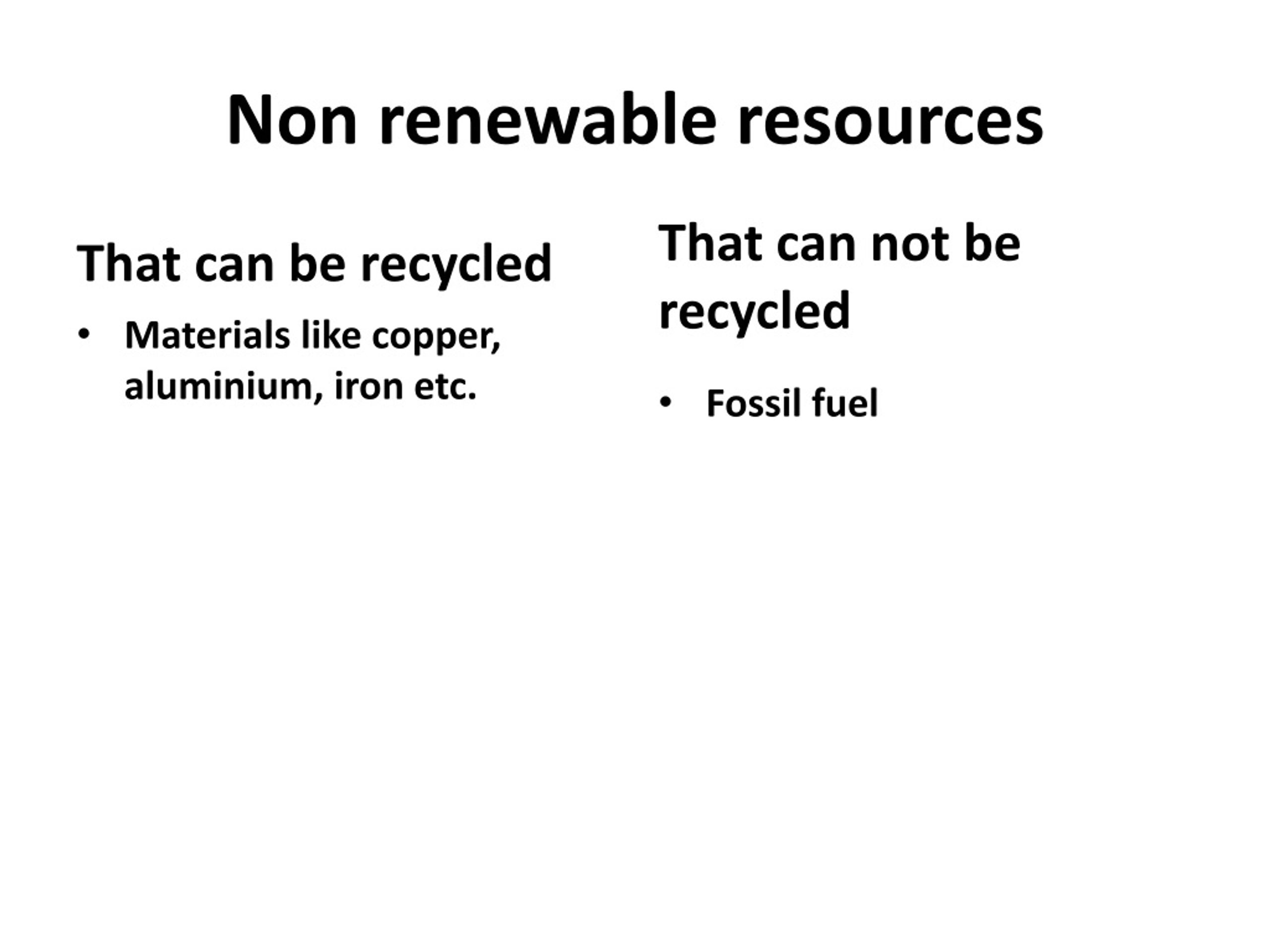
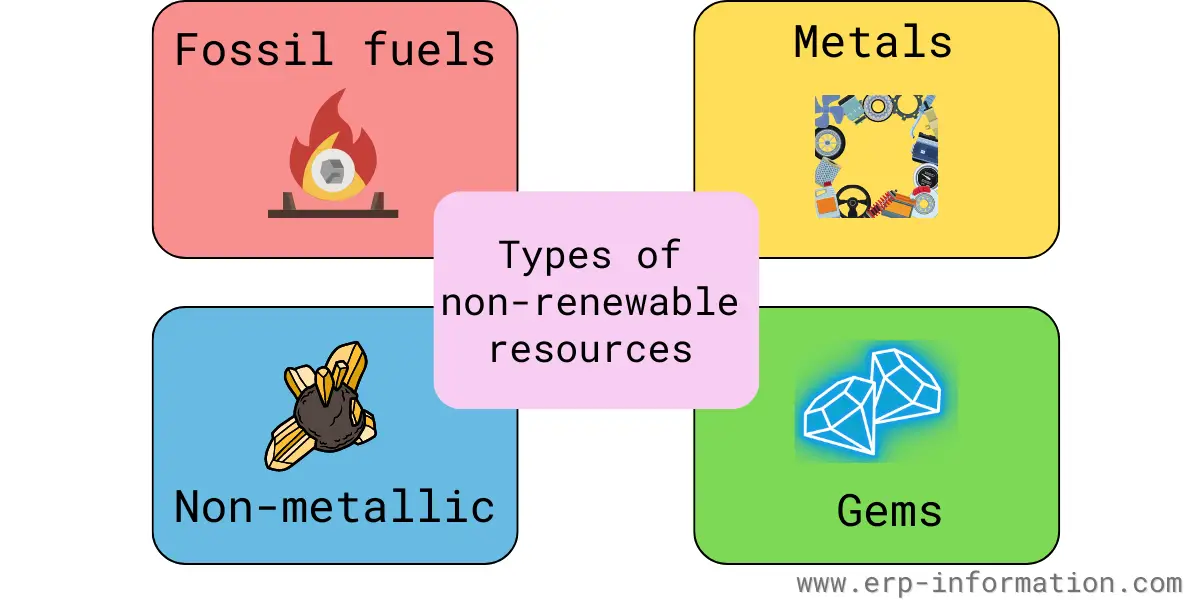
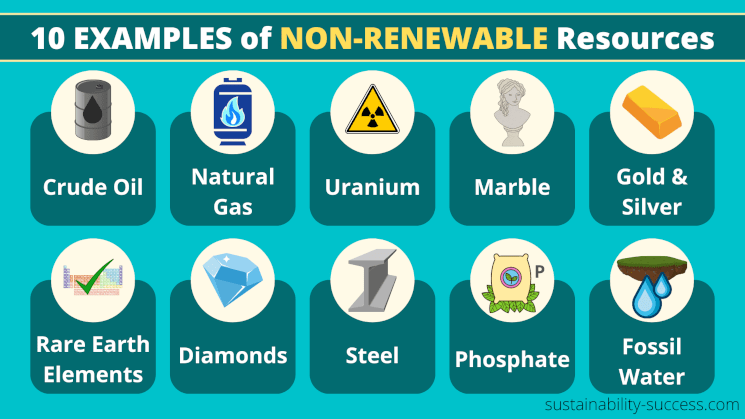
Okay, let's talk nonrenewable resources. We all know the drill: they're finite. Once they're gone, they're gone. We can't exactly grow new coal in our backyard, right? But some nonrenewables get recycled. Metal is a champion recycler. Glass? Pretty good at it. Even some plastics get a second (or third, or tenth!) life. But there's one resource that's basically a recycling black hole. A resource that, once used, is just... poof. Gone. Forever. I'm talking, of course, about fossil fuels.
The Usual Suspects: Oil, Coal, and Natural Gas
Now, I know what you're thinking. "But we refine oil! We reuse coal ash! We store natural gas!" True. But that's not really recycling, is it? Refining oil is like washing a dirty shirt – it's cleaning it, not recreating the cotton. Reusing coal ash is clever, but it's not turning that ash back into coal. And storing natural gas? Well, that's just keeping it around for later. We're not making more of it. We're just managing what we already have. These are all great approaches, but aren't exactly a closed-loop system in the same way we can melt down old aluminum cans into new ones.
I'm going to stick my neck out here: burning these fuels is the ultimate one-way ticket. Once you ignite that gasoline in your car, that coal in a power plant, or that natural gas in your furnace, that's it. The energy is released, sure, but the actual resource is transformed into something else entirely – mostly carbon dioxide and water vapor. We can't just scoop up those emissions and shove them back into the ground to create new oil, can we? I mean, science hasn't quite caught up with my dreams yet.
Must Read
Think of it like this: you can recycle a paper bag into a new paper bag. You can melt down a plastic bottle and turn it into a park bench. But can you un-burn gasoline and turn it back into crude oil? Nope. Can you reverse combustion and create more natural gas with the remnants of past burning? Also nope. My recycling bin says, "Reject!".
Wait, What About Carbon Capture?
Okay, okay, I hear you. What about carbon capture? Isn't that like recycling carbon? Well, kind of. But even the most advanced carbon capture technologies are still in their infancy. And even if they become widespread, they're not really "recycling" the fossil fuels themselves. They're capturing the carbon dioxide released when those fuels are burned and storing it underground (ideally). It's like catching the smoke from a campfire and putting it in a jar – you haven't made the firewood reappear, have you? And is this process even scalable to have a huge impact globally? I'm still a skeptic.
Plus, carbon capture requires more energy, which often comes from...you guessed it...more fossil fuels. So, are we really solving the problem, or just kicking the can (or rather, the CO2 molecule) down the road?
Unpopular Opinion Time
Here's my (possibly unpopular) opinion: fossil fuels are the most tragically unrecyclable of all nonrenewable resources. We might find ways to mitigate their impact, to capture their emissions, and to use them more efficiently. But at the end of the day, burning them is a point of no return. It’s a one way journey to heat, light, and lots of gases. It doesn't get to come back. Unlike many of the other nonrenewable resources, there's not a lot of circularity to using fossil fuels.
Maybe one day, future scientists will invent a machine that can suck carbon dioxide out of the atmosphere and magically turn it back into oil. But until then, let's focus on reducing our reliance on these unrecyclable energy sources and embracing truly sustainable alternatives. After all, the planet only has so much gasoline to burn.
So, what do you think? Am I totally off base? Or do you agree that fossil fuels are the ultimate recycling challenge?
“The greatest threat to our planet is the belief that someone else will save it.” - Robert Swan