Which Metals Commonly Used By Artists Are Alloys
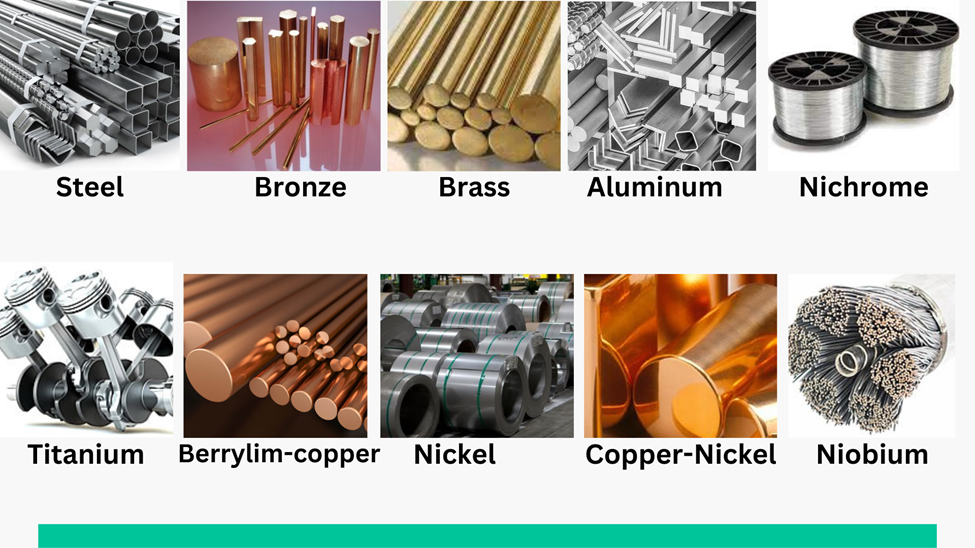
Okay, art lovers, let's talk metals. Specifically, which of those shiny, colorful materials your favorite artists are using are actually sneaky alloys. Because let’s be honest, sometimes we think we're getting pure, unadulterated metal goodness, and BAM! It's a mix. And sometimes, that's even better!
Brass: The Band Geek Metal
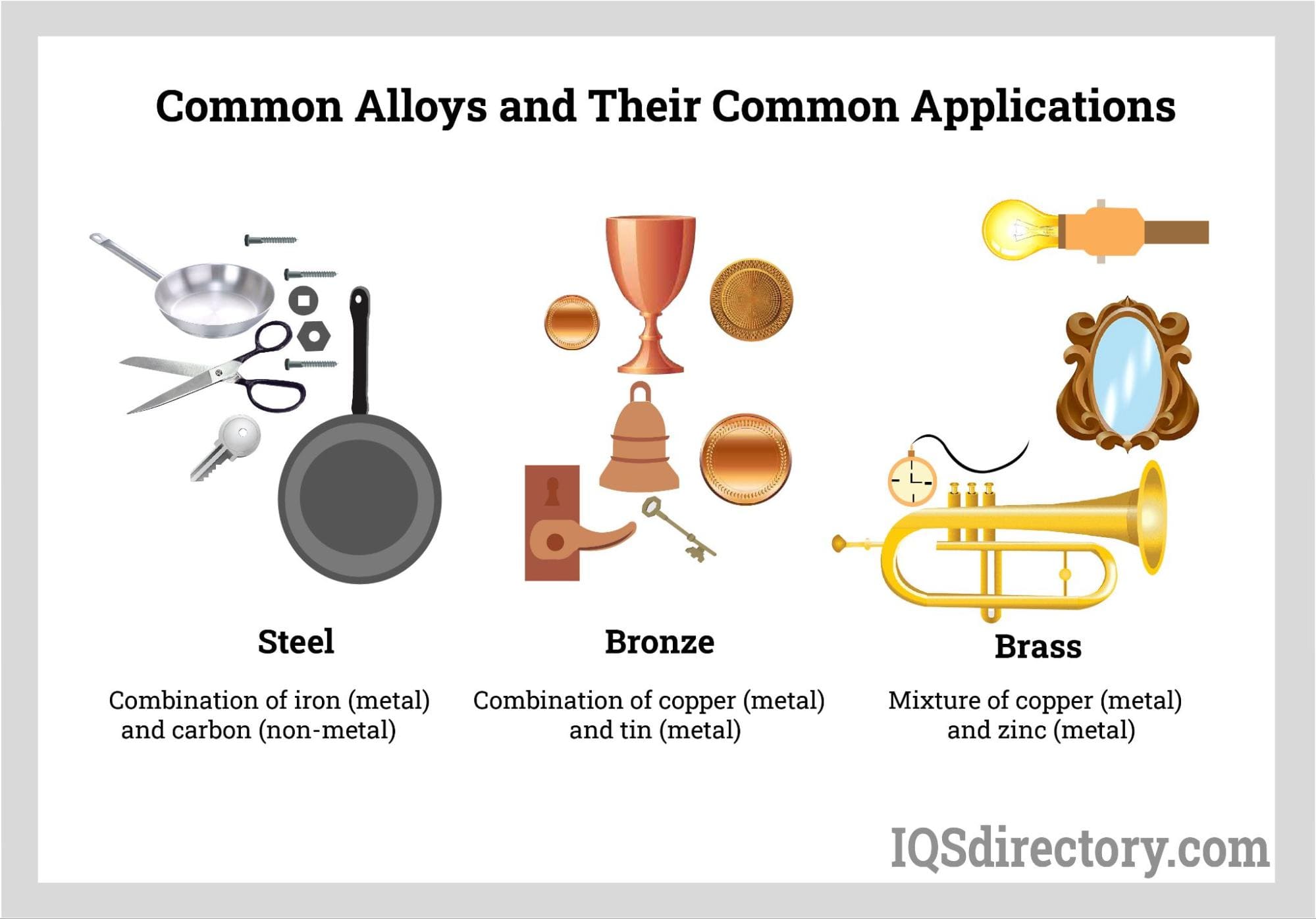
First up, we've got brass. You know, that golden-ish, sometimes greenish, metal that makes up your grandpa's old trumpet? Yeah, that's not pure gold. Sorry to burst your bubble. Brass is a blend. A delightful marriage of copper and zinc. Think of it like peanut butter and jelly: two good things that are arguably even better together. Brass instruments, door knobs, even fancy sculptures? Brass is a major player.
And here's my unpopular opinion: I actually prefer brass to pure copper in many cases. Fight me. The color is richer, more interesting. Plus, it tarnishes in that cool, antique-y way. Copper sometimes just goes green. Eek!
Must Read
Bronze: The History Buff's Favorite
Next! We have bronze. Oh, bronze. So ancient. So…bronzey! If you’ve ever seen a statue of a Roman emperor (or a really buff Greek god), chances are it's bronze. It's been around for ages, and for good reason. Bronze is mostly copper, but with a little tin sprinkled in for good measure. It's like adding a pinch of salt to your chocolate chip cookies: unexpectedly awesome.
Bronze is tough. Really tough. That’s why they made swords and shields out of it way back when. And now, artists make incredibly detailed sculptures. It can handle a lot of detail. And here's another potentially controversial statement: bronze ages beautifully. Those green and brown patinas? Those are badges of honor, proof that your art has lived a life! Don’t even get me started on cleaning them… leave the patina alone!!
Pewter: The "Is It Silver?" Imposter
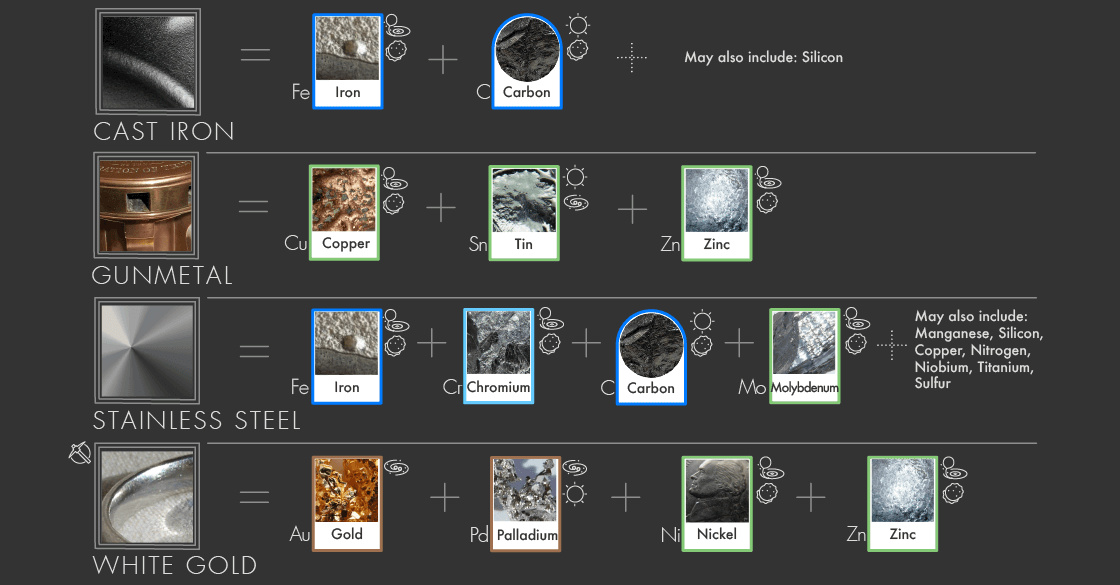
Pewter is another clever disguise artist. It looks silvery, right? But, surprise! It's usually a mix of tin with smaller amounts of antimony, copper, or even lead (though lead is less common these days because, you know, poison). It's that chameleon of the metal world, pretending to be more precious than it is. No shame in its game, though! Pewter is affordable, relatively easy to work with, and has a lovely soft sheen.
My unpopular opinion? I like pewter better than some types of silver. There, I said it. It's got a warmth and character that some super-polished silver lacks. And it doesn't tarnish as quickly!

Sterling Silver: The Nearly-Pure One
Okay, okay, I hear you shouting: "But what about silver?!" Alright, let's address sterling silver. It’s considered fairly "pure," but even sterling silver is an alloy. It's mostly silver (92.5%), but it includes copper (7.5%). Why the copper? Because pure silver is too soft. It would bend and dent with the slightest touch. Copper gives it strength and durability. So even the "purest" metals aren't always entirely pure.
And finally, my totally out-there, probably-going-to-get-me-canceled opinion: sometimes the imperfections are what make art great! Whether it's a slight tarnish on the brass, the subtle green of aged bronze, or the deliberate mixing of metals to achieve a certain effect, it's all part of the story. It's all part of the art.

So, next time you're admiring a metal sculpture or a piece of jewelry, take a closer look. Consider the blend, the history, the secrets hiding within. You might just find that the "impure" metals are the most interesting of all.
“The art challenges the technology, and the technology inspires the art.” - John Lasseter