
Which Light Has The Most Energy

Imagine a quiet afternoon, sunlight streaming through a window, painting warm stripes across the floor. Or perhaps you're gazing at a vibrant rainbow after a summer shower, marveling at its spectacular colors. We experience light every single day, in countless beautiful ways.
But have you ever paused to think about what light really is? It's not just brightness; it's a bustling family of invisible waves and particles, each with its own unique personality and power.
Some light is soft and gentle, like a lullaby. Other light is sharp and potent, like a cosmic superhero's punch. So, which kind of light truly packs the most energetic wallop?
Must Read
The Colorful Crew We Know and Love
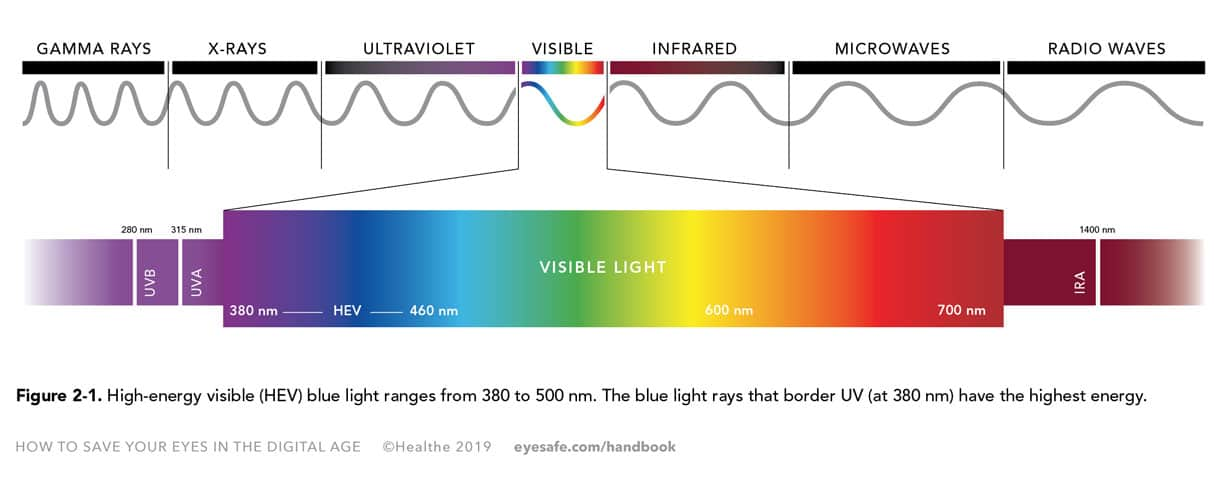
Let's start with the light we can actually see – the dazzling spectrum of colors from red to violet. This is our familiar visible light, the friendly face of the light family.
Think about a warm, cozy red light, maybe from a crackling fireplace or a festive holiday decoration. This light feels comforting and gentle. It has energy, of course, but it’s the quiet, steady kind.
As we move through the rainbow, from orange to yellow, then green and blue, the light waves get a little more active. They're like little runners, picking up speed.
When we reach the vibrant blues and purples, like the deep color of a twilight sky or a sparkling amethyst, the energy starts to really buzz. These colors are known for being a bit feistier than their red cousins.
Violet light, at the very edge of what our eyes can detect, is the most energetic color of the visible rainbow. It's the speed demon of the colorful crew, but even it has some serious competition from invisible members of the light family.
Meeting the Invisible Superheroes
Our eyes are amazing, but they can only see a tiny sliver of all the light that's out there. The universe is teeming with invisible light, and some of these unseen champions carry incredible amounts of energy.
First, let's meet infrared light. This is the warm hug of the light family, often associated with heat. You can't see it, but you definitely feel it.
When you hold your hand near a warm stove or a radiant heater, you're feeling infrared light. Your TV remote control zaps messages to your television using infrared beams.
Infrared light helps doctors see patterns of heat in our bodies and allows night-vision goggles to peer through the darkness. It has more energy than red light, offering a gentle warmth and useful insights.
Next up is ultraviolet light, often called UV light. This light is a bit of a double-edged sword, like a playful but powerful friend.

We can't see UV light, but we certainly feel its effects, especially on a sunny day. It's the light that gives you a beautiful tan, but also the one that can lead to a painful sunburn if you're not careful.
UV light has more energy than visible light, even more than violet. It's energetic enough to kill germs, making it useful for sterilizing surfaces. Special lamps can use UV light to help us spot counterfeit money by making hidden markings glow.
It’s powerful enough to change our skin cells, which is why we wear sunscreen. Ultraviolet light shows us that the invisible world of light holds some serious punch.
The True Powerhouses: Beyond Our Everyday
Now we're entering the realm of light that truly has jaw-dropping energy. These types of light are so powerful, they can pass right through things we consider solid.
Imagine needing to see inside a wrapped gift without opening it. That's essentially what X-rays do for us, but with much more important packages: our bodies.

X-rays are incredibly energetic. They can pass through soft tissues like skin and muscle, but are absorbed by denser materials like bone. This allows doctors to take detailed pictures of our skeletons, revealing broken bones or other internal issues.
The discovery of X-rays was a monumental moment in science and medicine. Suddenly, we had an invisible flashlight that could peek inside the human body without a single cut. It's a testament to the astonishing energy hidden within light.
But even X-rays aren't the undisputed champion. The title for the most energetic light goes to the cosmic heavyweights: gamma rays.
Gamma rays are the undisputed powerhouses of the light family. They are born in the most extreme and violent events in the universe: exploding stars called supernovae, swirling black holes, and other incredible cosmic phenomena.
These rays carry so much energy that they can easily pass through most materials. On Earth, we use controlled bursts of gamma rays in medicine to treat certain cancers, precisely targeting and destroying harmful cells.

In space, telescopes designed to detect gamma rays allow us to study the most energetic processes in the universe, giving us clues about how galaxies form and how stars live and die. When you hear about distant, powerful cosmic events, chances are gamma rays are their calling card.
Our Connection to the Light Symphony
So, which light has the most energy? It's the mighty gamma ray, born from the most dramatic cosmic spectacles. From the gentle warmth of infrared to the bone-piercing power of X-rays and the cosmic might of gamma rays, light is a spectrum of wonder.
Every beam of light, whether it’s a tiny spark or a colossal cosmic burst, tells a story about our universe. They all travel at the same incredible speed, the fastest thing we know, yet their energy levels are vastly different.
The next time you gaze at a sunset, feel the sun's warmth, or even just look at a lightbulb, take a moment to appreciate the vast, invisible spectrum of light. It's a silent, energetic symphony that powers our world and reveals the secrets of the cosmos.
From the colors we love to the invisible forces that shape our universe, light truly is a profound and fascinating phenomenon. It continuously reminds us there's so much more to see and understand, even beyond what our eyes can perceive.