
Which Is Hotter Florida Or Texas
Ah, the great American debate! It’s a question that sparks friendly arguments at barbecues and inspires passionate defenses on social media. We're talking about the age-old showdown: Which state truly feels hotter, Florida or Texas?
This isn't just about numbers on a thermometer. It's about a feeling, a lifestyle, and a whole lot of state pride. People from both the Sunshine State and the Lone Star State will tell you, with conviction, why their heat reigns supreme.
It’s a truly entertaining rivalry, bubbling with good-natured boasts and shared experiences of trying to stay cool. Let's dive into this steamy discussion and see what makes it so special.
Must Read
The Sunshine State's Sizzle: Florida's Humid Hug
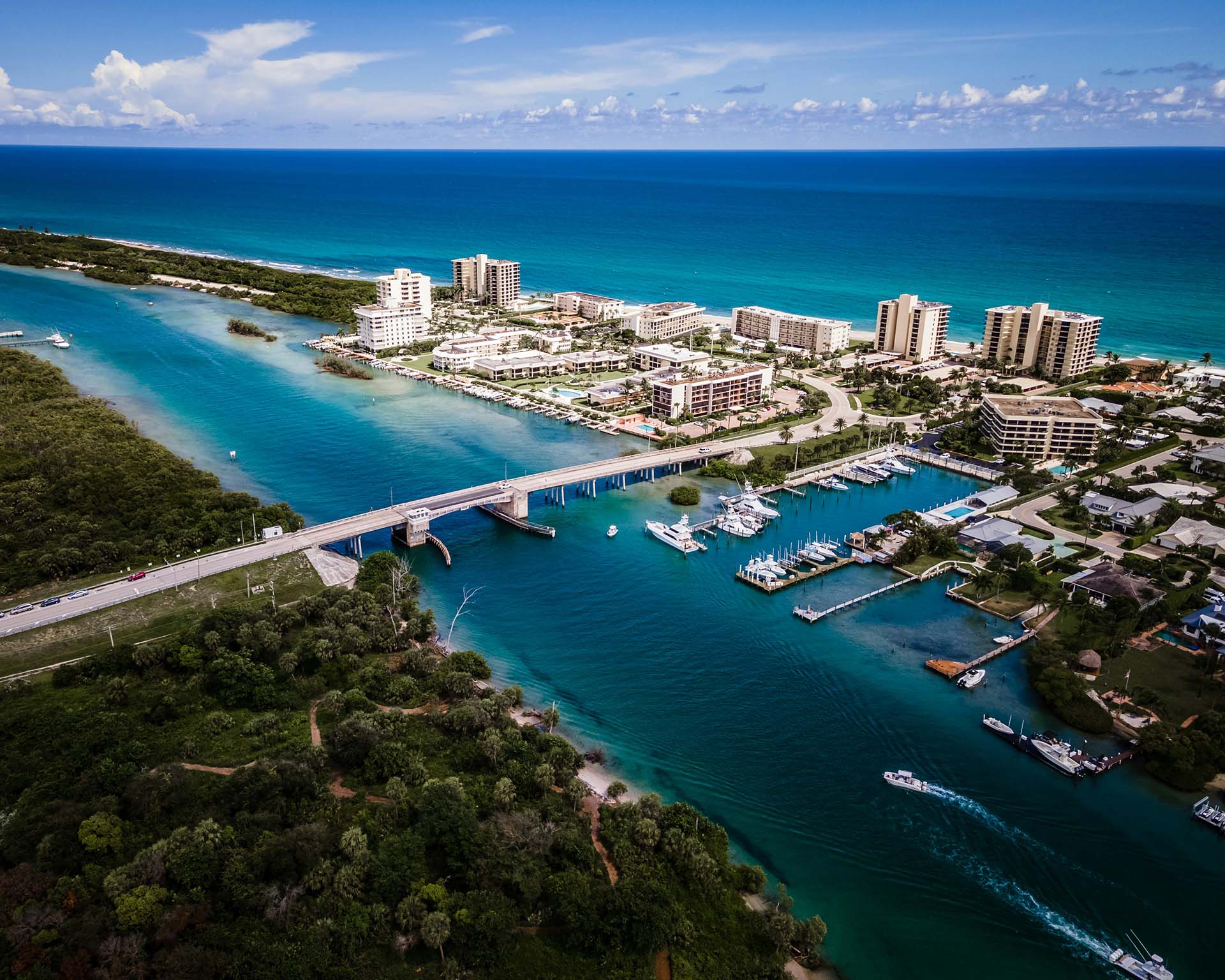
Step off the plane in Florida, and you'll immediately feel it. It’s a warm, enveloping embrace, like walking into a giant, tropical greenhouse. This is the legendary Florida humidity at work.
The air feels thick and moist, making even a short stroll an adventure in perspiration. Your hair might gain a mind of its own, and iced drinks never stay iced for long. It’s a heat that gets right into your bones.
But don’t let that scare you! This humidity is also what makes Florida so lush and green. It feeds the palm trees and keeps the beaches feeling wonderfully tropical, even when it’s scorching.
The sudden, dramatic afternoon thunderstorms are a classic Florida spectacle. They roll in fast, dump buckets of rain, and then clear out, leaving everything glistening and temporarily refreshed. It’s nature’s way of hitting the reset button.
People in Florida become masters of cooling strategies. Think air conditioning on blast, endless trips to the beach, and pools that feel like a second home. The ocean itself feels like a warm bath on a hot summer day.
Imagine the joy of a cool splash after battling the sun on a white sand beach. That feeling is pure Florida summer magic. It’s a different kind of heat, one that makes you appreciate every breeze and every glass of ice water.

The air can feel so heavy, almost tangible. You can practically taste the moisture. Yet, this very quality gives Florida its unique, vibrant character, full of life and a constant, balmy warmth.
Even at night, the warmth lingers, creating those perfect balmy evenings for outdoor dining or a moonlit stroll along the coast. It’s an endless summer, truly, with its own unique challenges and charms.
The Lone Star's Lick: Texas's Dry Blaze
Now, let's mosey on over to Texas. Here, the heat tells a different story. It’s often described as a dry heat, a relentless, oven-like blast that can feel like the sun itself is just inches away.
When you step outside in Texas, especially in the western or central parts, the sun can feel incredibly intense. It’s a heat that sears rather than smothers. You might not feel the stickiness, but you’ll definitely feel the burn.
The vast, open landscapes of Texas seem to amplify the sun's power. There's less shade, and the ground itself can radiate heat back at you. It’s a truly formidable force of nature.
Folks in Texas know a thing or two about staying hydrated. Water bottles are practically an extension of the arm. Cold sweet tea and lemonade become vital survival tools in the summer months.
The Texas heat can bake everything, from the asphalt roads to the dusty plains. You might even hear the expression, "It's hot enough to fry an egg on the sidewalk," and in Texas, it often feels like it just might be true!

Air conditioning is a revered invention here, running almost non-stop from late spring through early fall. Texans find refuge in cooled interiors, making every trip to the grocery store a mini-vacation.
Outdoor activities shift to early mornings or late evenings to avoid the fiercest midday sun. Football games, a true Texan passion, are often played under the bright stadium lights to beat the daytime blaze.
Despite the intensity, there's a certain rugged beauty to the Texas heat. It’s part of the state's character, a testament to its wide-open spaces and the resilience of its people. It forges a unique bond among those who endure it.
The wind can even feel hot as it blows across the land, like a giant hairdryer. This dryness means sweat evaporates quickly, but it also means you can get dehydrated faster if you’re not careful.
The Great Debate: Why We Love to Argue
So, which is hotter? The truth is, it's not a simple answer, and that's precisely what makes the debate so much fun! It’s less about scientific data and more about personal experience and deep-seated state loyalty.
Someone who grew up in Florida might scoff at Texas's dry heat, finding it bearable compared to the sticky, oppressive humidity they know. "At least it's a dry heat!" they might exclaim, rolling their eyes.
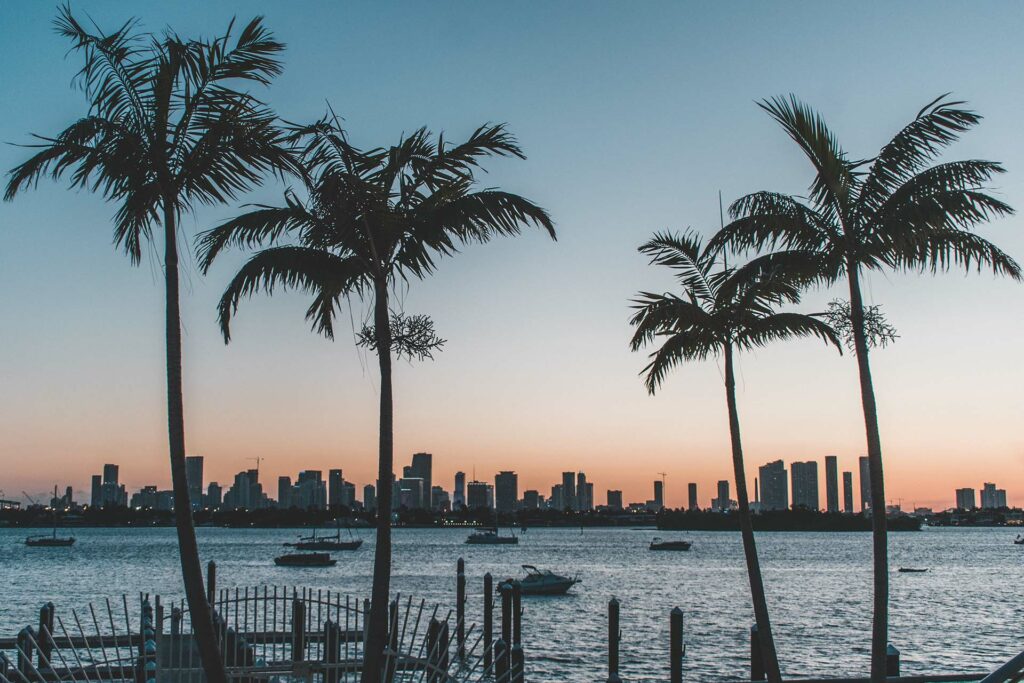
Conversely, a Texan might visit Florida and feel utterly suffocated by the humidity, longing for the familiar, if intense, clarity of their home state's sunshine. "I can't breathe in this!" they might declare.
It’s a hilarious and endless back-and-forth, often spiced with exaggerated tales of melting shoes or sweat running in rivers. Each side firmly believes their heat is the ultimate challenge.
This friendly rivalry creates fantastic conversations. It's a way for people to share their identity, their resilience, and their humorous coping mechanisms. Everyone has a story about the summer heat.
The entertainment comes from the passion. It’s not just a weather report; it's a badge of honor. "We survive the hottest heat!" is the unspoken motto of both states, just with different definitions of "hottest."
"It's not just hot, it's Florida hot!" or "You haven't seen heat until you've felt Texas hot!" These are common battle cries.
This debate makes you curious. What does each feel like? How different can heat truly be? It encourages travelers to experience both for themselves and form their own well-seasoned opinions.
Beyond the Thermometer: A Cultural Touchstone
This isn't just about temperature readings; it's about the very fabric of life in these states. The heat influences architecture, fashion, food, and even how people structure their days.
In Florida, you see homes designed for breezes, with big windows and outdoor living spaces. Light, breathable fabrics are key to comfort. The constant presence of water—beaches, lakes, pools—is no accident.
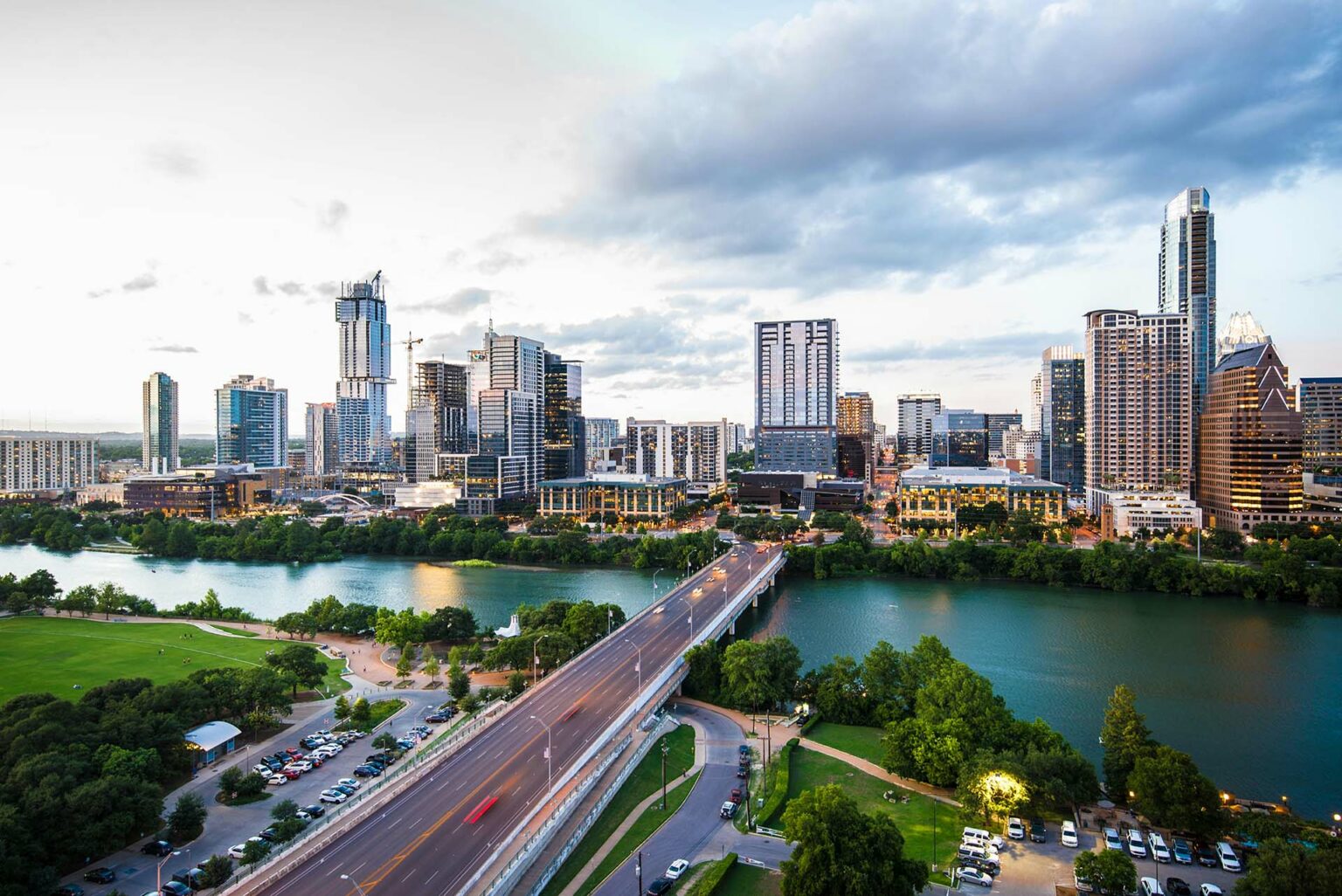
In Texas, you find sprawling ranches with deep porches, and hats are not just fashion but a vital shield from the sun. Hearty, spicy foods are common, somehow making the heat feel a little less oppressive.
The heat shapes the pace of life. Summer afternoons often involve indoor activities or a siesta, emerging only when the sun begins to dip. This shared experience creates a unique sense of community.
It's something locals commiserate over, bond over, and ultimately, take immense pride in. Surviving the summer heat in either state is a testament to one's fortitude and adaptability.
So, the next time you hear someone debating Florida versus Texas heat, don't just dismiss it as small talk. Listen closely, because you're witnessing a fascinating cultural exchange.
It’s a chance to learn about different microclimates and the truly diverse ways a single concept like "heat" can manifest. And it might just make you want to book a trip to experience both!
Perhaps you’ll find yourself pondering the humidity levels in Orlando or the dry intensity of a Dallas summer. Which one will you declare the champion of heat?
There's no wrong answer, only fantastic stories and a deeper appreciation for the unique climates that make our country so diverse. The fun is in the journey, and the debate itself.